Hoarding Scene Cleanup: Costs & Insurance
What hoarding scene cleanup costs, how to compare estimates, and how insurance usually works. Coverage depends on your policy, so ask your insurer early.
This category breaks down what drives the price of a hoarding cleanup and how insurance may or may not help. You will read about the labor of careful sorting compared with hauling everything out. You will learn how biohazard finds and animal waste add special handling. You will see why disposal fees vary with the kinds of material leaving the home. You will also see why pest treatment, mold checks, and repairs are often priced apart. Posts also explain how plans done in stages can spread the work over time when one large project is not realistic for the household.
Get an email reply about hoarding scene cleanup
Send a short message to the follow-up inbox. A coordinator can reply by email. This form does not send emergency help; call 911 first if anyone is in danger.
Insurance articles explain why hoarding alone is often treated as an upkeep problem, not a sudden covered event. They also explain where exceptions sometimes come up, such as a fire, a burst pipe, or a death in the home. You will find help with reading a policy and recording conditions with respect. You will also learn to ask a company for an itemized estimate that an adjuster can follow. The goal is to help you plan with realistic expectations.

What Drives Hoarding Scene Cleanup Cost?
How much there is, how slowly it is sorted, hidden waste, pests and hauling all shape what a hoarding cleanup costs. Learn how to read an estimate and plan the work in phases.
The cost depends mostly on how much material there is and how carefully it must be sorted with the person who lives there. It also depends on what hazards are hidden underneath, how much of it is regulated waste, and how many trips it takes to haul everything away. Access, pests, mold and repairs add more. Ask for a written room-by-room estimate, and plan the work in phases you can afford.
Does Homeowners Insurance Cover Hoarding Scene Cleanup?
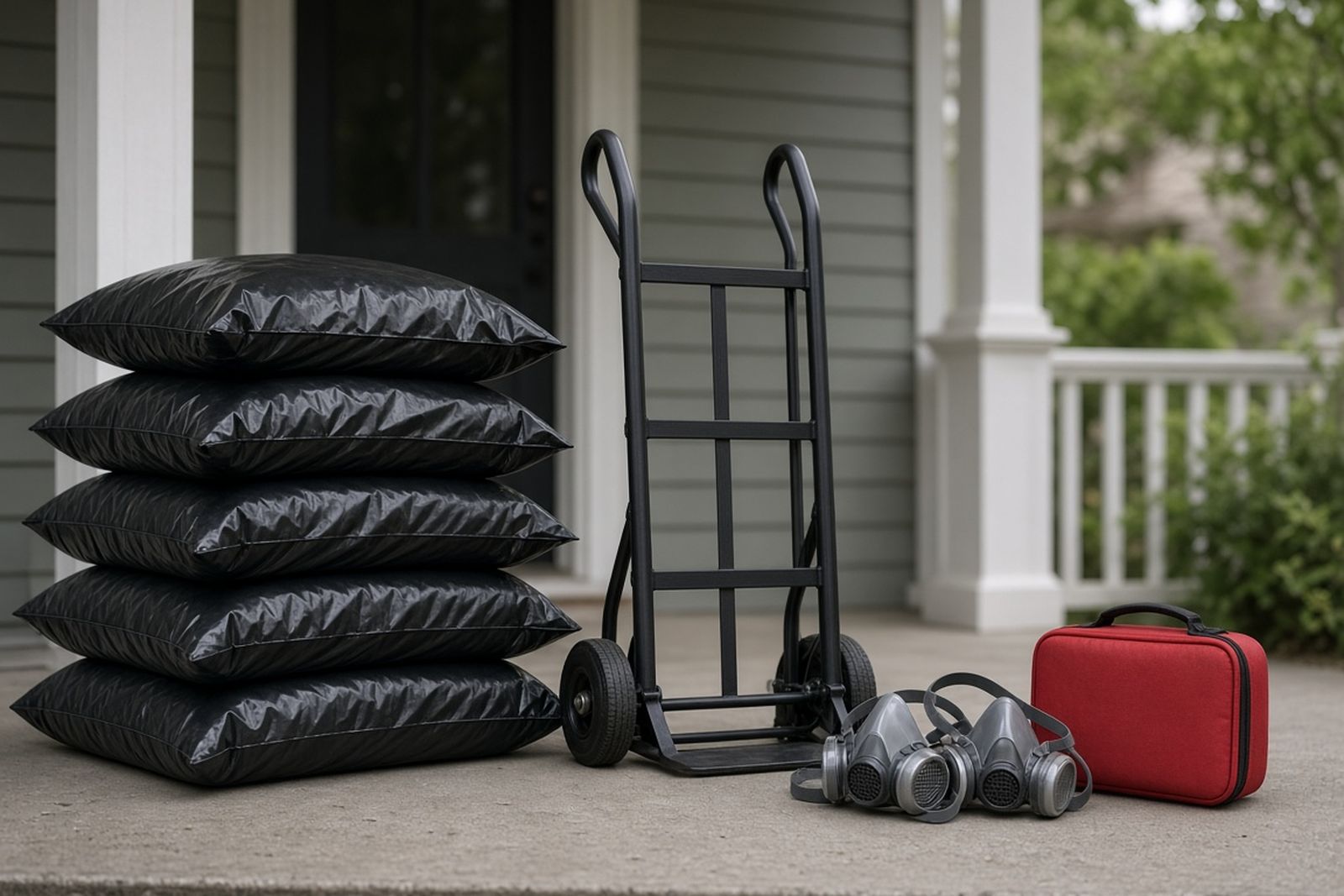
Home insurance rarely pays just to clear clutter. But a fire, a burst pipe or another sudden event inside a cluttered home can change what your insurer will look at.
Usually not for the clearing itself. Homeowners policies are built for sudden, accidental losses. A slow buildup of belongings, waste or pests usually falls under exclusions for neglect or poor upkeep. Coverage becomes possible when a covered event, such as a fire or a burst pipe, damages the home. Ask your insurer in writing which parts of the work it will review.
How to Compare Low and High Hoarding Scene Cleanup Bids
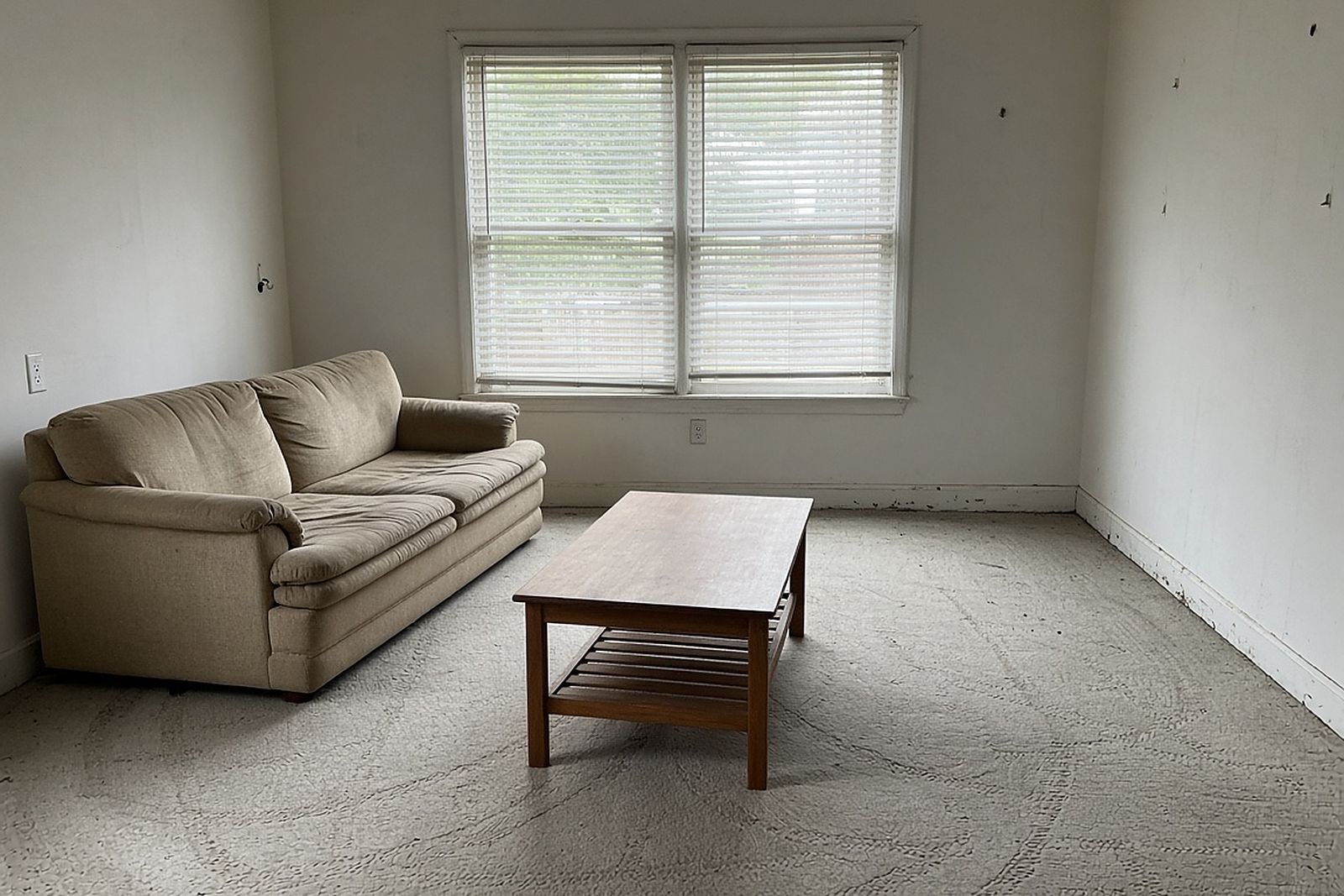
Two hoarding cleanup quotes can describe two very different jobs. Compare sorting, volume, cleaning, hazards, hauling and crew size, so you know a low price is not just a smaller job.
Compare bids by what each one really includes. Look at how your belongings will be sorted and saved, and how the company estimated the volume and the dumpsters. Check whether cleaning and odor treatment follow the clear-out. Ask how needles and animal waste are handled, how big the crew is, how long it will take, and what insurance the company has. A low bid that only hauls debris is a different service from one that clears, cleans and protects valuables.
Facts worth knowing
In one online survey of 864 people who hoard, 8 to 12% had been evicted or threatened with eviction because of it.
Why it matters: If you rent, hoarding may put your housing at risk, so starting cleanup before a landlord notice arrives may help.
Employers must offer the hepatitis B vaccine within 10 working days of putting an employee in a job with exposure to blood.
Why it matters: Before asking your own employees to clean up blood, check whether this duty and other OSHA rules apply to you.
Claims professionals say standard home insurance policies have exclusions for neglect, failing to protect property and poor upkeep that can complicate hoarding-related claims.
Why it matters: Read your policy's exclusions and ask your insurer before you assume damage in a hoarded home will be covered.
Source: CLM Magazine (Claims and Litigation Management Alliance), 2011
Costs & Insurance: common questions
Why do estimates for similar homes vary so much?
Two homes with the same square footage can differ widely in volume, hazards, access, and how much sorting the occupant wants to do. One may need careful review of every box, while another has mostly obvious debris. Stairs, elevators, parking distance, and disposal site rules also affect labor. Ask each company to explain the assumptions behind their number so you compare like with like.
Can social service programs help pay for a hoarding cleanup?
Some communities offer help through aging services, programs that help people stay housed, mental health agencies, or nonprofits focused on hoarding. What is available varies widely. It often depends on age, income, or whether the person rents. Cost articles describe the kinds of programs that exist. They suggest calling your local area agency on aging or a social worker to learn what is offered where the person lives.
Does a renter's policy ever help with hoarding cleanup?
Renter's insurance usually protects the tenant's belongings and legal risk. It rarely pays for clutter removal itself. If a covered event, such as a fire or water leak, damaged the tenant's things, part of the cleanup tied to that event might be considered. Read the policy wording and talk with the insurer before you assume either result.
Is it possible to get a fixed price for a hoarding cleanup?
Some companies offer fixed prices for defined scopes, such as specific rooms or phases, especially after a thorough walkthrough. Because conditions can change as clutter is removed, fixed prices usually include terms for unexpected findings. Read those terms carefully. A fixed price for a clear, limited scope can be easier to plan around than an open-ended estimate.
How can family members document shared contributions fairly?
Agree in writing on how costs will be shared before work starts, and keep all invoices and receipts in one shared file. Record who paid what and when. If one person is managing payments, give others access to the records. Clear documentation prevents misunderstandings later, particularly if the home is part of an estate or sale.
Can the cost of the cleanup be recovered if the home is sold?
If the home is being sold, cleanup costs may be paid from sale proceeds, depending on who owns the property and any agreements among owners or heirs. An estate representative or attorney can explain how this works in your situation. Keep detailed records of all costs so they can be accounted for properly at closing.
Why might a company's estimate differ from what insurance will pay?
Insurers usually pay only for damage caused by a covered event. The company's estimate often includes sorting, decluttering, and other work that is not covered. The insurer may also value covered work differently. Ask the company to list covered and non-covered items apart in the estimate. Talk about any gaps with the adjuster before work begins.
Related community polls
Vote to see how other people answered. You can change your answer at any time.
If a relative's home had become unsafe, what would be your first step?
How much control should the occupant keep over what leaves the home?
More on hoarding scene cleanup
Hoarding Scene Cleanup services
Learn how a first look at the home, sorting with consent, biohazard handling, and deep cleaning fit together in a step-by-step plan.
Costs explained
What drives the price, published cost ranges, and how to read a written quote line by line.
Insurance and payment
Which policies may respond, how to document a claim, and what to do if coverage is denied.
Planning tools
Use planners made for families and caseworkers. Sort out costs, questions for companies, insurance steps, first-day actions, waste types, and DIY risk.
Community polls
See how relatives, landlords, people who hoard, and professionals think about consent, pace, and agency help. Compare your own gut feelings with theirs.
Knowledge quiz
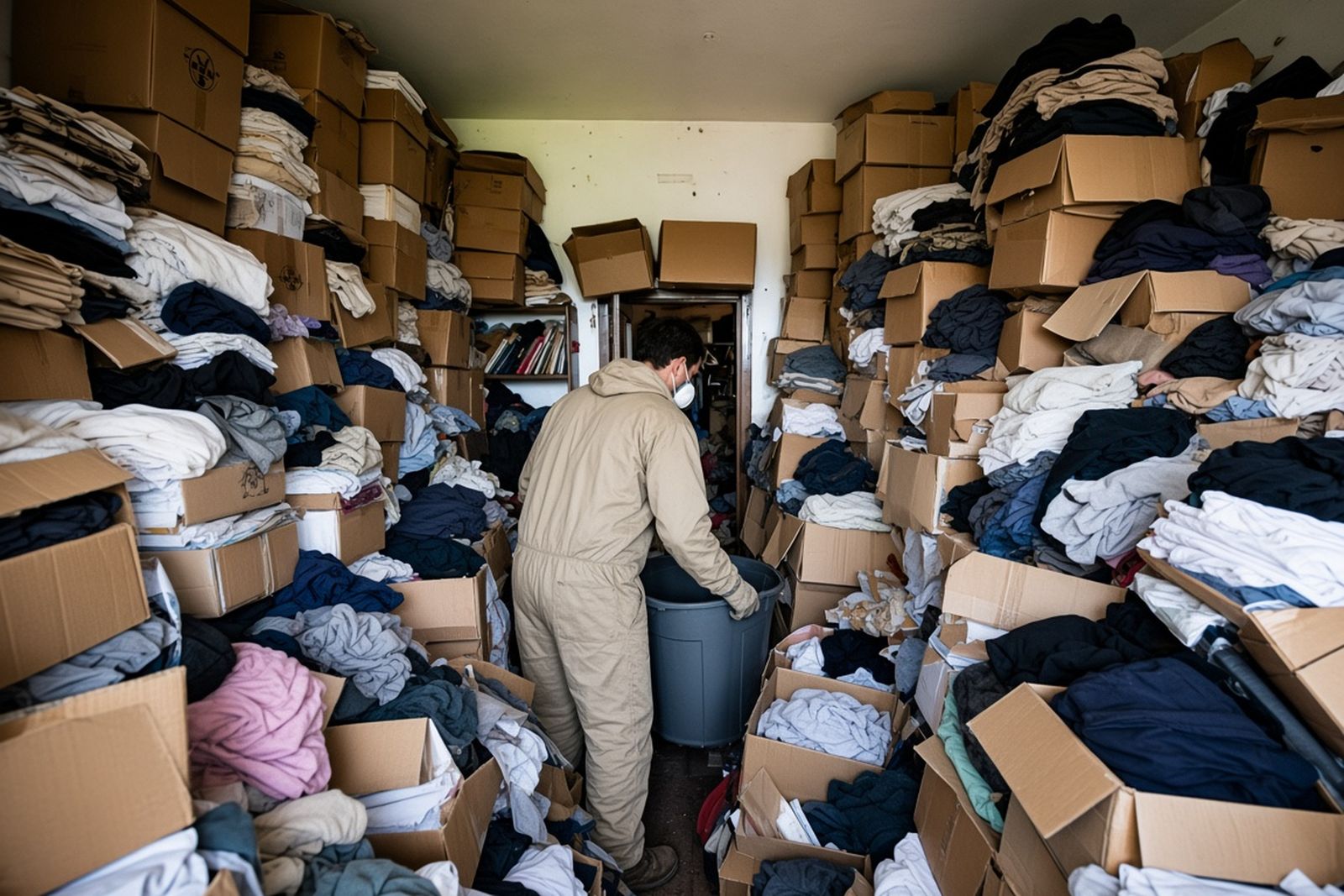
Check what you know about hidden hazards, who can decide, dust control, cleaning and killing germs, waste, and records before you start to help.
City guides
Find companies near you who know hoarding cases. Before you hire anyone, check their training, insurance, and way of working yourself.