Hoarding Cleanup Cost: What Shapes the Price and Pace
Why volume, hazards, and the person's pace shape a hoarding budget
Hoarding cleanup quotes can vary more than almost any other kind of cleanup. No two homes hold the same amount of stuff, the same hazards, or the same history. The pace the person living there can handle matters as much as square footage. This guide explains what you pay for and what widens the price range. It also shows how to compare proposals while keeping the person at the center.
Get an email reply about hoarding scene cleanup
Send a short message to the follow-up inbox. A coordinator can reply by email. This form does not send emergency help; call 911 first if anyone is in danger.
What published figures say about cost
- 16x response cost
Only 40% of hoarding fires were contained to the room of origin versus about 90% of average residential fires, with damages 8 times and response costs 16 times higher.
Read with care: Larger hoarding fires were more likely to be identified, which may inflate the multiples.
Source: Worcester Polytechnic Institute / Metropolitan Fire Brigade (Lucini, Monk & Szlatenyi) (2009)Melbourne Metropolitan Fire Brigade incident data
- 8–12%
Eight to 12% of surveyed hoarders had been evicted or threatened with eviction because of hoarding.
Read with care: Self-report; rates in tenant populations may be higher.
Source: Psychiatry Research (Tolin et al.) (2008)864 self-identified hoarders, internet survey
- 4–5% prevalence cited
Claims professionals note standard homeowners policies contain exclusions for neglect, failure to protect property and improper maintenance that can complicate hoarding-related claims.
Read with care: Industry commentary, not a statistical study; the 4–5% prevalence it cites is higher than the 2.5% meta-analysis.
Source: CLM Magazine (Claims and Litigation Management Alliance) (2011)US property claims practice
- $4,000
Biohazard cleanup nationally averages about $4,000, with a typical range of $3,000 to $5,000 and extremes from $1,500 to $25,000, per Fixr's January 2025 guide.
Read with care: Fixr figures are editorial cost estimates compiled from contractor and industry data, not a statistical survey of completed jobs; local prices vary widely.
Source: Fixr (2025)United States, residential biohazard cleanup, estimates as of January 2025
- 34,625
Federal OSHA conducted 34,625 inspections in fiscal 2024, split between 17,455 unprogrammed and 17,170 programmed inspections.
Read with care: Excludes inspections by the 22 state plans covering private employers.
Source: OSHA (2024)United States federal OSHA, FY2024
- 1,814
Eye and Face Protection (1926.102) drew 1,814 OSHA citations in fiscal 2024, ninth on the most-cited list.
Read with care: Construction-standard citation; general industry PPE cited separately.
Source: OSHA (via Safety+Health) (2024)United States federal OSHA citations, FY2024
These figures are public research and agency data, not this network's own job records. Keep each number with its population, year and limits; none of them predicts cost, timing or outcome at a specific property.
What goes into the price of a hoarding cleanup?
Sorting labor is usually the biggest cost. Crews work room by room with the person who lives there or a family member they have approved. Together they decide what stays, what gets donated, what gets thrown out, and what needs special handling. This is slow on purpose. Rushing can harm trust. It can also lead to lost papers, medicines, keepsakes, or cash tucked between papers. Many providers price this work by crew hours, not by room.
Beyond sorting, quotes usually include dumpsters or haul-away loads, dump fees, and protective gear. They also include separate handling for regulated waste, like needles or badly soiled items. After clearing, crews clean and disinfect the surfaces they uncover and deal with odors. They may also arrange pest control or a mold check. Repairs are often priced as a later phase. That includes flooring, walls, plumbing, or fixtures found damaged during the work. They can be priced once the true condition of the home is visible.
- Crew hours for sorting and packing with the person's consent
- Dumpsters, haul-away loads, and dump or transfer fees
- Separate handling of needles, human or animal waste, and spoiled food
- Deep cleaning, disinfecting, and odor control of uncovered surfaces
- Pest treatment and moisture or mold checks where needed
- Repairs once the structure can be inspected
Which conditions push the range higher or lower?
The amount of stuff is the obvious factor. That means how many rooms are affected and how high the items reach. Hidden hazards under the clutter are less obvious but just as important. Animal or human waste, rotting food, pests, and leaks nobody noticed for years all add cost. They call for more protection, special cleaning, and disposal. A home with several animals can need far more sanitizing than a home filled mostly with paper and clothes.
Access matters too. Narrow stairs, upper-floor apartments with no elevator, long walks to the truck, and limits on where a dumpster can go all slow the work. Deadlines matter as well. A landlord or code officer may set a firm deadline. Then a provider may add crew members to meet it. That raises daily costs even if the total amount of stuff stays the same. A flexible schedule usually allows a smaller crew and more careful sorting.
Why can hoarding conditions raise the stakes so much?
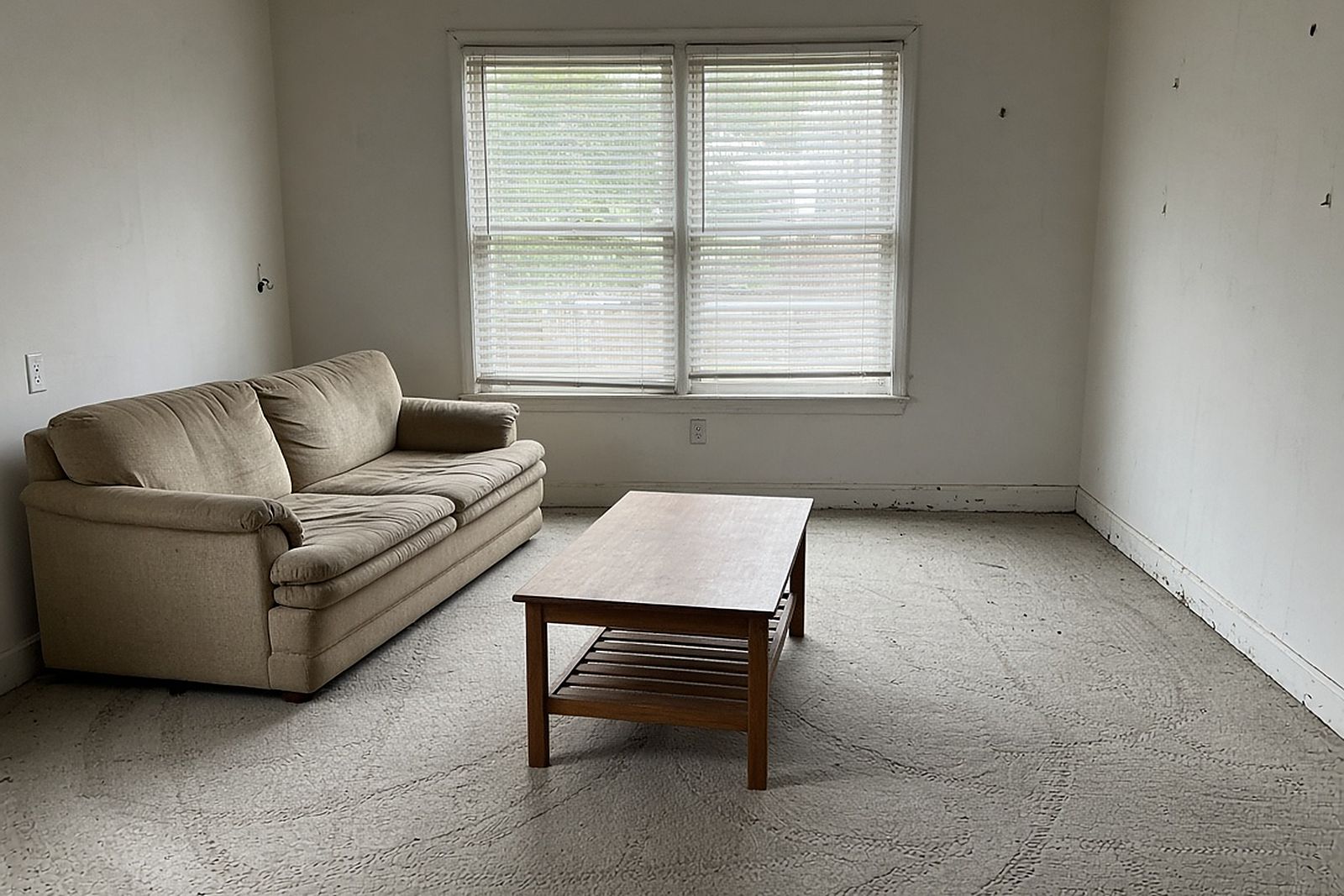
Dense clutter changes how fast problems grow inside a home. Blocked vents trap moisture. Stacked paper feeds fire. Hidden leaks spread without anyone noticing. Research on fires shows how big that risk can be. Worcester Polytechnic Institute and the Metropolitan Fire Brigade did a study, published in 2009 by Lucini, Monk and Szlatenyi. It found that hoarding fires caused 8 times the damage of average home fires. Response costs were 16 times higher.
That finding does not predict what will happen in any one home. But it helps explain why many providers take fire-safety steps early. They clear exits and move things away from heaters and stoves. Dealing with these risks first can prevent a far more costly and dangerous situation. It is often the most practical way to spend the first part of a limited budget.
How do you compare itemized hoarding cleanup quotes?
Ask each provider to walk through the whole home before quoting, not to guess from photos or a phone call. Then check whether the quote explains how sorting will work. It should say who will be there to make decisions and how items being kept will be protected. Look for separate lines for general trash and for regulated waste. Mixing them can cause legal and safety problems later.
Compare how each company handles the unknown. A good quote states its assumptions, like the number of rooms or truckloads. It explains how changes will be priced if more waste or damage turns up. It should also describe how clean the home will be after clearing. It should say whether pest or mold work is included and whether the crew delivers donations. When two totals differ, the reason is almost always in these assumptions, not the hourly rate.
Which hidden costs surprise families most often?
Surprises in the structure are the most common. Once floors and walls can be seen, crews may find rotted subfloor, damaged plumbing, electrical hazards, or roof leaks hidden for years. Those repairs are rarely in the first cleanup quote. They may need to come before cosmetic work. Set aside extra money for repairs, or plan a separate phase once the home can be seen. That eases stress when these finds happen.
Other costs people miss include storage units for items the person wants to keep and a place to stay during heavy work. There may be new appliances, vet care for animals, and ongoing support after the cleanup. Without follow-up help, clutter may come back. That help might be therapy, peer support, or regular check-ins. A second cleanup costs families both money and trust. Budgeting for ongoing support is often a wise investment, not an extra.
Who typically pays for hoarding cleanup?
Often, the person or their family pays directly. They may use savings, family help, or a payment plan with the provider. When the person rents, the landlord may handle cleanup and repairs tied to the building. The landlord may then seek repayment under the lease, though approaches differ widely. When the person has died, the estate usually pays before the property is sold or passed to heirs.
Some communities offer help through area agencies on aging, adult protective services, hoarding task forces, or mental health programs. This is more common for older adults or people with disabilities. Insurance rarely pays to clear clutter itself. It may pay for a sudden covered event found during the work. Rules vary by state and county. Check with the local authority. Asking local social service agencies early can turn up options many families do not know about.
How might a real project unfold step by step?
Imagine a family helping an older parent whose multi-bedroom house has become hard to move through. The first quote offers to clear everything in a few days with a large crew and several dumpsters. The second offers a plan in phases. It clears exits and the kitchen first. Then it sorts one room at a time with the parent there. It has separate handling for expired medicines, a few needles, and a bathroom hurt by a long-running leak.
The phased plan takes longer. It includes a line for subfloor repair in the bathroom. But the parent stays involved, important papers are found, and the family can spread costs over several months. The fast plan looks cheaper at first. But it leaves little room for decisions and does not fix the leak. Weighing the approach, not just the total, helps the family pick a plan the parent can truly live with.
Estimate your range
Hoarding Scene Cleanup cost range estimator
Educational only. Real pricing needs an on-site assessment and a written scope. Insurance coverage is decided by your carrier, not by this tool.
Educational range: $3,000 – $5,000
Scaled from a published reference range (typical biohazard cleanup project, national) reported by Fixr (2025). Your region, provider and the actual findings on site can move the real number outside this range.
Cost level: Mid range.
None of the big cost multipliers are selected. Minimum service charges, travel and waste fees still apply.
Ask every quote to itemize labor, containment, product, waste disposal, verification sampling, and any rebuild, and to state what is excluded.
Open the full tool page for a worked example and more answers.
Costs questions about hoarding scene cleanup
Is hoarding cleanup usually priced by the hour or by the job?
Both are used. Some providers quote a fixed price after a detailed walk-through. That gives budget certainty but may include a cushion for unknowns. Others bill by crew hour plus disposal. That can cost less when sorting goes smoothly, but it is harder to predict. Ask each provider which method it uses and what assumptions are built in. Ask how changes will be handled if the job shifts.
Can the occupant stay in the home during cleanup?
Sometimes, especially for projects done in phases where one area is cleared at a time. Staying can help the person stay involved in decisions, which often leads to better results. But if there is a lot of biohazard, mold, pests, or damage to the structure, moving out for a while may be safer. The provider should explain the risks honestly. The plan should reflect the person's health and wishes as much as possible.
Do donated items reduce the cost?
They can lower dump fees, because items that go to charity or recycling do not fill dumpsters. Some providers include donation drop-offs in their price. Others charge extra for the time. Donating also tends to feel better for many people than throwing things away. That can make the process go more smoothly. Ask how donations are handled and whether you get receipts for tax records.
What makes a quote suspiciously low?
A very low quote may leave out regulated waste handling, cleaning after clearing, or protection for workers. It may assume a fast trash-out with no sorting. That can mean lost valuables and distress for the person who lives there. Ask what is left out and how hazards will be handled. Ask whether the company carries liability and workers' compensation coverage. A thorough, open quote is usually worth more than the lowest price.
Is it cheaper for family members to do the work?
Family members can save money on sorting and hauling that is not hazardous. Their help can also mean a lot to everyone. But hidden hazards like needles, animal waste, mold, and weak floors can be real risks without the right gear. Many families mix the two. They handle low-risk rooms themselves and hire professionals for the hazardous areas. Talk with a provider about which tasks make sense to take on.
Will cleanup costs be lower if we act sooner?
Often, yes. Conditions tend to get worse over time as leaks spread, pests multiply, and materials break down. Acting early can limit damage to the home. It can also cut down on badly contaminated items. Still, rushing someone who is not ready can backfire. Balancing timely action with respect for the person's pace usually gives the best long-term result.
Should we plan for follow-up visits after the main cleanup?
It is often wise. Regular upkeep visits help keep pathways clear. They catch small problems before they grow. Some providers offer scheduled check-ins at a lower rate. Some community programs give ongoing support. Pairing those visits with counseling or peer support makes it much more likely the home stays safe after the main work is done.
What other visitors said
Every count is a real visitor vote; nothing is seeded or padded. One vote per poll per device, and you can change your answer.
If a relative's home had become unsafe, what would be your first step?
How much control should the occupant keep over what leaves the home?
More on hoarding scene cleanup
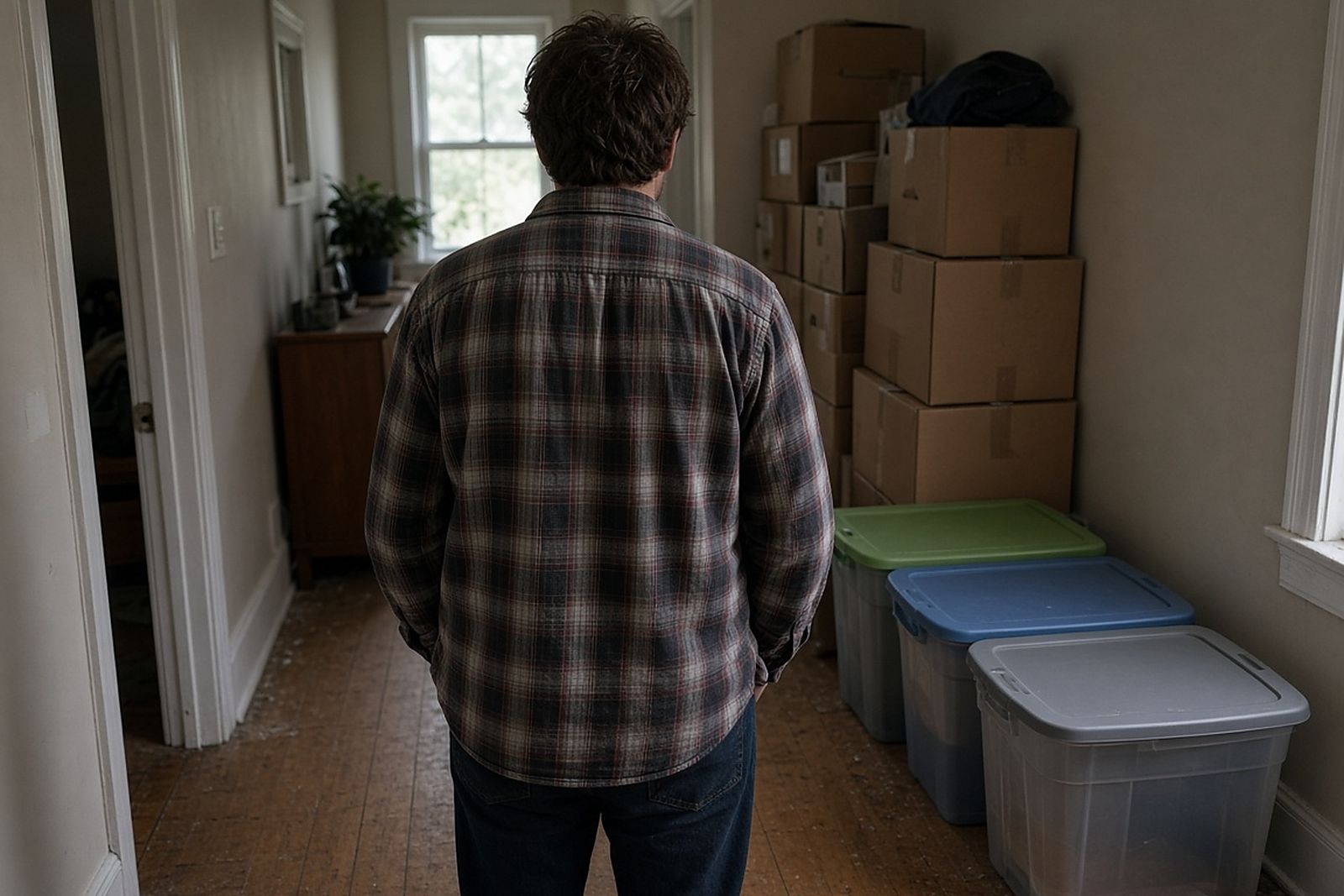
Hoarding Scene Cleanup services
Learn how a first look at the home, sorting with consent, biohazard handling, and deep cleaning fit together in a step-by-step plan.
Insurance and payment
Which policies may respond, how to document a claim, and what to do if coverage is denied.
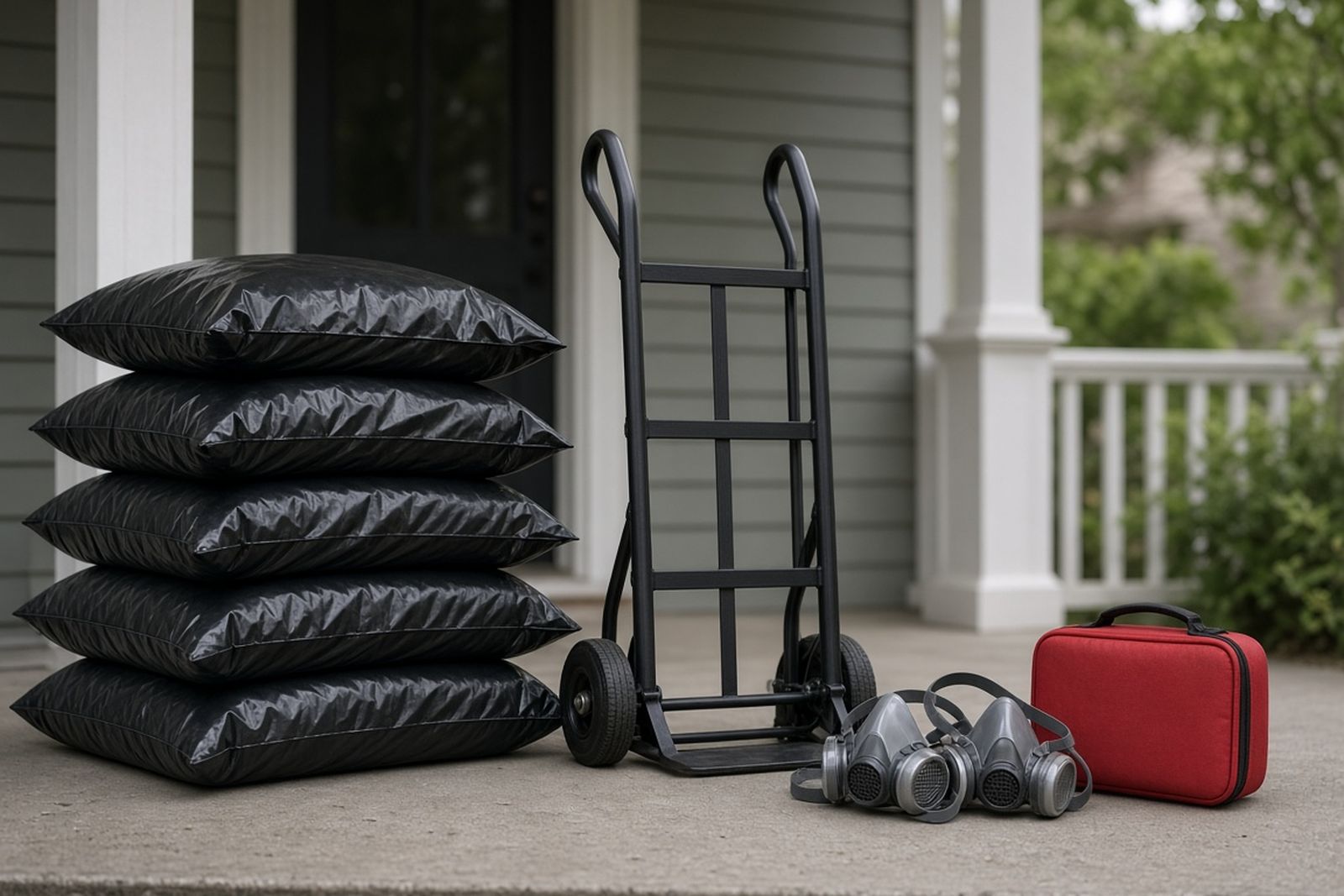
Planning tools
Use planners made for families and caseworkers. Sort out costs, questions for providers, insurance steps, first-day actions, waste types, and DIY risk.
Community polls
See how relatives, landlords, people who hoard, and professionals think about consent, pace, and agency help. Compare your own gut feelings with theirs.
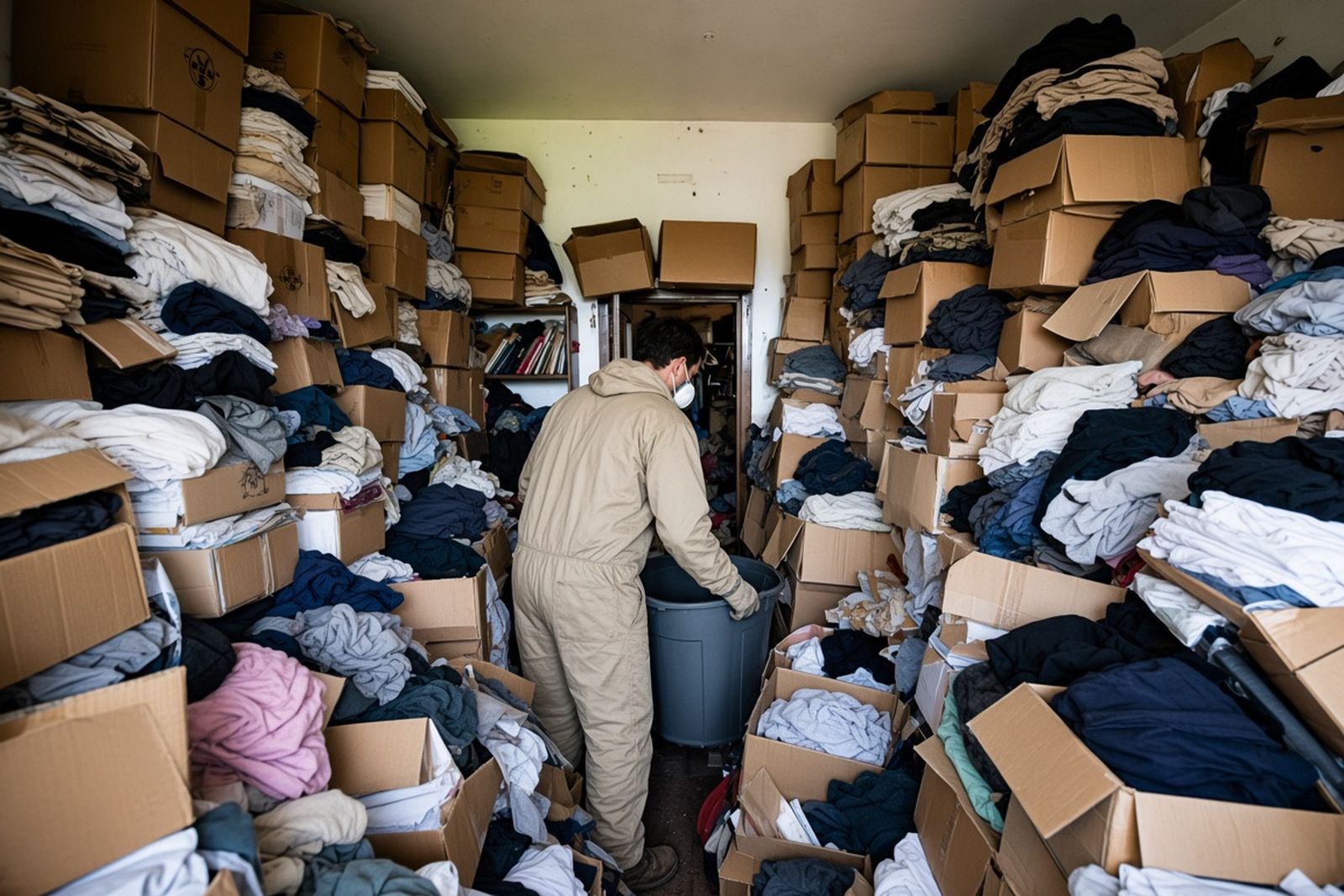
Knowledge quiz
Check what you know about hidden hazards, who can decide, dust control, cleaning and killing germs, waste, and records before you start to help.
Articles and resources
Read about helping a loved one, working with adult protective services, what landlords must do, and lessons from cleanups done in stages in real homes.
City guides
Find providers near you who know hoarding cases. Before you hire anyone, check their training, insurance, and way of working yourself.