Short answer
Ask who gets to decide what stays and how that is written down. Ask how the crew sets the pace, protects valuables and papers, and deals with needles, waste and pests. Then ask where things go, how the price and any changes are approved, what insurance the company carries, who will be on the crew and what help you get afterward.
Why these questions matter more than the price
Hiring a hoarding cleanup company is not like hiring movers or a junk hauler. The crew will handle the belongings of someone who may feel deep attachment and shame. The home may also hide hazards. How the job is done can build trust or damage it for years.
If you are helping someone you love through this, you may feel worn down before the work even starts. Choosing the right company can take some of that weight off your shoulders.
The ten questions below are grouped by theme. You can ask them on the phone, at the first visit or both. Write down the answers so you can compare companies side by side.
Whenever you can, include the person who lives in the home in these talks. If you are that person, your voice matters most. How comfortable the person feels with the crew is one of the best signs of how the work will go.
Questions 1 and 2: How do you get consent, and who makes decisions?
Ask how the company confirms who has the right to decide what stays and what goes. That is usually the person who lives there, when they own or rent the home and can make their own choices. A family member who is helping does not get that right automatically. If a guardian, a power of attorney or a court order is involved, ask how the company checks that paper. Ask how it records who signed off on the written work plan.
Then ask how consent is recorded. A good answer includes agreed sorting categories, written decisions for important items and a clear way to change the plan. Be careful with any company that calls the job a quick trash-out. Be just as careful if it offers to clear the home while your relative is away.
It is also worth asking what the crew does if the person changes their mind in the middle of a session. The right answer is that they pause, listen and adjust. They do not press on just to finish the day's quota.
Questions 3 and 4: How do you pace the work, and how do you protect valuables?
Pace shapes both how the work feels and what it costs. Ask how long sessions usually last. Ask how many decisions the crew expects the person to make, and how they handle breaks and hard moments.
A company with real hoarding cleanup experience will talk about working at the person's pace. It will start with safety basics such as exits, the kitchen and the bathroom. It will adjust when emotions run high. It should also be honest that slower work may cost more per room.
If you face a deadline from a landlord or code enforcement, say so. Ask how the company would put the most important tasks first to meet that date while still involving the person who lives there.
Finally, ask how the crew shares progress. A short summary after each session, sent to the person and to you as the family contact, keeps everyone informed. It also lowers the chance of mix-ups about what was kept, donated or thrown away.
Cluttered homes often hide cash, jewelry, checks, deeds, identification, medications, photographs and letters. Ask how crew members are trained to spot these items. Ask what they do when they find them.
Look for a habit of setting valuables and papers aside in one marked container. The crew should go through that container with the person who lives there, or whoever has the right to decide. No paper should be thrown out without at least a quick check. Some families ask for a running log of important finds.
Also ask about background checks and how crew members are supervised. You are trusting them with private spaces and personal things.
Keepsakes deserve their own talk. A box of old greeting cards may look like paper to a crew member and feel like a lifetime to its owner. Ask whether the crew will bring sentimental items to the person before anything is decided. That means photographs, letters, children's artwork and things that belonged to someone who has died. Ask, too, whether they can photograph an item before it is released. Some people find that makes letting go easier.
Questions 5 and 6: How do you handle hazards, and where do things go?
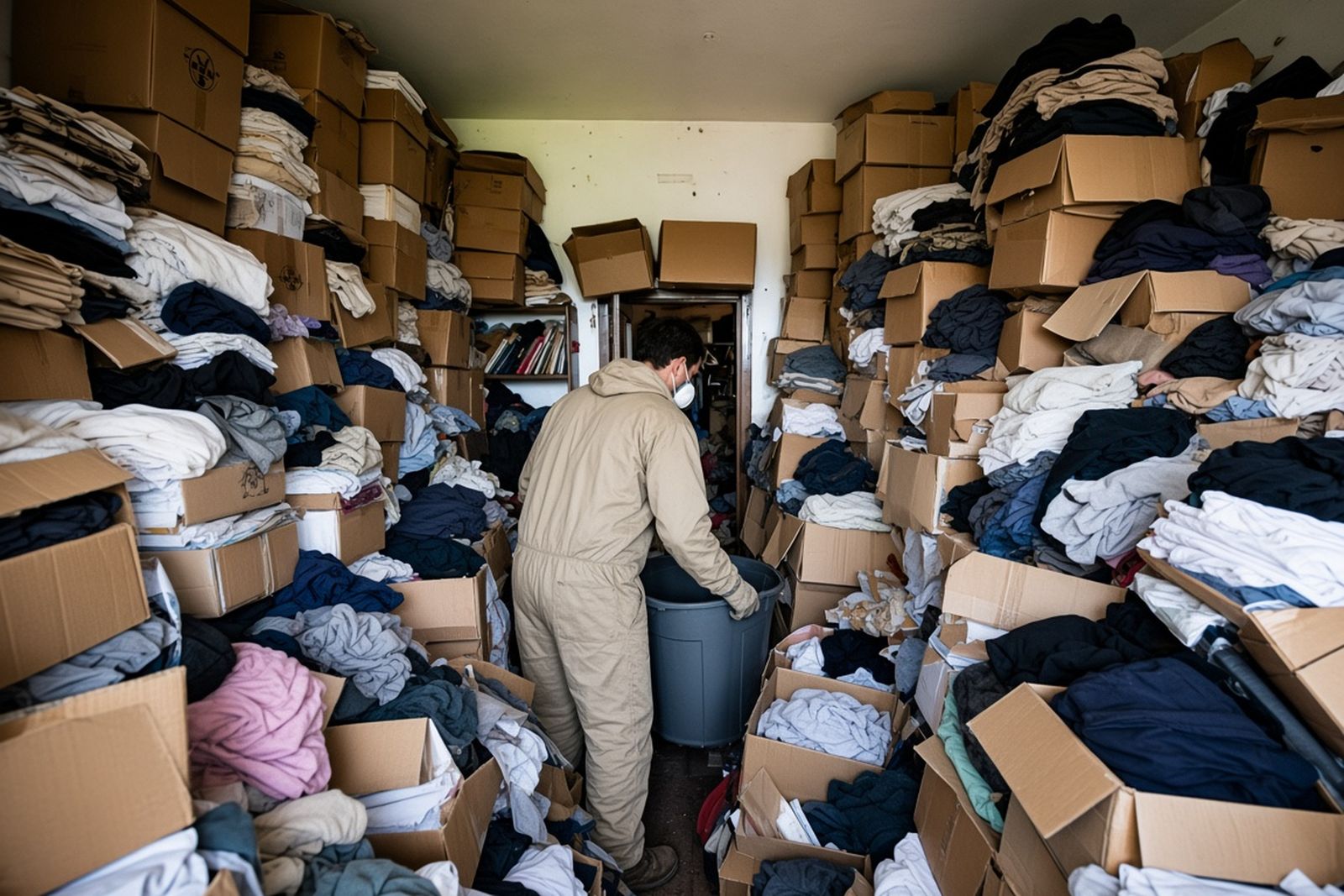
Homes with heavy clutter can hide animal and human waste, needles, spoiled food, mold, pests and damaged wiring. Ask what protective gear the crew wears. Ask how they package hazardous waste apart from household trash. Ask whether they bring in pest control, mold cleanup or electricians when your home needs them.
Then ask where things go after they leave the home. A thoughtful company will describe a separate path for each of the groups below.
- Items the person keeps, which are cleaned and put back in an agreed place.
- Donations to charities or community groups, with receipts for you when they are available.
- Recycling for paper, cardboard, metal and electronics where local programs accept them.
- Household hazardous waste, such as paint, chemicals and batteries, which goes through the proper local route.
- Regulated biohazard waste, such as needles and waste-soiled materials, which is handled according to local rules.
- Ordinary trash, which is taken to a transfer station or landfill.
Questions 7 and 8: How do you price the job, and what insurance do you carry?
Ask for a written, room-by-room estimate. It should have separate lines for labor, hauling and disposal, biohazard handling, pest control visits and deep cleaning. Ask what happens when the crew finds something that changes the plan. Insist that you approve any change in writing before work goes on.
Ask whether the company charges by the hour, by the room or by the load. Ask how cancellations work if the person needs to stop a session early. The way a company charges can quietly shape how much pressure the crew feels to move fast.
Ask for proof of general liability and workers' compensation insurance. Crew members may lift heavy items, climb over piles and handle needles. You do not want to be responsible if someone is hurt. Call the insurer named on the certificate to confirm the policy is active.
Questions 9 and 10: Who will be on the crew, and what happens afterward?
Ask who will actually come to the home and whether the same people will return for each session. Familiar faces help. A person who gets to know two or three crew members is often more at ease than one who meets strangers every day.
Then ask what support the company offers after the cleanup. Some offer upkeep visits. Some work with therapists or case managers, or can point you to local support groups. Without follow-up, many homes fill up again. A company that thinks about aftercare is thinking about the person, not just the job.
You can also ask whether crew members have had any training on hoarding as a mental health condition. You are not expecting clinicians. But a basic understanding shapes how they talk and act in the home.
Good calls, bad calls and red flags
The first phone call often tells you more than the estimate. Compare two answers to the same request. One company promises to clear the house in two days. It suggests doing the work while your relative stays with family, so they will not be upset. That offer treats the person who lives there as a problem to be worked around.
The other company asks to meet the person first. It explains its sorting categories and how it sets aside papers and valuables. It proposes a plan in phases that starts with the kitchen and bathroom. Its estimate may be higher and its timeline longer. It may offer a check-in visit after the work is done.
The difference is not the price. It is whether the company sees the person who lives there as the client. You can usually tell within the first few minutes of the call.
Some warning signs are worth taking seriously. Be careful if a company pushes to work while the person is away. Be careful if it will not put consent or pricing in writing, or treats the job as a single dumpster haul. Walk away if it mocks or shames the person, or cannot explain how it handles needles and biohazard waste.
Trust your instincts, and trust your relative's reaction too. If they feel disrespected at the first meeting, that feeling is likely to grow once work begins. If they talk about feeling hopeless or about ending their life at any point, you can call or text the 988 Suicide and Crisis Lifeline for guidance.