Hoarding Scene Cleanup: Health & Wellness
Privacy, decision-load, trauma-aware communication, and verified support resources for people managing hoarding scene cleanup. Educational remediation content is not mental-health treatment.
Health and wellness posts cover the physical and emotional side of a hoarding cleanup for everyone involved. They do not assume how anyone feels. The person who lives there may feel relief, grief, anger, embarrassment, or a mix that changes by the hour. Relatives may carry years of worry or frustration into the process. Articles in this category share ways to take breaks, talk about belongings without judgment, and notice when a talk needs a pause. You will also find advice on sleep, drinking water, and rest during long sorting days.
Get an email reply about hoarding scene cleanup
Send a short message to the follow-up inbox. A coordinator can reply by email. This form does not send emergency help; call 911 first if anyone is in danger.
The physical side matters too. Dust, droppings, and odors can aggravate asthma and allergies, and hours of lifting and bending take a toll on bodies that are not used to it. Posts describe simple ways to protect your health during and after the work, and they suggest when to check in with a doctor. Other pieces explore counseling and peer support that can help the occupant maintain a safer home going forward.
Managing Stress and Disruption During Hoarding Scene Cleanup
Grief, guilt, family conflict and deadlines: how residents, relatives and landlords can manage the emotional strain and disruption of a hoarding cleanup.
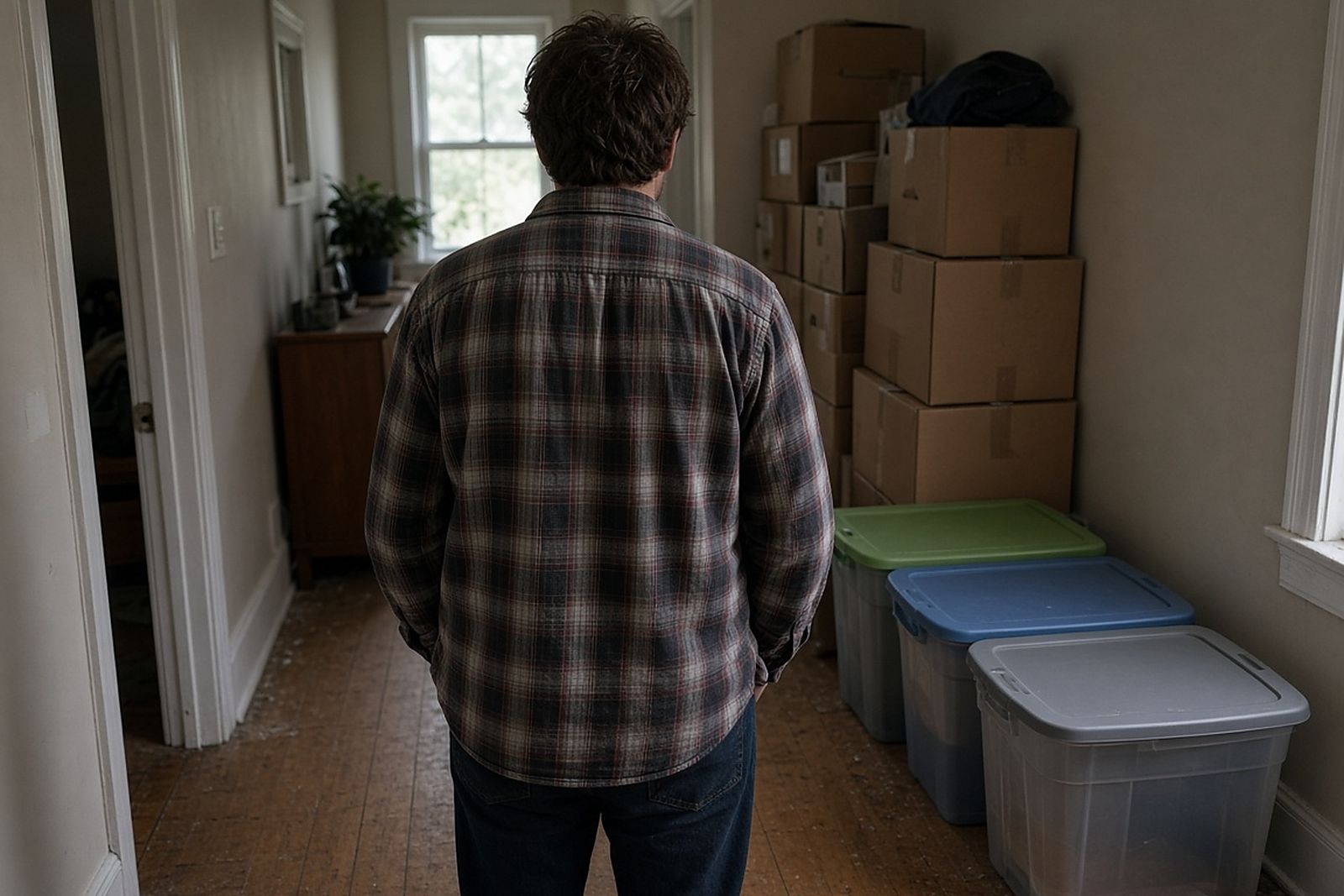
Hoarding cleanup is emotionally hard for everyone involved. The resident may feel loss, fear and shame; relatives often feel frustration, guilt and stigma; landlords face pressure and uncertainty. You can reduce the strain by pacing the work, keeping the resident involved in decisions, agreeing on rules before sorting starts, sharing one plan, planning for the days after, and bringing in mental health support early.
Mental Health Resources During Hoarding Scene Cleanup
Where residents, relatives and caregivers can find support before, during and after a hoarding cleanup, from therapists and peer groups to crisis lines.
Support during a hoarding cleanup works best when it starts before sorting begins and continues afterward. The resident may benefit from a therapist experienced with hoarding, peer-led groups or a case manager. Relatives and caregivers need support too. If anyone is in crisis or thinking about suicide, call or text 988 to reach the 988 Suicide and Crisis Lifeline right away.
Sourced figures on health & wellness
- 0.85%
A meta-analysis of 85,681 English households over 13 years estimated the point prevalence of domestic squalor at 0.85%, with rentals and lower-income homes at higher risk.
Read with care: Squalor overlaps with but is not identical to hoarding disorder; UK data.
Source: BMC Public Health (2024)English Housing Survey data
- 471 complaints in 5 years
Of 88 Massachusetts health officers serving 1.79 million people, 64% had received at least one hoarding complaint in five years, totaling 471 complaints.
Read with care: Complaint counts capture only cases that reached authorities.
Source: Health & Social Care in the Community (Frost, Steketee & Williams) (2000)Massachusetts local boards of health
- 26%
Only 26% of hoarding households in the Melbourne fire study had a working smoke alarm.
Read with care: Small incident sample.
Source: Worcester Polytechnic Institute / Metropolitan Fire Brigade (Lucini, Monk & Szlatenyi) (2009)48 hoarding fire incidents, Melbourne
These figures are public research and agency data, not this network's own job records. Keep each number with its population, year and limits; none of them predicts cost, timing or outcome at a specific property.
What research has found
Findings from published studies of people and properties in situations like this one. They describe what researchers observed in a specific group; they are not predictions for your case.
Insensitive organisational interactions worsened adjustment.
Stakeholders supported coordinated multi-agency responses.
Health & Wellness: common questions
How can I support the occupant emotionally during sorting?
Let the person lead decisions about personal items whenever it is safe, acknowledge what an object means to them, and avoid comments about the condition of the home. Short work periods with planned breaks can help. Some families invite a trusted friend or therapist to be present. Wellness posts share practical phrases that keep conversations focused on safety and choice.
Is it normal for family helpers to feel exhausted afterward?
Many people say they feel drained after helping with a hoarding cleanup, in body and in mind. But experiences differ widely. Long days, hard talks, and old family memories can all come up. It makes sense to allow time to rest and to talk with someone outside the situation. Seek support if the feelings last. Wellness articles explore these steps further.
Where can the occupant find ongoing support after the cleanup?
Options include therapists trained in methods for hoarding, local or online support groups, aging services, and community mental health programs. A family doctor can often make referrals. Ongoing support tends to matter more than the cleanup itself for long-term safety. Wellness posts describe how families can encourage it without making it a condition of their help.
How can the occupant maintain routines during a cleanup?
Plan work around the occupant's regular meals, medications, rest, and activities as much as possible. Keep essential items like glasses, phone, and medications in a consistent, accessible spot. Protect one comfortable area where they can take breaks. Maintaining familiar routines can reduce stress and help the person feel more in control during a disruptive time.
What are signs that a family helper is burning out?
Signs include trouble sleeping, irritability, dreading visits, physical exhaustion, withdrawing from other activities, or feeling resentful toward the occupant. If you notice these, it is time to step back, share the load, or seek support. A counselor, support group, or trusted friend can help. Caring for yourself makes it possible to keep helping.
Can a cleanup affect the occupant's physical health?
It can, in good ways and bad. Clearing hazards and improving air quality can support better health over time. During the work, stirred-up dust, mold, or allergens may bother breathing for a while. Physical effort or stress can affect people with health problems. Talk with the person's doctor about safety steps. Keep them away from the heaviest work.
How can celebrating progress help the occupant?
Recognizing achievements, such as a cleared kitchen table or a working bathroom, can build motivation and reduce feelings of loss. Keep celebrations simple and personal, like sharing a meal at the newly cleared table. Focus on what the change makes possible rather than on how much was removed. Positive moments help balance the difficult ones.
Related community polls
Every count is a real visitor vote; nothing is seeded or padded. One vote per poll per device, and you can change your answer.
If a relative's home had become unsafe, what would be your first step?
How much control should the occupant keep over what leaves the home?
More on hoarding scene cleanup
Hoarding Scene Cleanup services
Learn how a first look at the home, sorting with consent, biohazard handling, and deep cleaning fit together in a step-by-step plan.

Costs explained
What drives the price, published cost ranges, and how to read a written quote line by line.
Insurance and payment
Which policies may respond, how to document a claim, and what to do if coverage is denied.
Planning tools
Use planners made for families and caseworkers. Sort out costs, questions for providers, insurance steps, first-day actions, waste types, and DIY risk.
Community polls
See how relatives, landlords, people who hoard, and professionals think about consent, pace, and agency help. Compare your own gut feelings with theirs.
Knowledge quiz
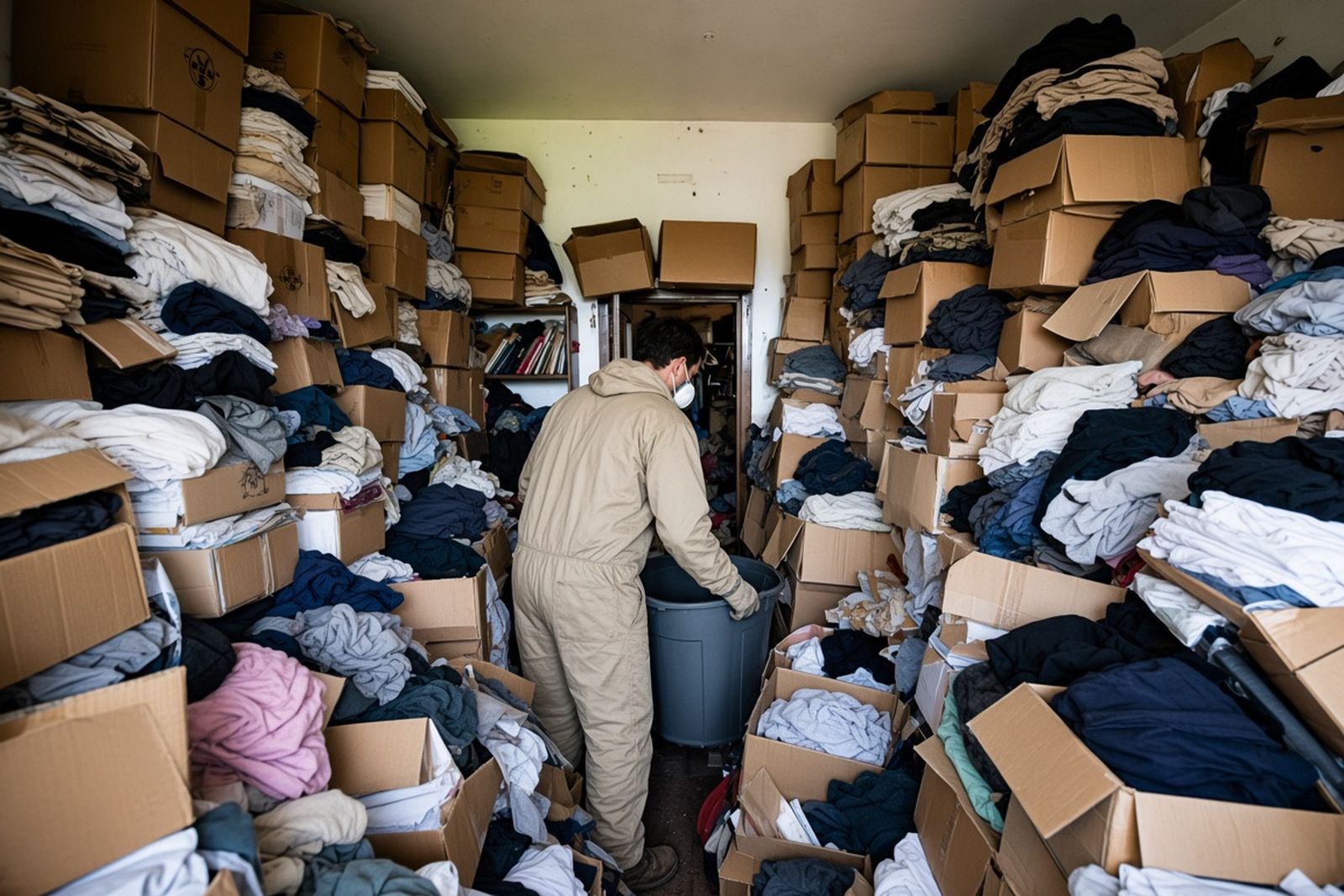
Check what you know about hidden hazards, who can decide, dust control, cleaning and killing germs, waste, and records before you start to help.
City guides
Find providers near you who know hoarding cases. Before you hire anyone, check their training, insurance, and way of working yourself.