Short answer
Compare hoarding cleanup bids by what each one actually includes. Look at how belongings will be sorted and preserved, how volume and dumpsters are estimated, whether sanitation and odor treatment follow the clear-out, how hazards like sharps and animal waste are handled, crew size and schedule, and insurance. A low bid that only hauls debris is a different service from one that clears, cleans and protects valuables.
Why are hoarding cleanup bids so hard to compare?
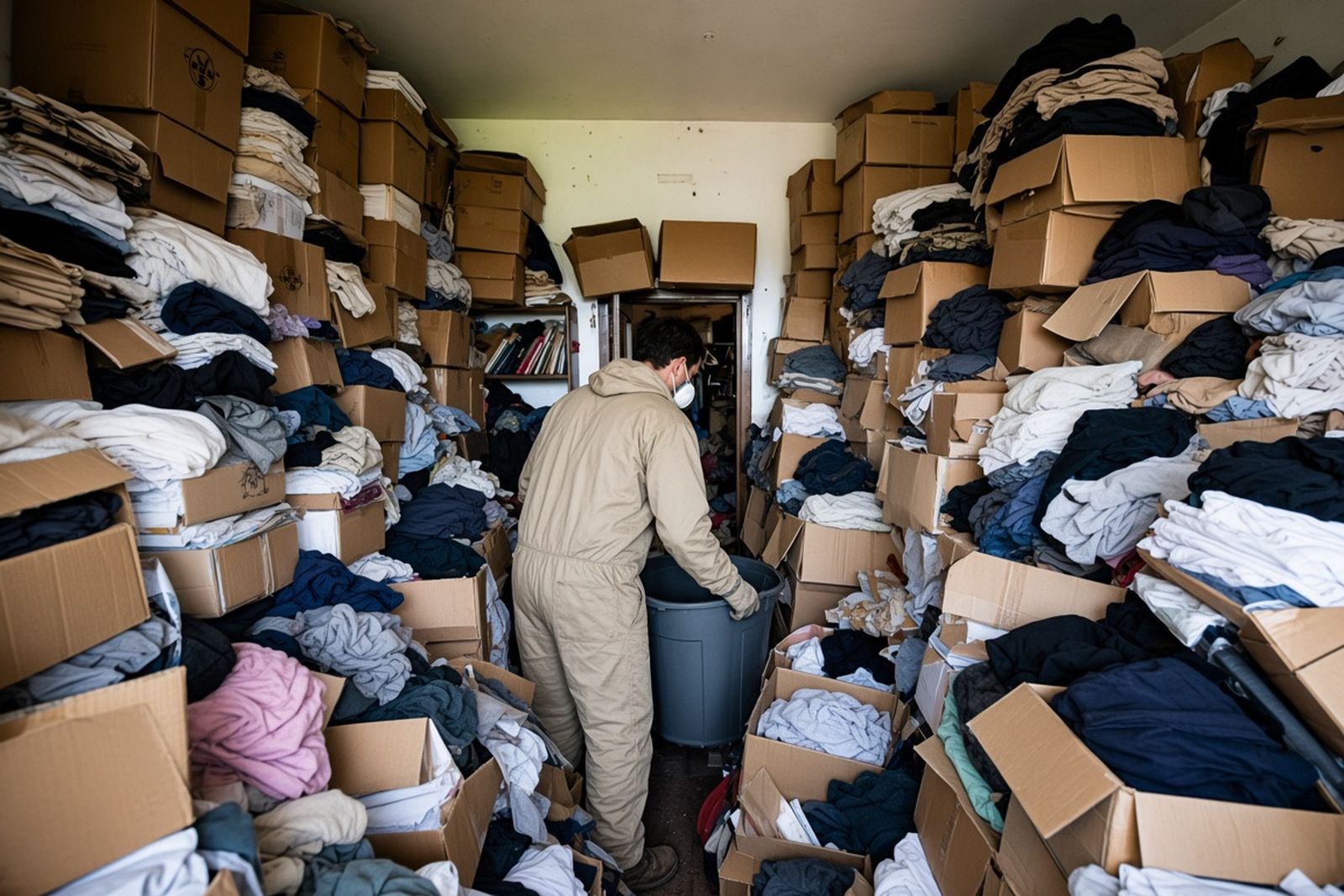
Hoarding cleanup can mean very different things to different companies. Some firms essentially provide junk removal: fill dumpsters as quickly as possible and leave. Others provide a sorted, supervised clear-out that preserves documents, photos and valuables, followed by cleaning, disinfection and odor treatment. Many offer something in between.
When you place a bid from each type side by side, the totals can look wildly different. That does not necessarily mean one is overcharging. It usually means each one is quoting a different job. The first step is to find out which job each bid describes.
Hoarding cleanup also carries emotional weight that affects cost. A crew that works alongside a family member, pauses to ask about items and respects decisions will take longer than one that clears everything without discussion. Neither approach is right for every family, but you should know which one you are paying for.
What each bid should include in writing
Ask every company for an itemized written scope. If a quote arrives as a single number, request more detail before comparing. The items below are where hoarding bids most often part ways.
- Sorting method: whether items will be reviewed for keepsakes, documents, cash, medications and valuables, and who makes decisions.
- Volume estimate: how the company estimated the amount of material, and how many dumpsters or truckloads are included.
- Hauling and disposal: dump fees, donation drop-offs, recycling and handling of hazardous household items.
- Hazard handling: sharps, animal waste, rodent droppings, mold and spoiled food.
- Cleaning after clear-out: sanitation, disinfection of bathrooms and kitchens, odor treatment and any flooring removal.
- Crew and schedule: number of technicians, days on site and whether a supervisor is present throughout.
- Exclusions: repairs, pest control, appliance removal or deep cleaning that may be billed separately.
How does the sorting approach change the price?
Sorting is often the biggest hidden difference between bids. A supervised sort means technicians handle items individually or in small groups, set aside anything that might matter and check with the family or the person who lives in the home. That takes time and trained staff.
A lower bid may assume a clear-out with minimal sorting. That can be appropriate if a family has already removed what they want, or if the contents are truly beyond saving. It is not appropriate if the home contains important papers, heirlooms or items the resident wants to keep.
Ask each company how it handles documents, photographs, cash, jewelry, firearms and medications. Ask what happens if a family member is unavailable when a decision is needed. A company with a clear protocol for these moments is likely including labor that another bid leaves out.
Also ask where set-aside items go. A good bid names a secure spot in the home, a labeled box system or a hand-off to a family member at the end of each day, so that a found envelope of cash or a box of photographs does not disappear into the general flow of bags headed for the dumpster.
Why the volume estimate matters
Disposal is a major cost in hoarding cleanup. Dumpster rentals, landfill fees and transportation add up quickly, and they scale with volume. A bid that underestimates volume may look attractive but grow once the crew discovers how much material is actually in the home.
Ask each company how it estimated volume. Did it walk every room, including closets, basements, attics and garages? Does the bid include a fixed number of dumpsters or truckloads, and what happens if more are needed? A bid with a clear per-load rate for extras is easier to compare than one that is silent on the question.
Some materials cost more to dispose of than ordinary debris. Paint, chemicals, electronics, tires and appliances with refrigerants may require special handling. Sharps and certain bodily fluid waste may fall under separate rules. Ask each bidder which items it expects to need special disposal in your area.
Is cleaning after the clear-out included?
Removing clutter often reveals conditions that were hidden underneath: stained and soaked flooring, animal waste, mold, pest damage and grime built up over years. Clearing a home without cleaning it may leave it unlivable.
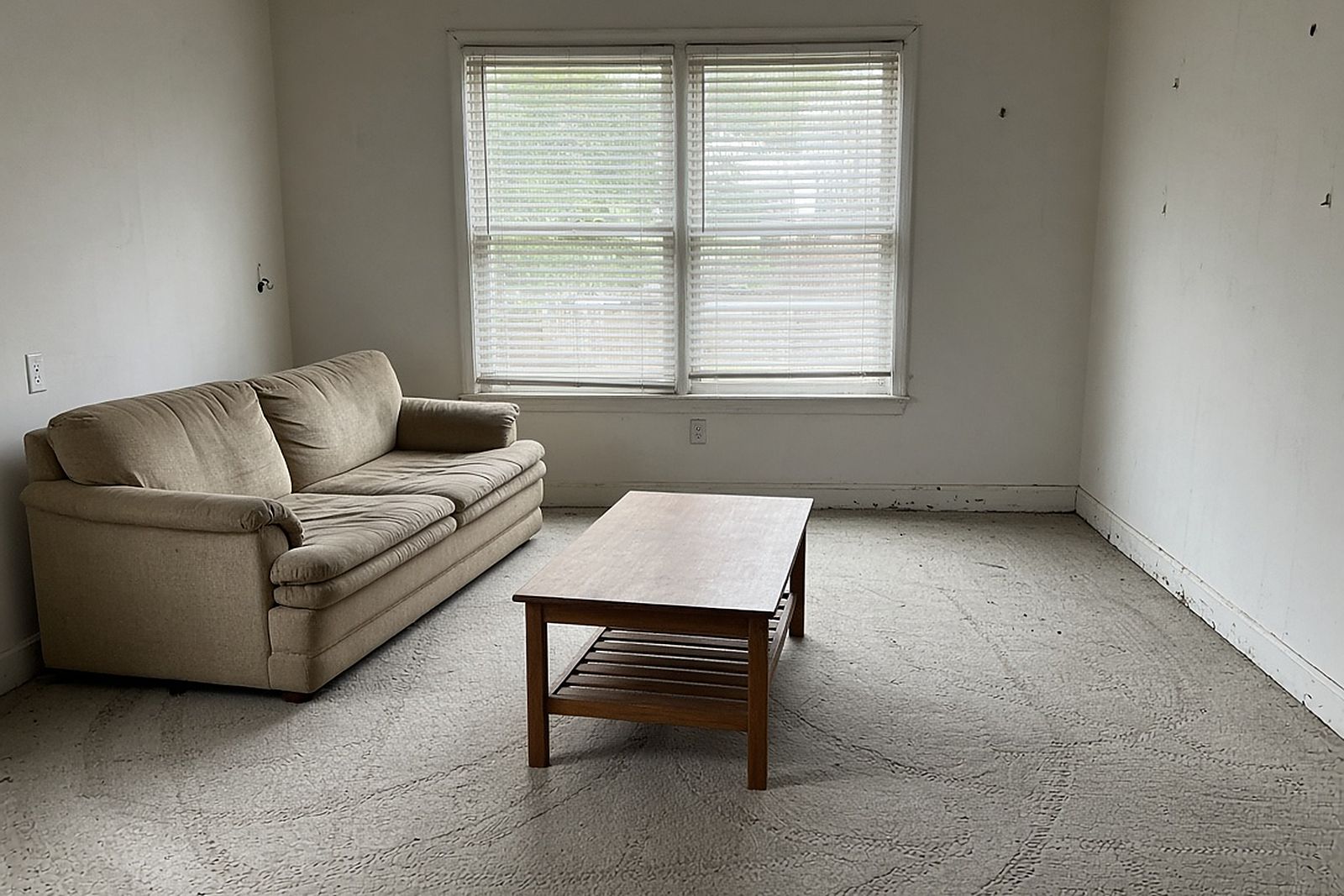
Higher bids often include sanitation and disinfection after the clear-out, especially in kitchens, bathrooms and areas used by animals. They may also include odor treatment and removal of carpet or pad that cannot be salvaged. Lower bids sometimes stop at an empty house.
Ask each company to describe what the home will look like when it finishes. "Broom clean" means something very different from "cleaned and disinfected with odor treatment." If one bid includes cleaning and another does not, ask the second company to quote that work so you are comparing the same outcome.
Hazards and safety explain part of the gap
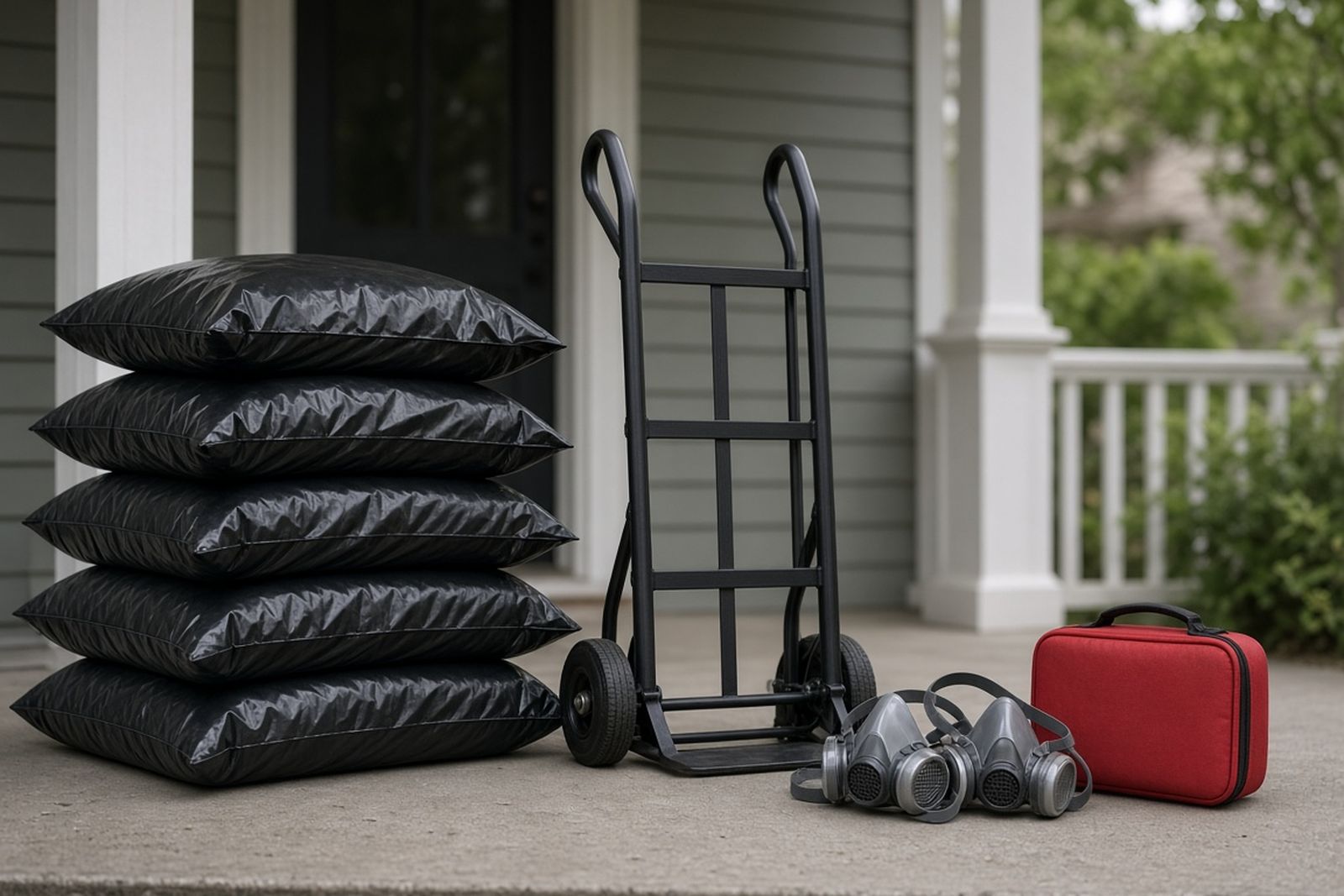
Hoarded homes may hide sharps, animal waste, rodent droppings, mold and structural damage. A company that plans for those hazards will budget for protective equipment, trained technicians and extra time, and those costs show up in the bid.
Ask each bidder how it handles needles, heavy animal contamination and rodent activity. Ask whether technicians wear respirators where needed and whether they have been trained for bloodborne pathogen exposure. Ask about workers' compensation insurance. A crew member injured by a hidden needle or a collapsing pile in an uninsured company's hands can create problems for the homeowner.
Insurance coverage for the cleanup itself is often limited. CLM Magazine noted in 2011 that claims professionals see standard homeowners policies containing exclusions for neglect, failure to protect property and improper maintenance that can complicate hoarding-related claims. Because you may be paying out of pocket, understanding exactly what each bid covers matters even more.
Three common bid tiers, side by side
Bids for the same home often fall into three rough tiers, and knowing them makes a stack of quotes easier to read.
The lowest tier typically lists dumpsters and a crew for a set number of days and says nothing about sorting or cleaning. A middle tier adds supervised sorting with a set-aside area for documents and valuables, more container capacity, sharps handling and a final broom sweep. The top tier includes all of that plus removal of soaked carpet, disinfection of the kitchen and bathroom, odor treatment and a final walkthrough with the family.
Ask the lowest bidder what happens to papers and photographs. If the answer is that the family must remove anything it wants before the crew arrives, consider honestly whether you can do that safely. Between the middle and top tiers, the real question is whether you need the cleaning phase now or plan to hire it separately.
A high bid can also include work you do not need. If the home will be renovated, paying the cleanup company to treat flooring that will be torn out anyway may not make sense. Reading scopes closely helps you avoid paying for too little and for too much.
When the resident still lives in the home
When the person who hoards is still living in the home, the cleanup process needs extra care. Forcing a rapid clear-out can cause distress and damage trust, and it may not last. Some companies work in shorter sessions, coordinate with therapists or case managers and let the resident participate in decisions.
A bid that plans for gradual, respectful work may cost more per day but lead to a more stable outcome.
Ask each company whether it has experience working with residents who are present, whether it coordinates with mental health professionals and how it handles disagreements about what stays and what goes.
A checklist for a fair comparison
Use these steps before choosing a company. The goal is to compare each bid against the same finished result.
- Get itemized written scopes from every bidder.
- Compare sorting methods and protocols for documents, valuables and medications.
- Compare volume estimates, dumpsters included and rates for extra loads.
- Confirm whether sanitation, disinfection and odor treatment are included.
- Ask how each company handles sharps, animal waste and mold.
- Confirm each company carries workers' compensation and liability coverage.
- Ask each bidder to price any missing items so totals describe the same job.
- Choose the scope that fits your family's needs, then compare price.