Short answer
Families can often handle light clutter themselves, especially when the resident is willing and there are no biohazards, pests or structural problems. Professional hoarding cleanup becomes the safer choice when there is animal or human waste, mold, sharps, pest infestations, blocked exits, damaged floors or an urgent legal deadline. Professionals also bring neutral distance that can protect family relationships during a difficult process.
Can your family clear a hoarded home without professional help?
Sometimes. Many families successfully help a parent, sibling or friend reduce clutter in a home that is crowded but otherwise safe. When belongings are mostly dry goods such as clothing, papers, books and household items, and the person living there wants help, a family-led effort can work well.
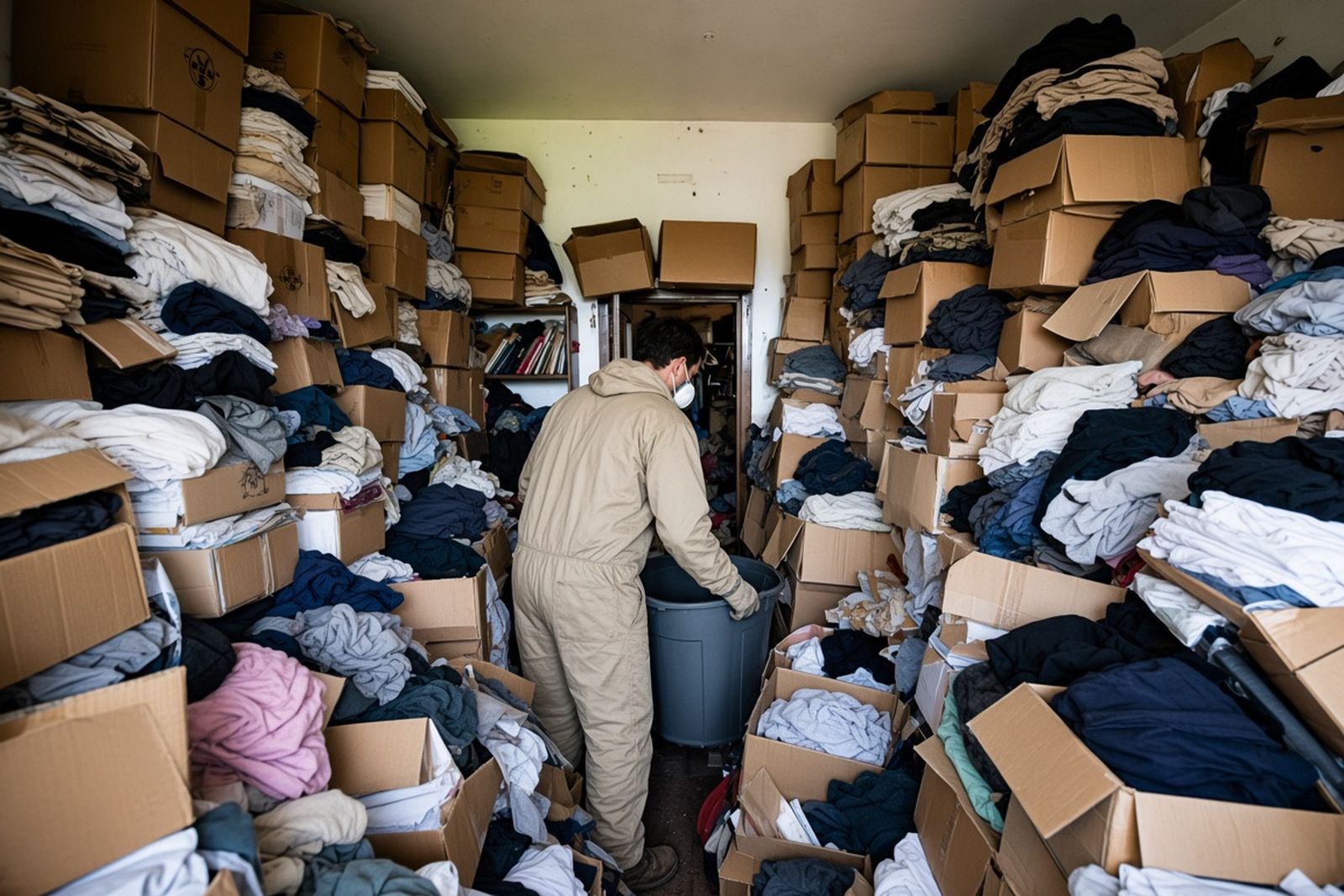
The picture changes when the home has progressed beyond clutter. Spoiled food, animal or human waste, mold, insect or rodent infestations, needles, blocked exits and sagging floors are hazards that ordinary work gloves and a rented truck do not address.
Deciding between DIY and professional help is not a judgment about how much you care. It is a practical decision about safety, time, emotional strain and what the person at the center of it needs.
Consent matters more than people expect. A cleanup done without the resident's agreement, even with the best intentions, can feel like a violation and may damage trust for years. Unless there is an urgent safety or legal reason to act, the resident's willingness is usually the first thing to establish, before any decision about who does the work.
Signs a home is beyond a family cleanup
Walk through the home, or look at photographs, with these questions in mind. If any of them apply, a professional assessment is worth arranging before anyone starts moving piles.
- There is visible or suspected human or animal waste, or a strong ammonia odor.
- Food has spoiled, and there are flies, maggots, cockroaches or signs of rodents.
- Walls, ceilings or stored items show mold growth or long-term water damage.
- You have found, or suspect there may be, needles or other sharps.
- Floors feel soft, sag or bounce, or ceilings below show cracks or stains.
- Exits, windows, stairs or the electrical panel are blocked.
- Toilets, sinks or the heating system do not work.
- A landlord, code enforcement officer or court has set a deadline.
What professionals bring that families usually do not
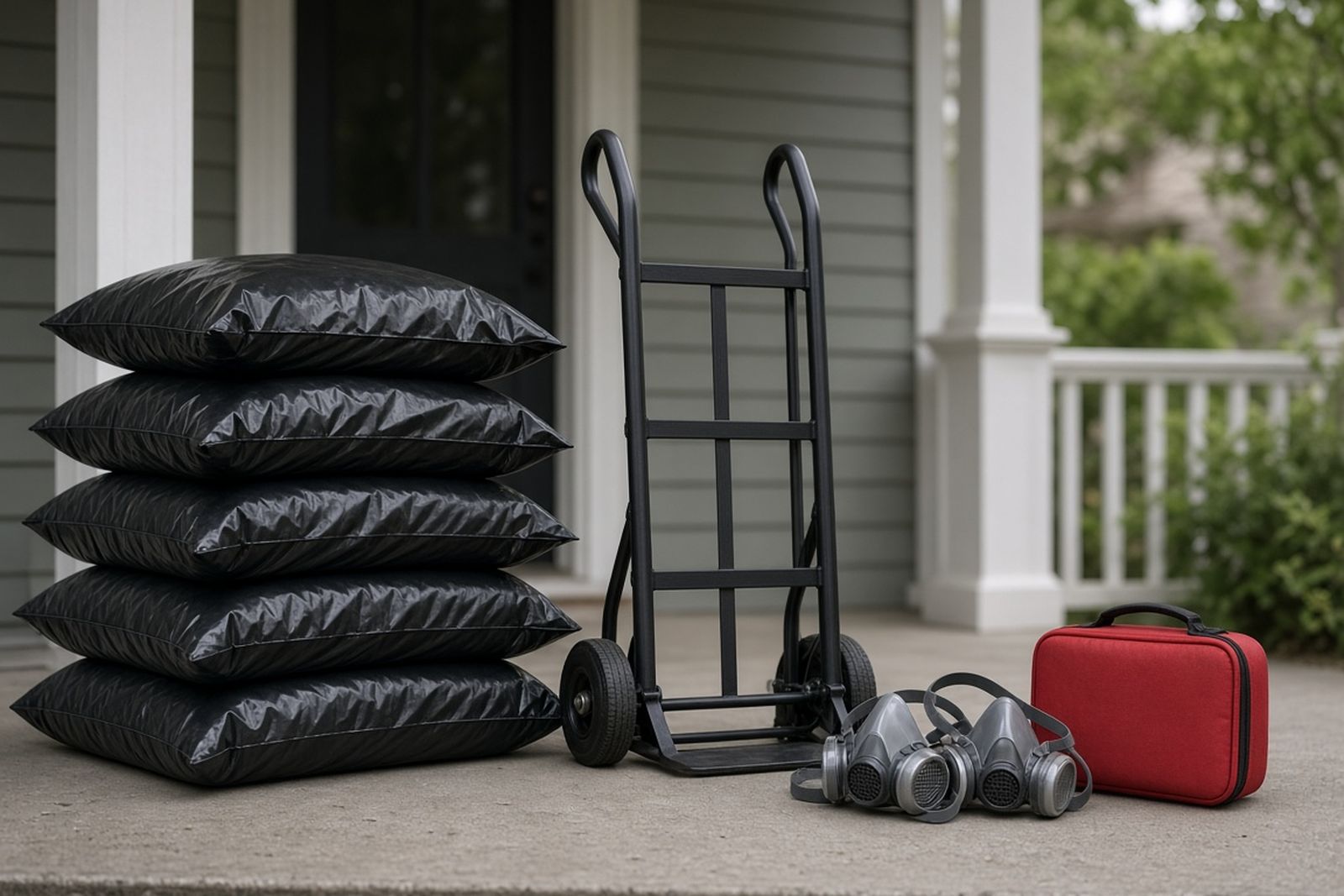
The most obvious difference is equipment. Trained crews wear respirators suited to mold and dust, fluid-resistant suits where there is waste, puncture-resistant gloves for digging through piles and sturdy footwear. They bring HEPA air scrubbers for dusty or moldy rooms, sharps containers and the containers and hauling capacity to remove large volumes.
Less obvious is process. Professionals assess hazards before moving anything, set up clear exit paths, separate waste streams for recycling, donation, household hazardous waste and biohazard waste, and clean and disinfect surfaces once they are exposed. They know when to stop and call a plumber, electrician, pest control company or structural specialist.
Professionals also offer emotional distance. A crew is not part of the family's history. That neutrality can make conversations about what to keep and what to let go feel less personal, which often protects relationships.
Experienced crews also recognize things families may not. A stack of mail may contain unpaid utility notices, uncashed checks or legal papers. A box of old medications may include controlled substances that need special disposal. Professionals who do this work regularly tend to spot these items and set them aside rather than bagging them with trash.
The emotional toll, and why one cleanout is rarely enough
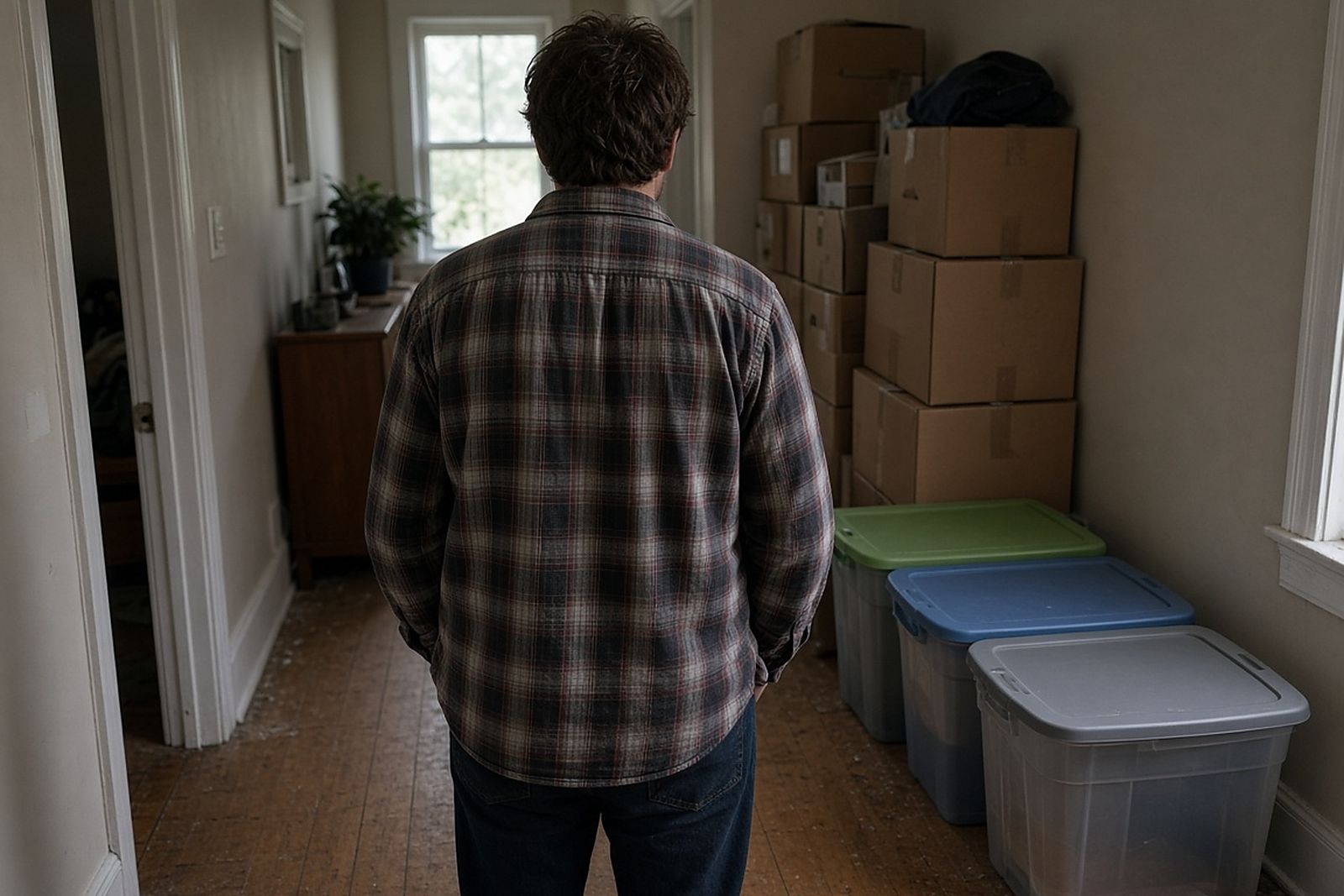
Helping someone with hoarding difficulties often involves years of frustration, worry and strained conversations. When families take on the physical cleanup, those tensions can come to the surface quickly, sometimes over a single item.
That strain is not a personal failing. It is part of what makes this situation so hard.
Taking care of your own well-being is legitimate. Choosing to hire a professional crew, or to bring in a therapist or case manager alongside the cleanup, can protect both the relationship and the person you are trying to help.
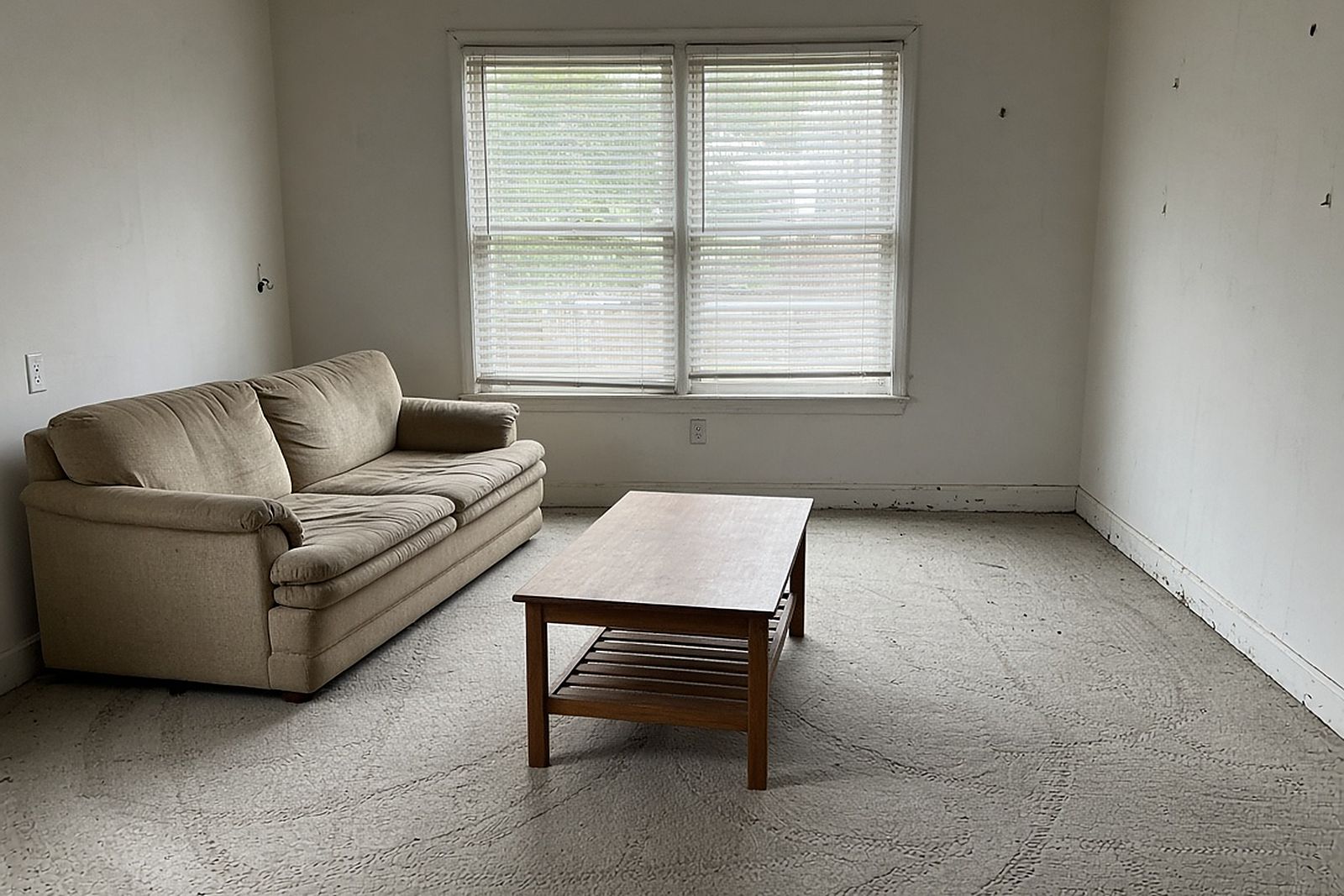
A cleanout removes physical hazards, but it does not treat hoarding disorder, which is a recognized mental health condition. Without support, many homes gradually fill again.
The pattern tends to persist over time. In a 2016 study in International Psychogeriatrics, Dozier, Porter and Ayers reported that among 82 older adults with hoarding disorder, with a mean age of 66, 77% reported symptom onset before age 40, and no participant reported symptoms decreasing over any decade.
That is why many professionals recommend pairing the physical work with mental health support when the resident is willing. Cognitive behavioral approaches designed for hoarding can help people build skills for sorting and discarding. Follow-up visits or maintenance cleanings can help keep a home safe after the initial effort.
The physical risks of a DIY cleanout
Families who take on a hoarding cleanup often underestimate the physical risks. Lifting heavy, unstable piles can cause back injuries or falls. Stacks can collapse. Broken glass, rusted metal and hidden needles cause cuts and punctures. Dust and mold can trigger asthma or respiratory infections.
Biological hazards add another layer. Rodent droppings should be wetted with disinfectant rather than swept to avoid stirring up particles. Animal urine can create strong ammonia fumes in closed rooms. Human waste requires the same precautions as any biohazard.
Hidden items also pose risks. Old propane tanks, ammunition, firearms, pool chemicals and expired medications all turn up in cleanouts. If you find any of these, stop and ask for guidance rather than tossing them into a dumpster. Ask your county's household hazardous waste program about chemicals and fuels, a pharmacy about medication take-back and your police department's non-emergency line about firearms and ammunition.
Families should also think about their own health limits. Older relatives, people who are pregnant and anyone with asthma, heart problems or a weakened immune system face higher risk from dust, mold and heavy lifting. It is perfectly reasonable for those family members to help with sorting in a clean room while others, or a hired crew, handle the physical removal.
Can a hybrid approach work?
Many families choose a middle path. Professionals handle the hazardous areas, such as a bathroom with a failed toilet, a bedroom with animal waste or a basement with mold, while family members sort belongings in cleaner rooms with the resident.
Some families start with a professional assessment and then decide which parts they can manage. Others hire a crew for the first heavy phase and then take over maintenance. Hybrid plans can save money and allow the resident to stay involved in decisions without exposing anyone to unnecessary risk.
If you go this route, agree ahead of time on who does what, where saved items will be stored and how waste will be separated so the professional and family efforts do not conflict.
Hybrid plans work best with a written outline. A simple page listing each room, who is responsible for it, what hazards are known and when the crew will haul material keeps everyone aligned. It also gives the resident a clear picture of what will happen, which can ease anxiety about the process.
Making the decision that fits your situation
Start with safety: if there are biohazards, pests, structural problems, blocked exits or sharps, bring in professionals for at least those parts. Next, consider time. A legal or landlord deadline may require a faster pace than a family can manage.
Then consider the emotional side. If conversations about belongings quickly turn into conflict, a neutral crew and a mental health professional can help. Above all, involve the person who lives in the home as much as they are able, and treat their feelings about their belongings with respect, whichever path you choose.
Cost will inevitably be part of the decision. A DIY effort may look cheaper at first, but factor in dumpster rental, protective equipment, time off work, possible injuries and the chance that hazardous areas will still need professional cleaning later. An honest comparison often narrows the gap more than families expect.
Community resources can help too. Some areas have hoarding task forces, aging services agencies or nonprofit programs that offer guidance, referrals or financial assistance. A call to your local health department or area agency on aging is a good place to start.