Free hoarding scene cleanup tool
Hoarding Scene Cleanup Cost Range Estimator
Set the affected area, surface types, severity and extras to see an educational cost range and the factors that move it.
The cost of a hoarding cleanup depends less on floor space and more on how deep the piles are, the hazards, and the pace. The Cost Range Estimator helps you see those links before you ask for quotes. You will pick how much of the home is affected. You will pick whether the surfaces underneath are mostly hard, mixed, or soft and absorbent. You will pick how bad the piles and the dirt look. You will also pick which extras apply. Examples are after-hours work required by a landlord or job schedule, several rooms, odor treatment, or removing soaked flooring and drywall. The tool gives a learning range with an explanation of what drives it. It has not seen the home. It does not know if animals or needles are present, and it cannot judge how long sorting will take with a certain person. So treat the range as a rough guide only.
Two cost drivers need special attention with hoarding. The first is sorting. It takes far longer when the person reviews items personally, as they have every right to do. Providers who price a fast trash-out will look cheaper on paper, and they often cause harm. The second is what lies underneath. Urine-soaked carpet, damaged floors, droppings, mold, and spoiled food turn a hauling job into a health cleanup job. When you ask for written quotes, ask them to list certain costs apart. These are sorting and packing labor, hauling and disposal for each kind of waste, biohazard cleanup, deep cleaning, and any removal of building materials. Also ask how the price changes if the person goes slower than expected. That way the answer is on paper before it becomes a fight.
How to use it
- 1Estimate the affected area by counting the rooms where accumulation prevents normal use, including hallways and stairs.
- 2Pick the surface mix based on what you expect underneath. Lean toward soft and absorbent if carpet and fabric are common or if the floor is likely soaked.
- 3Set how bad it is based on odor, signs of animals or pests, blocked exits, and whether the plumbing, power, and water work.
- 4Select the extras that apply, review the range and drivers, and copy the suggested quote questions for your provider conversations.
Prefer to ask a person?
Your request is sent to the follow-up inbox. A coordinator can reply by email. Not for emergencies; call 911 first if anyone is in danger.
Estimate a cost range
Hoarding Scene Cleanup cost range estimator
Educational only. Real pricing needs an on-site assessment and a written scope. Insurance coverage is decided by your carrier, not by this tool.
Educational range: $3,000 – $5,000
Scaled from a published reference range (typical biohazard cleanup project, national) reported by Fixr (2025). Your region, provider and the actual findings on site can move the real number outside this range.
Cost level: Mid range.
None of the big cost multipliers are selected. Minimum service charges, travel and waste fees still apply.
Ask every quote to itemize labor, containment, product, waste disposal, verification sampling, and any rebuild, and to state what is excluded.
A worked example
Think about a made-up daughter arranging help for her father. He lives alone in a two-bedroom house with two cats. Most rooms are filled to waist height, the kitchen cannot be used, and the second bathroom has become the cats' litter area. Her father has agreed to help sort if it goes slowly and if nothing leaves without his say. She opens the estimator. She picks a large affected area and a soft surface mix, because the house has carpet throughout. She picks high severity because of the odor and the animal waste. Under extras, she picks multiple rooms, odor treatment, and structural removal. She expects the bathroom floor and maybe the hallway carpet to come out. The tool gives a broad range and lists the cost drivers. These are longer sorting time because her father will review items, biohazard handling for the litter area, likely floor removal, and odor work that depends on removing the source. The quote questions prompt her to ask each provider several things. How will they schedule sorting sessions around her father's energy? How will they handle the cats during work? Does their quote assume a set number of days? What happens to the price if the floor turns out worse than expected? She uses the answers to compare three written quotes on equal terms, not just by the total.
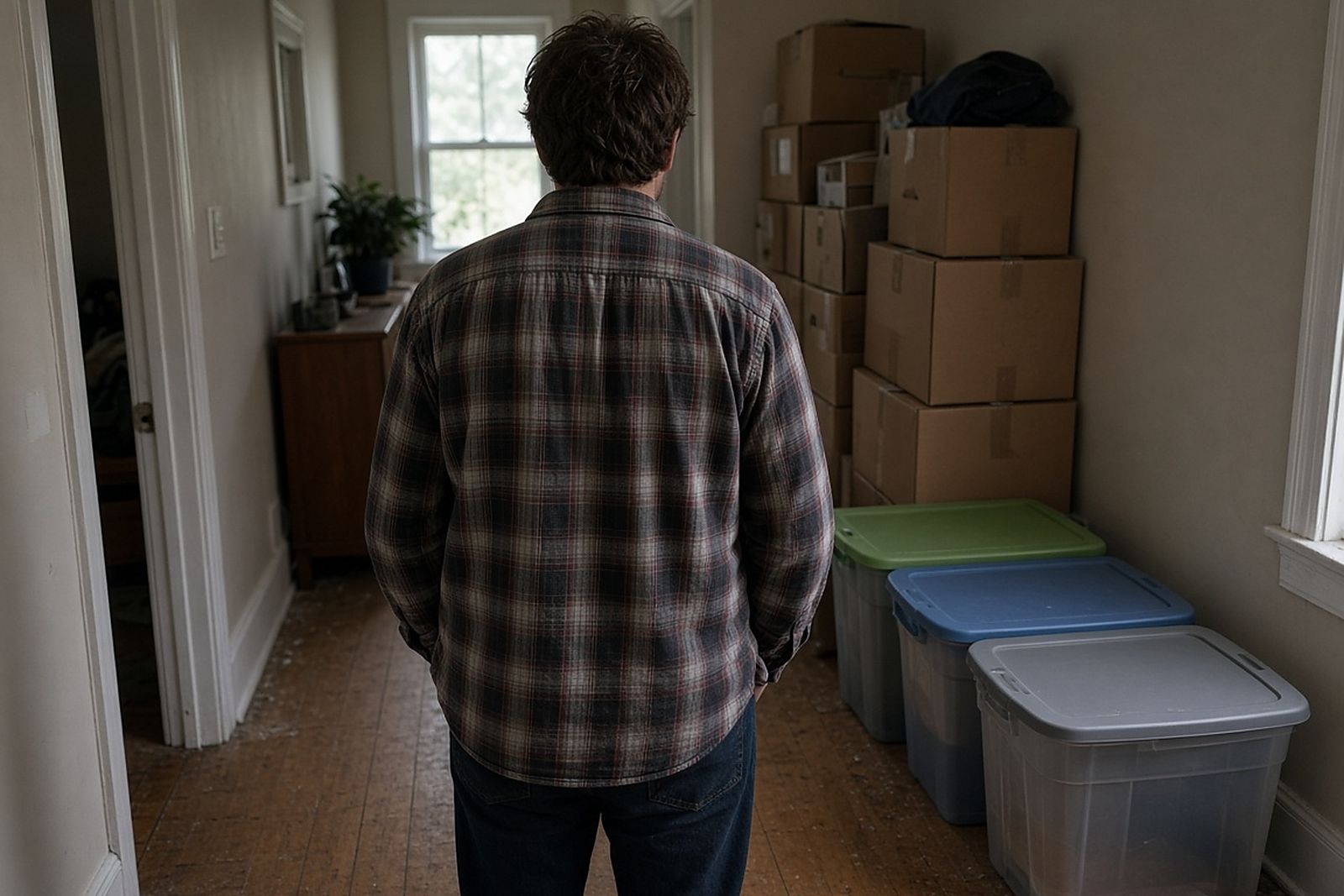
Numbers behind cost estimator decisions
- 4–5% prevalence cited
Claims professionals note standard homeowners policies contain exclusions for neglect, failure to protect property and improper maintenance that can complicate hoarding-related claims.
Read with care: Industry commentary, not a statistical study; the 4–5% prevalence it cites is higher than the 2.5% meta-analysis.
Source: CLM Magazine (Claims and Litigation Management Alliance) (2011)US property claims practice
- 16x response cost
Only 40% of hoarding fires were contained to the room of origin versus about 90% of average residential fires, with damages 8 times and response costs 16 times higher.
Read with care: Larger hoarding fires were more likely to be identified, which may inflate the multiples.
Source: Worcester Polytechnic Institute / Metropolitan Fire Brigade (Lucini, Monk & Szlatenyi) (2009)Melbourne Metropolitan Fire Brigade incident data
- 8–12%
Eight to 12% of surveyed hoarders had been evicted or threatened with eviction because of hoarding.
Read with care: Self-report; rates in tenant populations may be higher.
Source: Psychiatry Research (Tolin et al.) (2008)864 self-identified hoarders, internet survey
- 8 hours annually
Workers covered by HAZWOPER must receive eight hours of refresher training every year.
Read with care: Refresher may be shorter if combined with documented equivalent training.
Source: OSHA (2024)United States, 1910.120(e)(8)
These figures are public research and agency data, not this network's own job records. Keep each number with its population, year and limits; none of them predicts cost, timing or outcome at a specific property.
Cost Range Estimator questions for hoarding scene cleanup
Why is the sorting phase such a large part of the cost?
Sorting is labor performed at the occupant's pace, often in short sessions with breaks, and it cannot be rushed without causing harm. Crews may spend days helping a person decide what stays. Providers who skip real sorting quote lower prices, but the savings come at the expense of consent and often lead to distress and re-accumulation.
How does animal waste change the estimate?
Animal waste turns the affected areas into a health cleanup job, not just hauling. Soaked carpet, padding, and floorboards usually need to come out. Surfaces need cleaning and then disinfecting. Workers wear more protection and dampen the waste to keep dust down. Choose high severity and structural removal when animals have lived in the home for a long time.
Can a phased plan spread the cost over time?
Often, yes. Many providers will plan a first safety stage. That might mean clearing exits and heat sources and removing biohazards. Then they schedule later stages for full sorting and deep cleaning. Ask for the price of each stage in writing. Then you will know what each stage covers and what it costs to pause between them.
Does the estimate cover repairs after cleanup?
No. Flooring replacement, drywall, plumbing, pest exclusion, and electrical work are separate trades. The estimator flags structural removal as a driver but does not price rebuilding. Ask the provider to list what remains after their work so you can budget for repairs and know which contractor to call next for each item.
What should a written quote for hoarding cleanup include?
Look for the rooms covered and how sorting works, including who has the right to decide. Look for how many workers and days are assumed. Look for each kind of waste and where it will go. Biohazard cleanup should be its own line. Look for what deep cleaning covers, how odor will be handled, and the policy if the pace changes. A quote with only a total and a date is hard to trust.
Should I share the estimator's results with the occupant?
Often, yes, if they are involved in planning and it will not overwhelm them. Seeing that cost depends on choices such as pace, phases, and what is kept can help the occupant feel part of the decisions rather than subject to them. Present the range calmly, focus on the first phase, and avoid framing the number as a consequence of their belongings.
Why does my estimate range look so wide?
A hoarded home has more unknowns than most cleaning jobs. Hidden water damage, animal areas, pests, and the occupant's pace can all move the total in either direction. A wide range is an honest reflection of that uncertainty. Narrow it by answering more questions accurately and, above all, by getting a walkthrough, which replaces guesses with what a provider actually sees.
Related community polls
Every count is a real visitor vote; nothing is seeded or padded. One vote per poll per device, and you can change your answer.
If a relative's home had become unsafe, what would be your first step?
How much control should the occupant keep over what leaves the home?
Other hoarding scene cleanup tools
Provider Vetting Checklist
Fifteen questions to ask any remediation provider, a readiness score, and a copyable list of what is still unanswered.
OpenInsurance Claim Organizer
A guided checklist from finding the policy to tracking the carrier decision, with a printable summary of where the claim stands.
OpenFirst 24 Hours Planner
Tell the planner a few facts about the situation and get an ordered list of who to call, what not to touch, and what to photograph.
OpenWaste & Disposal Classifier
Five questions about the material point to the likely waste category and which authority to confirm the rules with.
OpenDIY or Call a Pro? Risk Check
Eight yes-or-no questions that produce a risk level and explain when professional help is the safer choice.
OpenMore on hoarding scene cleanup
Hoarding Scene Cleanup services
Learn how a first look at the home, sorting with consent, biohazard handling, and deep cleaning fit together in a step-by-step plan.
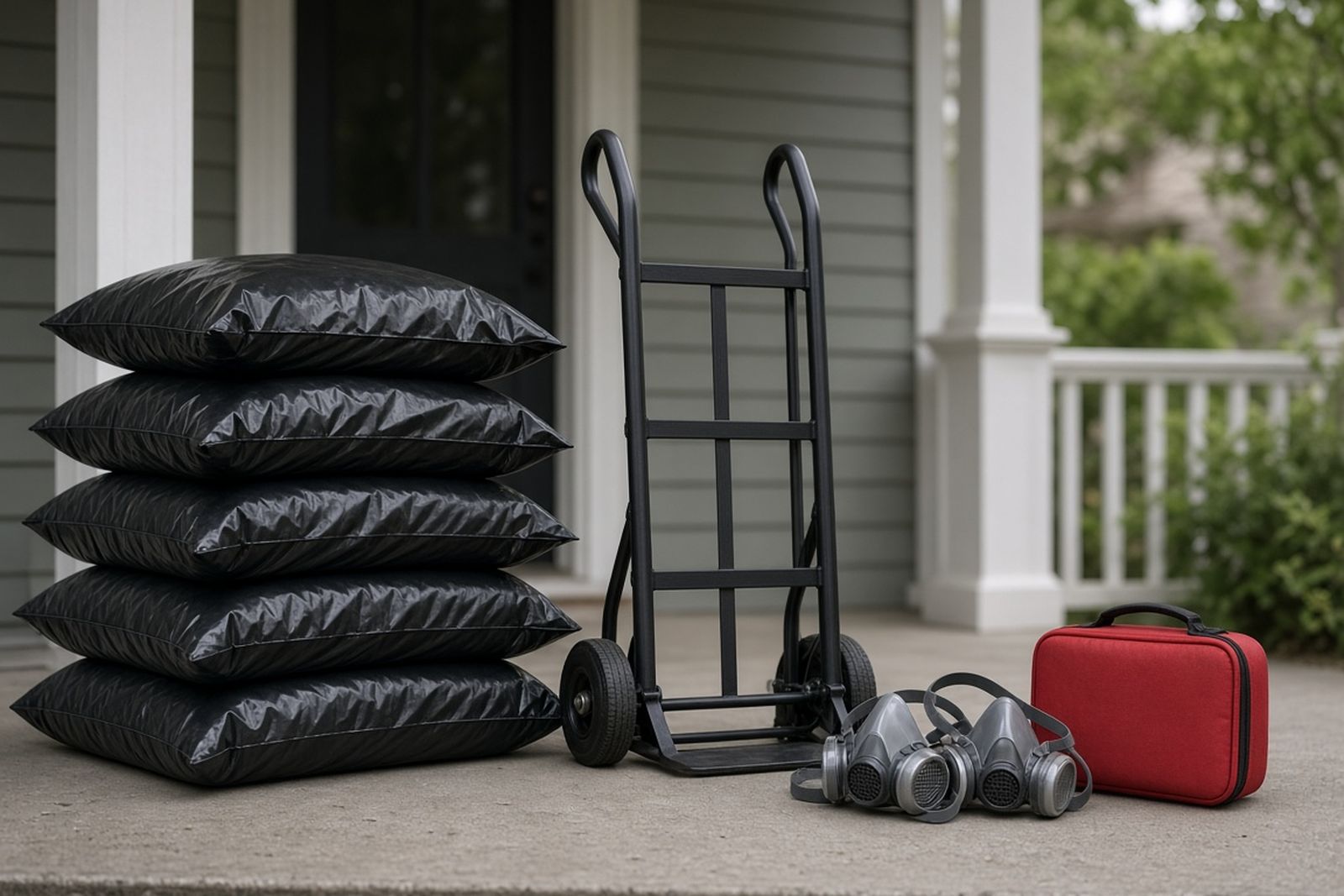
Costs explained
What drives the price, published cost ranges, and how to read a written quote line by line.
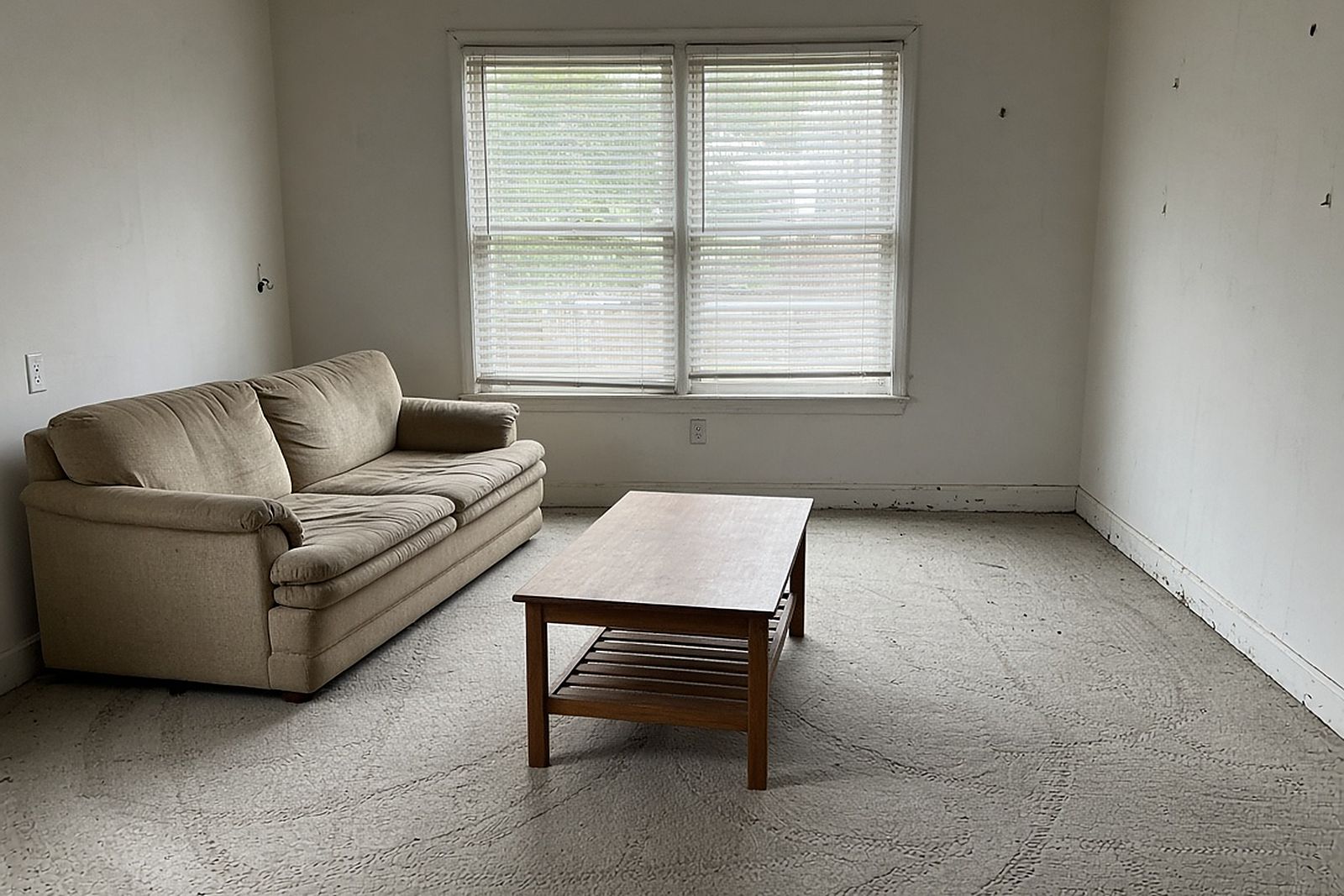
Insurance and payment
Which policies may respond, how to document a claim, and what to do if coverage is denied.
Community polls
See how relatives, landlords, people who hoard, and professionals think about consent, pace, and agency help. Compare your own gut feelings with theirs.
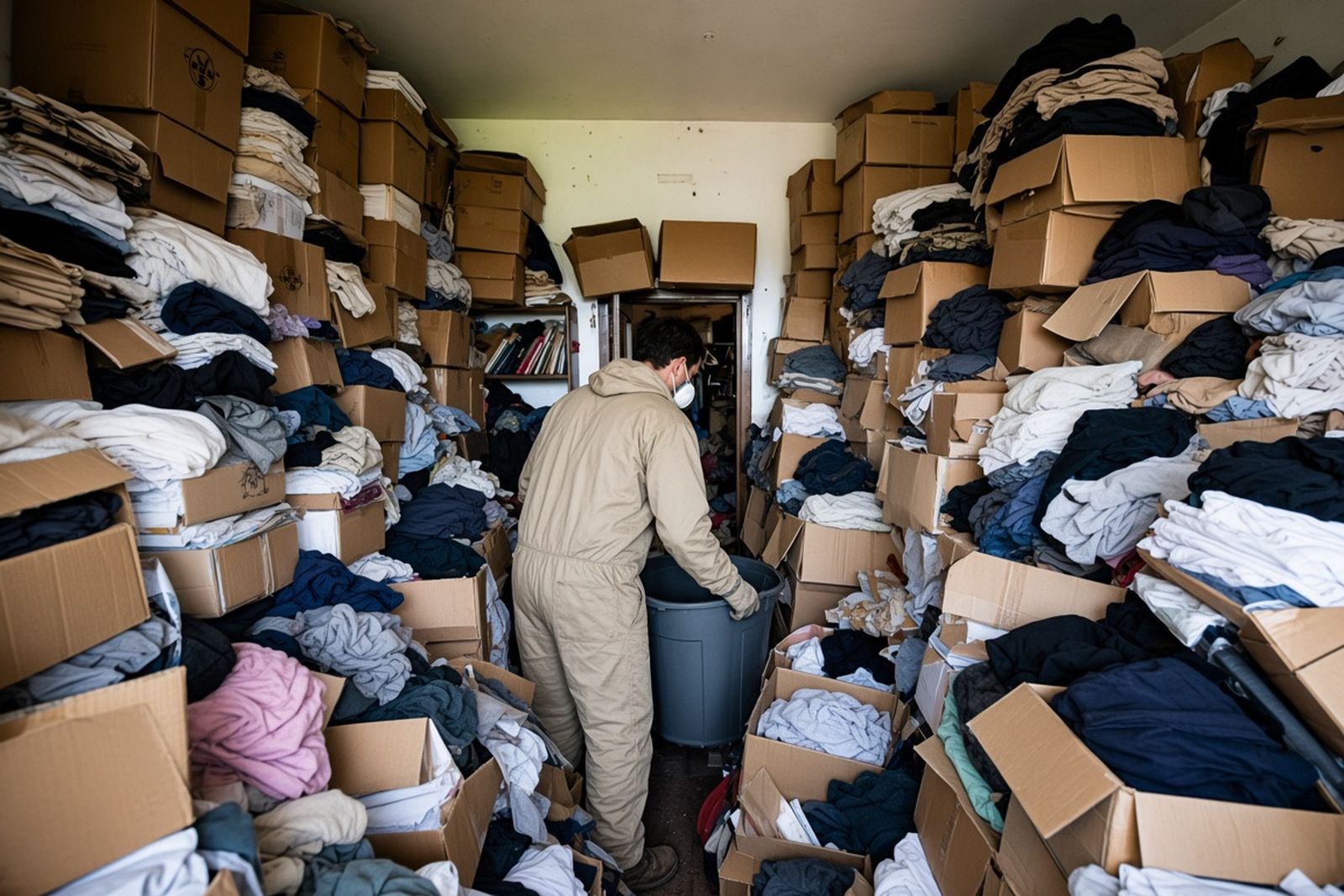
Knowledge quiz
Check what you know about hidden hazards, who can decide, dust control, cleaning and killing germs, waste, and records before you start to help.
Articles and resources
Read about helping a loved one, working with adult protective services, what landlords must do, and lessons from cleanups done in stages in real homes.
City guides
Find providers near you who know hoarding cases. Before you hire anyone, check their training, insurance, and way of working yourself.