Free hoarding scene cleanup tool
Hoarding Scene Cleanup Provider Vetting Checklist
Fifteen questions to ask any remediation provider, a readiness score, and a copyable list of what is still unanswered.
Choosing a provider for a hoarding cleanup is as much about manner and method as it is about equipment. The wrong company can clear a house in a day and leave a person hurt, distrustful, and likely to fill the space again. The Provider Vetting Checklist gives you questions that show how a company really works. Some cover training and protection. Examples are training on germs carried in blood under 29 CFR 1910.1030 and breathing protection for dust and mold. Others cover the human side. How do they involve the person? How do they handle disagreements about items? What do they do when the person needs to stop? Have they worked with therapists or caseworkers? The rest cover animals, needles, dust control, waste, and records. Tick each question only after a clear answer.
Your readiness score shows how much you have checked, not how likable the salesperson was. A company may talk warmly about compassion. But if it cannot describe its sorting stations, its policy on items the person wants to keep, or how it packs needles, you should still have open questions. The tool will list them. Copy that list into an email to each provider you are thinking about. Written answers show more than a phone call. A company willing to put its process on paper is showing you how it will act under stress. Check licenses and insurance directly with the offices that issue them. Do not rely only on the company's own papers. Also confirm any claimed link to a hoarding task force or professional group.
How to use it
- 1Ask each question of the provider during the initial call, the walkthrough, or by email.
- 2Mark a question confirmed only when you have a clear answer in writing or on paper, not just a comforting phrase.
- 3Check the readiness score to see how much remains open before you commit to a contract.
- 4Copy the open questions, send them to the provider, and update the checklist as responses arrive.
Prefer to ask a person?
Your request is sent to the follow-up inbox. A coordinator can reply by email. Not for emergencies; call 911 first if anyone is in danger.
Vet a provider before you sign
Hoarding Scene Cleanup provider vetting checklist
Start with the questions specific to this kind of job. Tick each one once the provider has answered it in writing or shown you the document. Your progress stays on this device only.
Readiness: 0 of 21 confirmed (0%)
21 questions still need a written answer. Copy the list and send it to the provider before you sign anything.
A worked example
Imagine a made-up case manager helping an older client. The client got a notice from her landlord about conditions in her apartment. The case manager opens the checklist and contacts two companies. The first offers a fast clearout. It says the client should stay with family during the work and that it throws out anything clearly damaged. The case manager asks how the client will review items and what happens when she wants to stop. The company's rep says they have never had a problem. The case manager leaves those questions unticked. The second company describes its sorting stations. It has a rule that nothing leaves without the client's approval or that of the person she has chosen to decide for her. It works in short sessions with breaks and plans to work with the client's therapist. It explains how it keeps dust out of a shared hallway and how it packs needles from the client's medical supplies. It also explains what records it gives the landlord. The case manager ticks most items. She still has open questions about insurance papers and how the company handles the client's two cats. The tool's open-questions list goes to both companies by email. Only the second replies in writing. That provider's readiness score rises. The case manager shares the checklist with the client so she can see what has been agreed before signing.

Numbers behind vetting checklist decisions
- 10 working days
OSHA's Bloodborne Pathogens Standard requires employers to offer the hepatitis B vaccine within 10 working days of assigning a worker to a job with occupational exposure.
Read with care: Covers employees only; self-employed and volunteers are not protected by the rule.
Source: OSHA (2001)US employers covered by 29 CFR 1910.1030
- 4,000+ products
More than 4,000 antimicrobial products containing about 275 active ingredients are registered with EPA and sold in the US.
Read with care: Includes non-public-health products; only some are hospital-grade disinfectants.
Source: US EPA (2026)United States, registered antimicrobial pesticides
- 500+
By October 2020, EPA had approved more than 500 surface disinfectant products for use against SARS-CoV-2 on its List N.
Read with care: A point-in-time count; List N has continued to change and inclusion is based on efficacy claims for coronaviruses, not all pathogens.
Source: EPA (2020)United States, EPA List N products, as of October 21, 2020
- 130 million
OSHA covers about 130 million workers at more than 8 million worksites in the United States.
Read with care: Includes state-plan coverage.
Source: OSHA (2024)United States, OSHA jurisdiction
These figures are public research and agency data, not this network's own job records. Keep each number with its population, year and limits; none of them predicts cost, timing or outcome at a specific property.
Provider Vetting Checklist questions for hoarding scene cleanup
What training should a hoarding cleanup crew have?
Workers who may touch blood or other body fluids that can carry disease should have training on germs carried in blood. It should meet 29 CFR 1910.1030. They should also have respirator fit tests and training on the hazards of mold and animal waste. Some crews also seek training on hoarding as a mental health condition. Ask what the training covers and who gave it. Then confirm with that source.
How do I know a provider will respect the occupant?
Listen for specifics: how sorting decisions are made, what happens when the person changes their mind, how sessions are paced, and whether the crew has worked alongside therapists or caseworkers. Vague assurances about compassion are not evidence. Ask for references from families or agencies who can describe how the company behaved when things got hard.
Should I choose a company that promises to finish in a day?
Be cautious. A single-day timeline is usually only possible by skipping real sorting and consent, which harms the occupant and often leads to re-accumulation. A responsible provider proposes phases and explains what determines the pace. Speed can be appropriate for an initial safety phase, but not for the whole project.
What questions apply when animals are in the home?
Ask how the crew handles pets during the work. Ask if they work with a vet or animal services when needed. Ask how they clean and disinfect areas used as a litter box. Ask whether they dampen droppings to keep dust down, and how they record what they found. Both the animals' welfare and the workers' safety depend on the answers.
How do I verify insurance and licensing?
Ask for a certificate of insurance sent directly from the provider's agent, and check any required business or contractor license through the state or county's public lookup. If the company hauls regulated waste, ask about the transporter it uses and whether that transporter is licensed. The network does not verify these for you; confirming them is your task.
Can I use the checklist with a provider a caseworker recommended?
Yes, and you should. A referral from a caseworker, therapist, or task force is a good starting point because those professionals have seen how the provider works. The checklist still helps you confirm details that matter for your home, such as pets, sharps, pace, and disposal. Let the provider know the answers help you plan, not that you doubt the referral.
What if a provider answers most checklist items well but not all?
Look at which items are weak. A gap on scheduling flexibility may be manageable, while a gap on consent, sharps handling, or waste disposal is more serious. Ask a follow-up question on the weak points and see whether the answer improves. Sometimes a provider simply misunderstood the question. If the concern remains, weigh it against the other candidates before deciding.
Related community polls
Every count is a real visitor vote; nothing is seeded or padded. One vote per poll per device, and you can change your answer.
If a relative's home had become unsafe, what would be your first step?
How much control should the occupant keep over what leaves the home?
Other hoarding scene cleanup tools
Cost Range Estimator
Set the affected area, surface types, severity and extras to see an educational cost range and the factors that move it.
OpenInsurance Claim Organizer
A guided checklist from finding the policy to tracking the carrier decision, with a printable summary of where the claim stands.
OpenFirst 24 Hours Planner
Tell the planner a few facts about the situation and get an ordered list of who to call, what not to touch, and what to photograph.
OpenWaste & Disposal Classifier
Five questions about the material point to the likely waste category and which authority to confirm the rules with.
OpenDIY or Call a Pro? Risk Check
Eight yes-or-no questions that produce a risk level and explain when professional help is the safer choice.
OpenMore on hoarding scene cleanup
Hoarding Scene Cleanup services
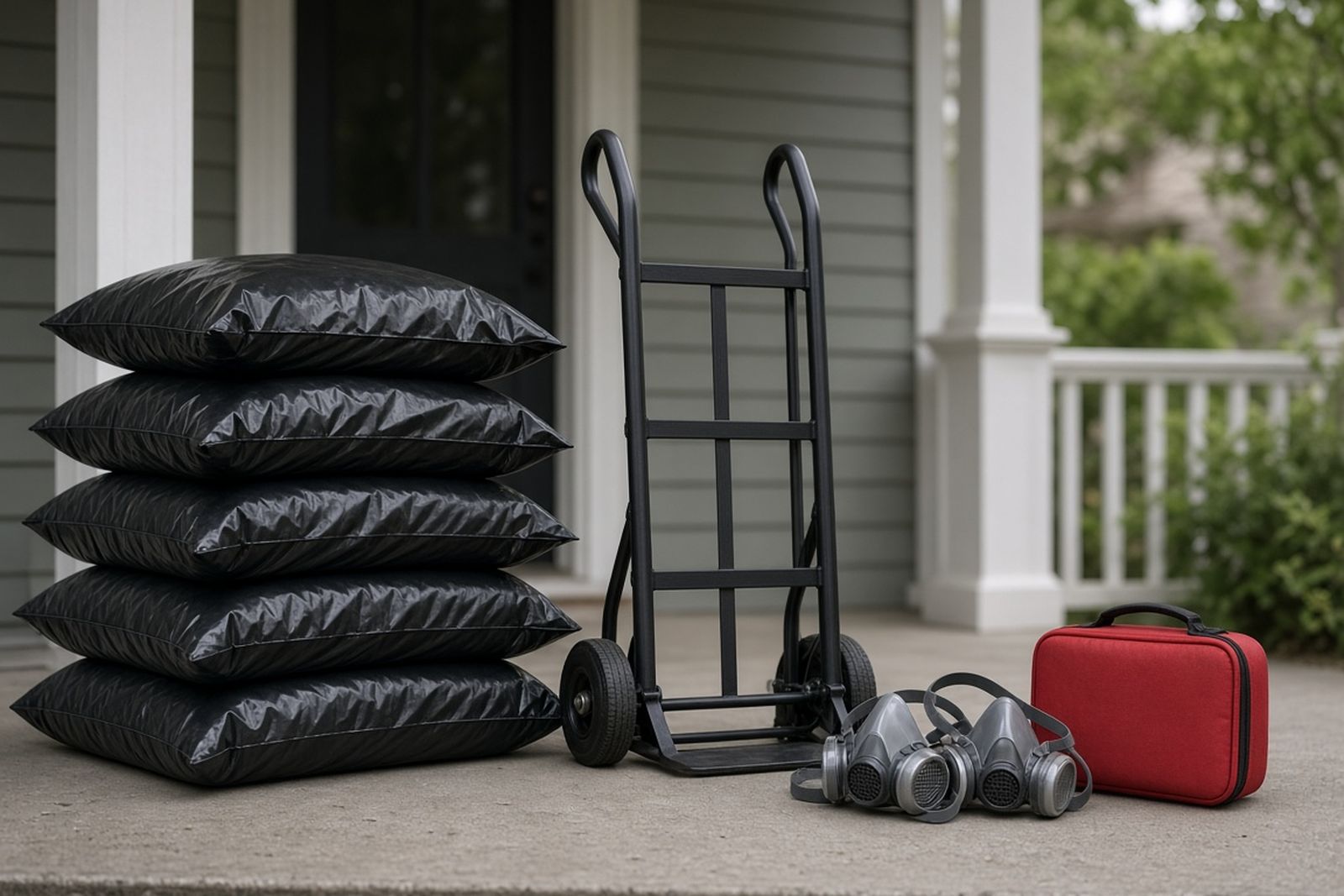
Learn how a first look at the home, sorting with consent, biohazard handling, and deep cleaning fit together in a step-by-step plan.
Costs explained
What drives the price, published cost ranges, and how to read a written quote line by line.

Insurance and payment
Which policies may respond, how to document a claim, and what to do if coverage is denied.
Community polls
See how relatives, landlords, people who hoard, and professionals think about consent, pace, and agency help. Compare your own gut feelings with theirs.
Knowledge quiz
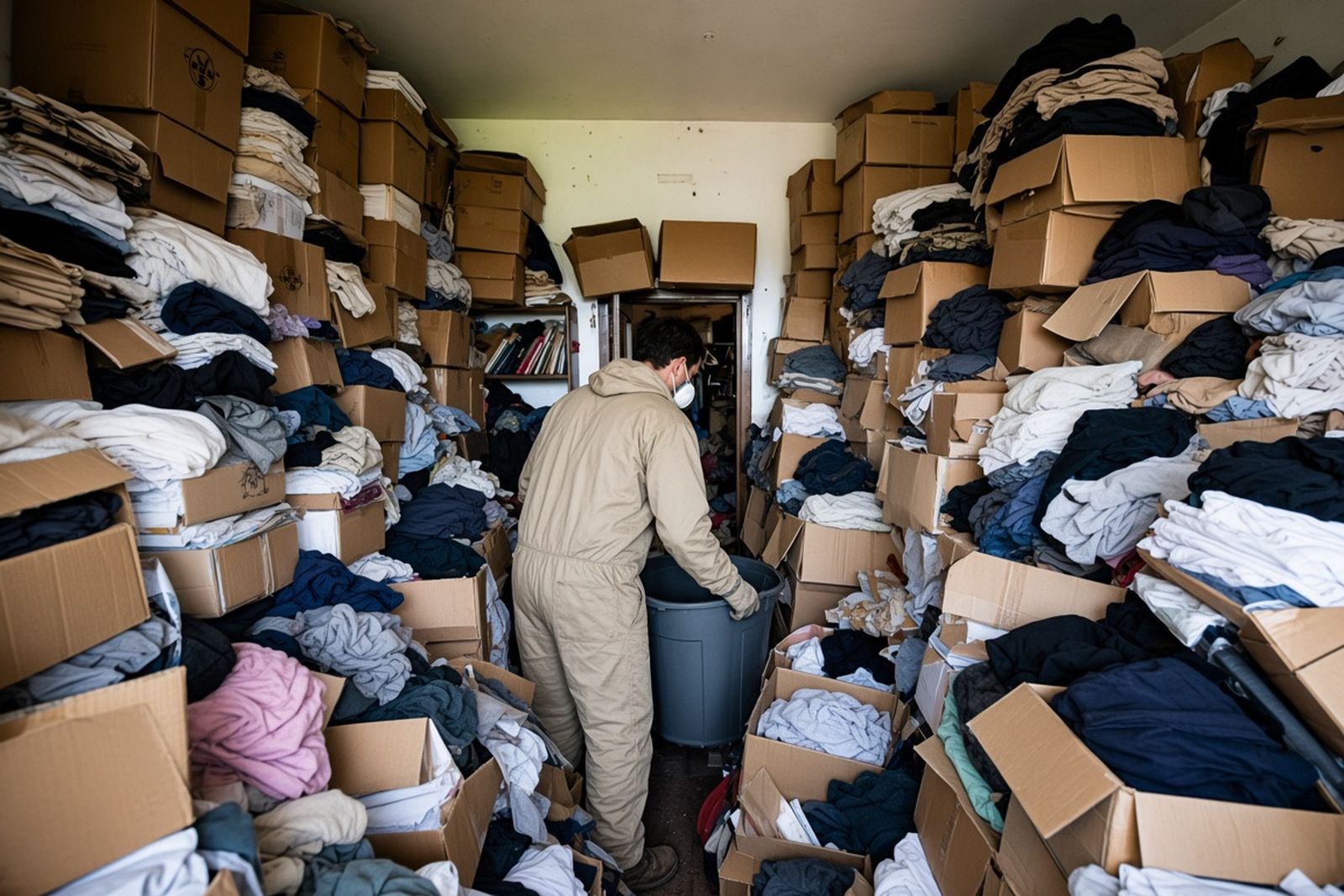
Check what you know about hidden hazards, who can decide, dust control, cleaning and killing germs, waste, and records before you start to help.
Articles and resources
Read about helping a loved one, working with adult protective services, what landlords must do, and lessons from cleanups done in stages in real homes.
City guides
Find providers near you who know hoarding cases. Before you hire anyone, check their training, insurance, and way of working yourself.