Short answer
Hoarding cleanup has no single national license, so credentials work as a set of clues. Look for bloodborne pathogen and respiratory training when waste, mold or animals are present, familiarity with hoarding disorder and harm-reduction approaches, lawful waste and hauling arrangements, proper insurance, and a habit of documenting sorting decisions, hazards and progress in ways that satisfy families, landlords and code officials.
Is there a license that proves a company can handle hoarding cleanup?
Usually not. In most places there is no single government license that covers hoarding cleanup as a trade. A company might hold a general business license, a hauling permit or a contractor registration, but none of those says anything about whether it understands hoarding disorder or can safely handle the hazards inside a heavily cluttered home.
That gap means you have to look at a combination of training, experience, written procedures and records. Each piece tells you something different. Together they give you a reasonable picture of whether a crew is ready for the work.
Your city or county licensing office can tell you whether any permit, hauling license or contractor registration is required for the work at your address, especially if code enforcement or a health department has already issued an order.
Two very different kinds of skill
A hoarding job has a human side and a technical side, and a company needs competence in both.
The human side involves a resident whose attachment to belongings is often intense and whose distress during the process can be severe. A crew without training in how to work alongside someone in that position will struggle, no matter how strong its backs are.
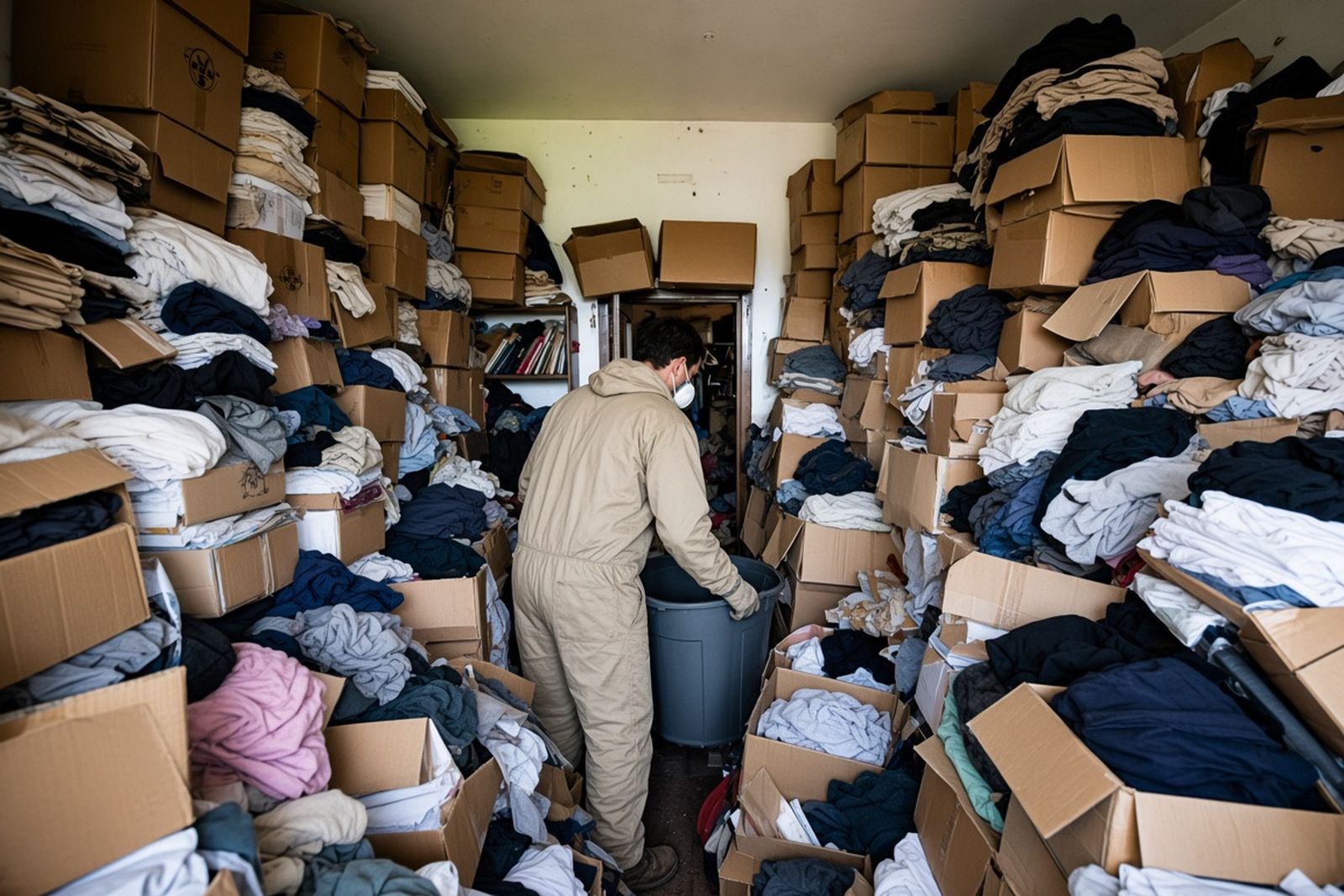
The technical side involves hazards that can include mold, animal urine and feces, human waste, rodent droppings, insect infestations, spoiled food, sharps, blocked exits and weakened floors. Those hazards call for protective equipment, safe work practices and proper disposal.
When you evaluate credentials, keep both sides in mind. A company with excellent hazard training but no understanding of hoarding may cause harm to the resident. A company with deep compassion but no hazard training may put its crew and your family at risk.
Hazard training crews should have
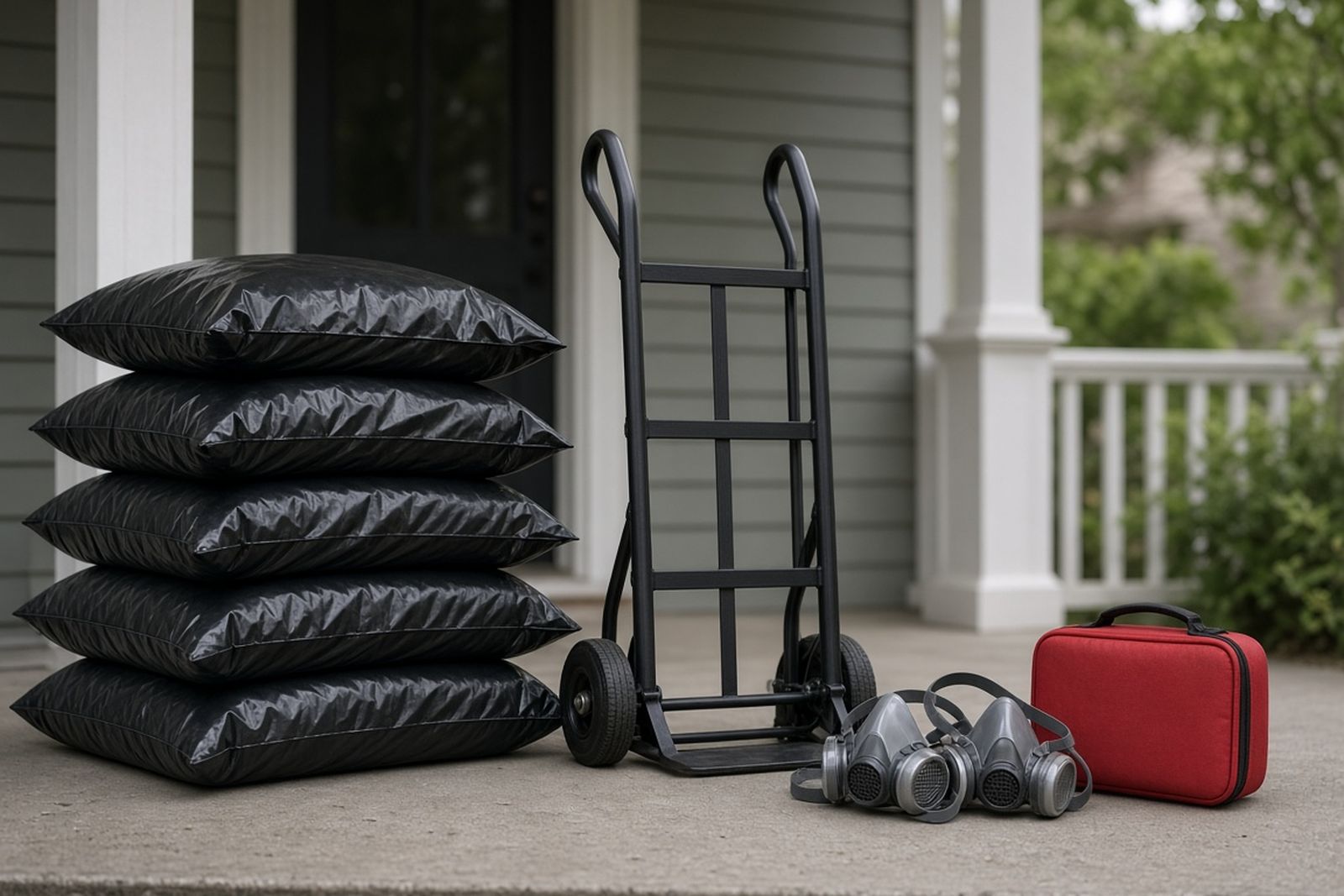
When blood, human waste, used needles or other potentially infectious materials are present, OSHA's Bloodborne Pathogens Standard applies to the employer. It requires training when a worker is first assigned and at least once a year afterward, along with a written exposure control plan and an offer of hepatitis B vaccination.
Mold, dust, ammonia from animal urine and rodent droppings raise respiratory concerns. Ask whether the company has a respiratory protection program, which under OSHA rules generally includes medical evaluation and fit testing for workers who wear tight-fitting respirators.
Ask, too, whether crews are trained to recognize structural and fire hazards, such as overloaded floors, blocked exits, damaged wiring and piles against heat sources. Knowing when to stop and call a structural engineer, electrician or fire official is itself a skill.
What does training in hoarding disorder look like?
Some cleanup companies send staff to courses on hoarding disorder, motivational interviewing or harm reduction, or work in partnership with therapists, social workers and professional organizers who have that background. There is no single required program, so the name of the course matters less than what the company does with it.
Ask how the company involves the resident in decisions, how it responds when the resident becomes upset, how it handles items the resident wants to keep, and whether it has worked with case managers, adult protective services or mental health professionals before. Good answers describe specific practices, such as working in short sessions, letting the resident handle their own belongings or pausing to talk before discarding anything personal.
Be cautious of a company that describes the resident as the obstacle or that promises to get everything out no matter what the resident says. That attitude often signals a lack of the training that matters most in these homes.
You can also ask how the company trains new crew members before they work in an occupied home. Pairing newcomers with experienced supervisors, and keeping them out of sorting conversations until they are ready, is a sign the company treats the human side as a skill rather than an afterthought.
Records that show a company works carefully
Documentation is one of the clearest signs of a professional operation. In hoarding cases it can also be essential for landlords, code officers, courts, insurers and families who need to know what happened.
Ask what the company records during and after the job. Useful documentation often includes:
- An initial assessment describing hazards, access problems and rooms involved.
- Photographs before, during and after work in each area.
- A log of sorting decisions, including items set aside for the resident or family.
- An inventory of valuables, documents, cash and medications found.
- Waste and recycling receipts, plus donation receipts where applicable.
- Notes on cleaning and disinfection performed after removal.
- Any conditions the crew found but could not address, such as structural damage or pest activity.
Documentation when a city or landlord is involved
Hoarding often reaches public agencies before it reaches a cleanup company, which means many families are working against a notice or deadline.
When an order is involved, the agency usually wants to see progress on specific items, such as clear exits, working smoke alarms, removal of rotting food or treatment of a pest problem. A company that documents each step in a way officials can review makes it easier to show compliance and, in some cases, to request more time.
Landlords benefit in a similar way. Photos, logs and receipts help separate what was caused by the accumulation from what was pre-existing wear, and they create a record if the tenancy later becomes the subject of a dispute.
What a strong answer about training sounds like
The difference between companies often shows up in a single conversation about training. One may offer to empty an apartment in a day, say its crew can handle anything and explain that workers learn on the job.
Another may explain that its supervisors have completed bloodborne pathogen and respiratory training, that it has a written exposure control plan and that it has worked with the county before. It may propose shorter sessions with the resident present, a sorting log, an inventory of documents and valuables, and a photo report after each session that a case worker can share with a building manager.
The second answer covers training, records and a plan for the resident in one reply. That combination is what credentials are supposed to predict. It is also what lets a building manager see documented proof that exits are clear while the resident keeps the photographs and papers that matter to them.
Insurance and business credentials to confirm
At a minimum, ask for proof of general liability insurance and workers' compensation coverage. Hoarding cleanups can involve heavy lifting, unstable piles and hazardous materials, so injuries are a real possibility. If a crew member is hurt on a property and the company lacks workers' compensation, questions about responsibility can become complicated.
Ask whether the company carries coverage for damage to the property or belongings during the job, and whether its policy excludes biological or pollution claims. A quick call to the carrier listed on the certificate will tell you whether the coverage is still in force.
Also confirm how waste leaves the property. If the company uses a hauler or dumpster provider, ask for the provider's name. If hazardous items such as chemicals, paint, batteries or sharps are found, the company should know how to dispose of them lawfully rather than tossing them in with general debris.
How should you weigh credentials against everything else?
No single certificate guarantees a good outcome in a hoarding case. What you are really evaluating is whether a company has the training, systems and temperament to keep people safe, protect what matters and leave a clear record.
Ask for references from similar jobs, ideally from case workers, property managers or families. Ask those references how the crew treated the resident, whether important items were saved, and whether the documentation was useful.
Then trust what you learn from the conversations. A company that answers patiently, explains its methods and speaks about the resident with respect is often the one that will do the job well.
Finally, remember that your own role matters. Share what you know about the resident, the history of the home and any deadlines, and ask the company to explain its plan back to you. How well it listens during that conversation is one more credential, even if it will never appear on a certificate.