West · US

Hoarding Scene Cleanup Planning in Atherton, CA

Planning hoarding scene cleanup in Atherton, CA

Atherton estate hoarding plans cover exit maps for each building, trustee authority, staging inside the hedges, and checking pool houses for chemicals. This is planning guidance, not a claim of a local office or crew in Atherton.

Get an email reply about hoarding scene cleanup

Send a short message to the follow-up inbox. A coordinator can reply by email. This form does not send emergency help; call 911 first if anyone is in danger.

Tell us what you need help with. Share a short description; please leave out medical details, access codes, and other sensitive information.

A request does not confirm a booking. For immediate danger, contact local emergency services.

Or email info@hoardingcleanup.online

Direct answer

The short answer for Atherton, CA

On an Atherton estate, the hard part is who has authority across many buildings. There are circular drives, pool houses, trustee letters, and household staff who hold keys but can't approve what goes. Map the exits of each building people live in. Stage work inside the hedge line. Pace decisions for heirs using guidance from the Menlo Park Fire Protection District. Don't make up town penalties or promise crews.

Editorial guide · Biohazard Remediation NetworkUpdated 2026-07-22Location focus: Atherton, CA

Local planning context

Large Peninsula lots often have a main house, guest cottage, pool house, and workshop behind tall hedges that hide conditions from the street. That privacy protects dignity during clearing. But it also means problems may not be found until a caregiver, trustee, or medical call forces someone to go in. Circular drives look roomy until a dumpster sits on the only path a fire truck can use. In fog season, rooms kept shut for months trap clammy paper against plaster. Stains show up only after paths open. Plan separate exit maps for the main house, any guest unit where someone lives, and the path from garage to street. One pickup day at the curb is not a safety plan.

Fire and rescue guidance for this San Mateo County town comes from the Menlo Park Fire Protection District. The town doesn't have its own fire department. District pages help families understand blocked exits, things that could burn near heaters, and whether responders could reach someone. District staff don't sit at a sorting table deciding what to keep. Town web pages may answer property upkeep questions. They don't replace a trustee's or executor's written authority, and they aren't a path to treatment. Use official pages for guidance only. Don't make up deadlines or penalties on this guide.

Trusts, estates, and homes owned by several generations are common here. Heirs may argue over belongings tied to someone's identity. Meanwhile, housekeepers or grounds managers may hold keys without any legal right to approve discards. A gentle pace uses daily goals and labeled stations: Keep, Donate, Release, and Regulated (items that need special disposal). Set up a desk inside for ledgers, photos, and medical files before any box reaches the driveway. Stacks kept for years often hide rodent nests. Spray them with water first, the way public health guides suggest. Never use a dry broom. Crawl spaces and workshops may hide chemicals and needles that should never go out with regular debris.
Property considerations

Draw an exit map for the main house and for every cottage, pool house, or guest unit where someone lives, before any day spent on keepsakes.

Get a letter from the trustee, executor, guardian, or owner. Their say on what goes counts more than staff who hold keys.

Put dumpsters and sorting tables inside the hedge line and setbacks. Leave the fire truck approach and the sidewalks open.

Check workshops, pool houses, and sheds for chemicals and needles, apart from the paper in the main rooms.

Stop work in any area where floors sag, walls crack, or doors stick under the weight of books. Wait until a qualified expert reviews it. Don't claim to diagnose it yourself.

Lock personal photos, videos, ledgers, and medical files at a review desk inside before anyone photographs the estate.

Response-planning framework

Safety walk through every building

Walk the main house and every other building where someone lives. Ask the same questions each time. Can a person get out of a bedroom? Reach a bathroom? Can smoke detectors and electric panels be uncovered? Photograph spots you can't get through, building by building. In each building where someone lives, open a clear path to the main outside door before touching attic keepsake rooms. If floors bend or stacks lean on main walls, stop heavy pulling in that area. In Peninsula fog seasons, insects and nests may already be under the paper. Plan to wet things down from the first hour.

Staging inside the hedges and managing vendor traffic

Big lots allow quiet sorting indoors. But narrow spots on a circular drive still decide whether a fire truck could get in. Keep tables out of street view when hedges allow. Bag items before they go to the curb, and protect polished floors. Landscape crews, caterers, or guest parking may still arrive. Tape off a clean lane so vendors without protective gear never wander into rooms with nests. Tell the neighbors next door only the hours and driveway limits. Here, dignity is part of the plan: graphic contents stay bagged until they leave the property.

Trustee-led saving and hold boxes for heirs

Written rules name the person with legal authority, not the person with the spare key. Medicine, eyeglasses, ID cards, mobility aids, and trust papers go into a sealed priority tote on day one. Disputed heirlooms go into dated hold boxes. That way no one faces same-day pressure from arguing siblings. Family members without breathing protection stay out of the waste and nest layers. Log each disputed item that's let go. Then later probate arguments can point to dates, not rumors about "missing" silver or albums.

Workshop chemicals, nests, and honest finish notes

Keep regular debris, recycling, donations, needles, household chemicals, and regulated packages apart. Hire a licensed pest company to seal entry points if nesting goes on after the big removal. Clearing alone doesn't close the gaps. Wipe down exposed hard surfaces. Note urine-darkened subfloors or moldy plaster as separate repair jobs. Say that paths from bedrooms are open and regulated materials are handled. Don't claim the finishes are restored. Keep one estate file with the permission letters, photos of each building, and the list of repair trades.

Documentation checklist

  1. 1Letter from the trustee or owner covering the Keep, Donate, Release, and Regulated categories
  2. 2Photos of each building before work, after paths open, and after hard surfaces are cleaned
  3. 3Exit maps for the main house and each cottage or pool house where someone lives
  4. 4List of what's in the priority tote: medicine, ID cards, devices, and trust papers
  5. 5Log of debris, recycling, donations, needles, household chemicals, and regulated packages
  6. 6Notes on nests and fog-season damp spots, with separate trade labels
  7. 7Record of heirs' hold boxes, with dates and photo references
  8. 8Repair notes for each building on the estate: floors, walls, rodent sealing, and air filters

Official resources

Questions for this location

Why map exits per building on an Atherton estate instead of starting in the fullest room?

A cleared front hall in the main house won't help someone trapped in a pool house or back cottage. If a bedroom or bathroom is cut off, a medical call or a fire becomes far more dangerous. That risk comes long before heirs discuss keepsakes. Responders still need a clear path from the street through the circular drive. Hedges are not an exit. In each building where someone lives, open a walking path and uncover the smoke detectors first. Steady any stacks leaning in hallways so they can't fall during early work. Photograph the blocked and opened spaces for trustees who review the estate file.

Who controls releases when staff have keys but heirs disagree?

Having keys means access, not authority. A housekeeper, property manager, or gardener may open doors but has no power to approve throwing out trust property. Get a written letter from the owner, trustee, executor, guardian, or court-appointed person before anything is hauled away. Disputed heirlooms go into dated hold boxes with photos, not into the dumpster because siblings are pushing. Medicine and ID cards still go into a sealed tote, no debate needed. If the trust wording is unclear, pause the disputed groups until a lawyer clears it up. Don't make up authority on site.

How can staging behind the hedges protect privacy and still leave room for fire trucks?

Put sorting tables and bagging inside or behind landscaping, so private contents aren't on show at the curb. Still keep the driveway entrance and sidewalks clear for fire trucks and caregiver parking. Bag items before they go to the curb. Tape off a clean lane for vendors without protective gear. Tell neighbors only the schedule and where not to park. Privacy plantings help, but they never excuse blocking the only way in with unsorted debris. Record where bins were placed and why in the estate file, so later reviewers understand.

Why check workshops and crawl spaces differently from the main rooms?

Workshops and spaces under the house often hold fuel, solvents, spray cans, and needles. These must never share bags with fabrics from the living room. Check those areas using EPA household hazardous waste guides and local program rules found through official channels. Paper and photo albums from the main rooms need review stations inside where heirs can look. Pests often travel from sheds into the living areas. So outbuildings aren't something to leave for a "garage Saturday" at the end. Log chemical types apart from donation goods.

How can Menlo Park Fire Protection District pages help without forcing a purge?

District materials explain safety needs. These include exits, things that could burn, and whether conditions put residents or responders in danger. They don't give anyone the right to throw out personal property. Open paths early, reduce fire risk near heaters, and record progress while hold boxes protect disputed belongings. Forced purge days that skip protection and checks hurt people and destroy trust papers. Treatment for any mental health condition is not part of cleanup. You can mention referrals, but don't diagnose anyone or claim therapy is included. Safety goals and trustee consent can share one written schedule without a promised finish date.

Where should a container go on an Atherton lot with large old trees?

Atherton lots often have old oaks and other large trees near the drive. A loaded dumpster parked over their roots can pack down the soil and hurt the trees. Before delivery, walk the site with the hauler. Pick a spot on pavement or gravel, away from tree trunks and the area under the branches. If you aren't sure whether a tree has special protection, ask the Town of Atherton before placing heavy equipment near it.

How should household staff be briefed before an Atherton clear-out?

Housekeepers, gardeners, and caregivers often know the property best and may feel protective of the resident. Tell them plainly about the schedule, which rooms are being worked on, and who has the right to approve discards. Ask them not to move or throw out anything on their own, even to help. They often know where medicine, keys, and important papers are kept, which can save hours. Invite them to share that with the person who decides.

Contact

Get help by email

Send a short message for an email reply about hoarding scene cleanup planning questions for the San Francisco Bay Area area.

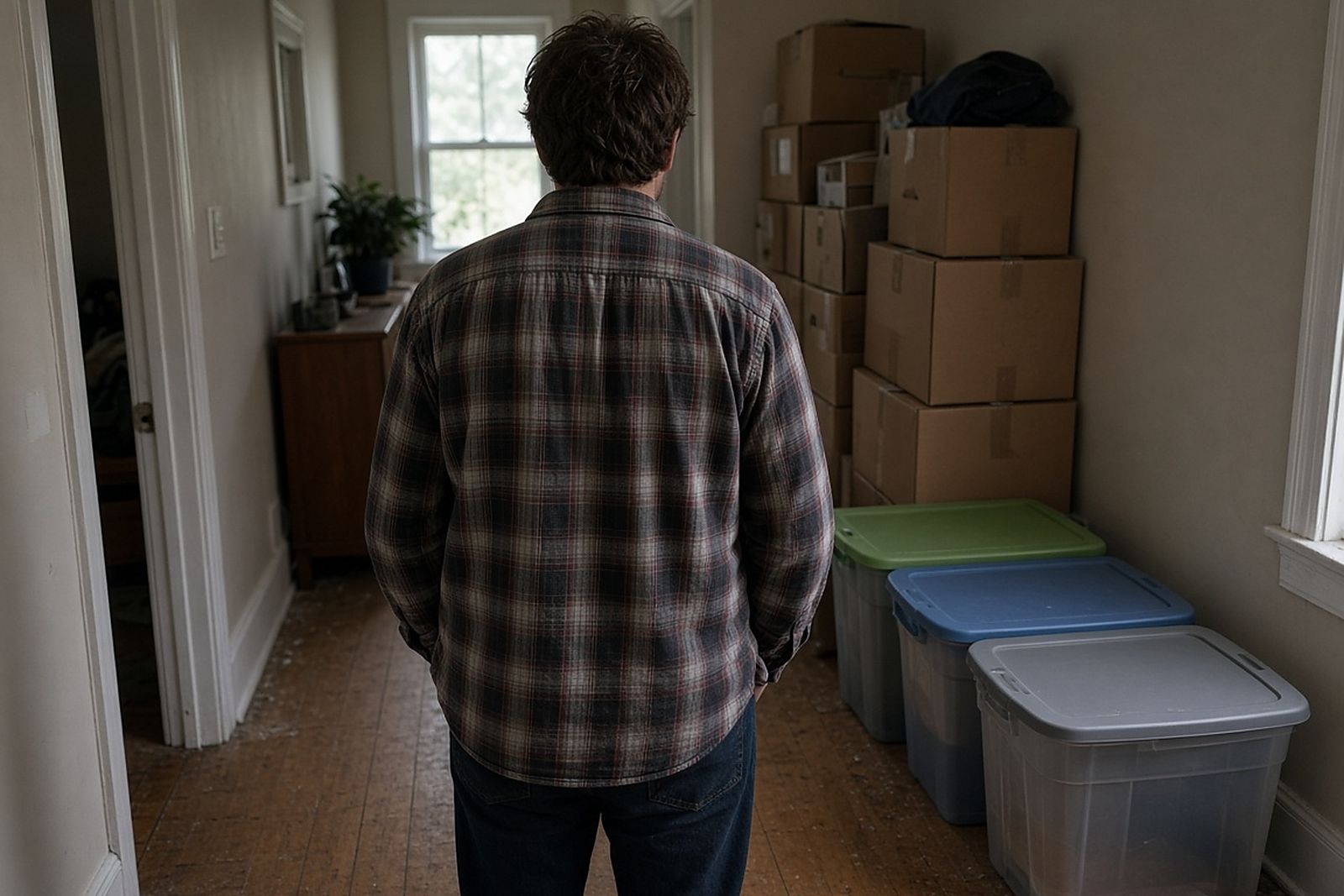
Person seen from behind in a hallway beside stacked boxes and three colored sorting bins
Illustrative photo, not a job record. Person seen from behind in a hallway beside stacked boxes and three colored sorting bins.
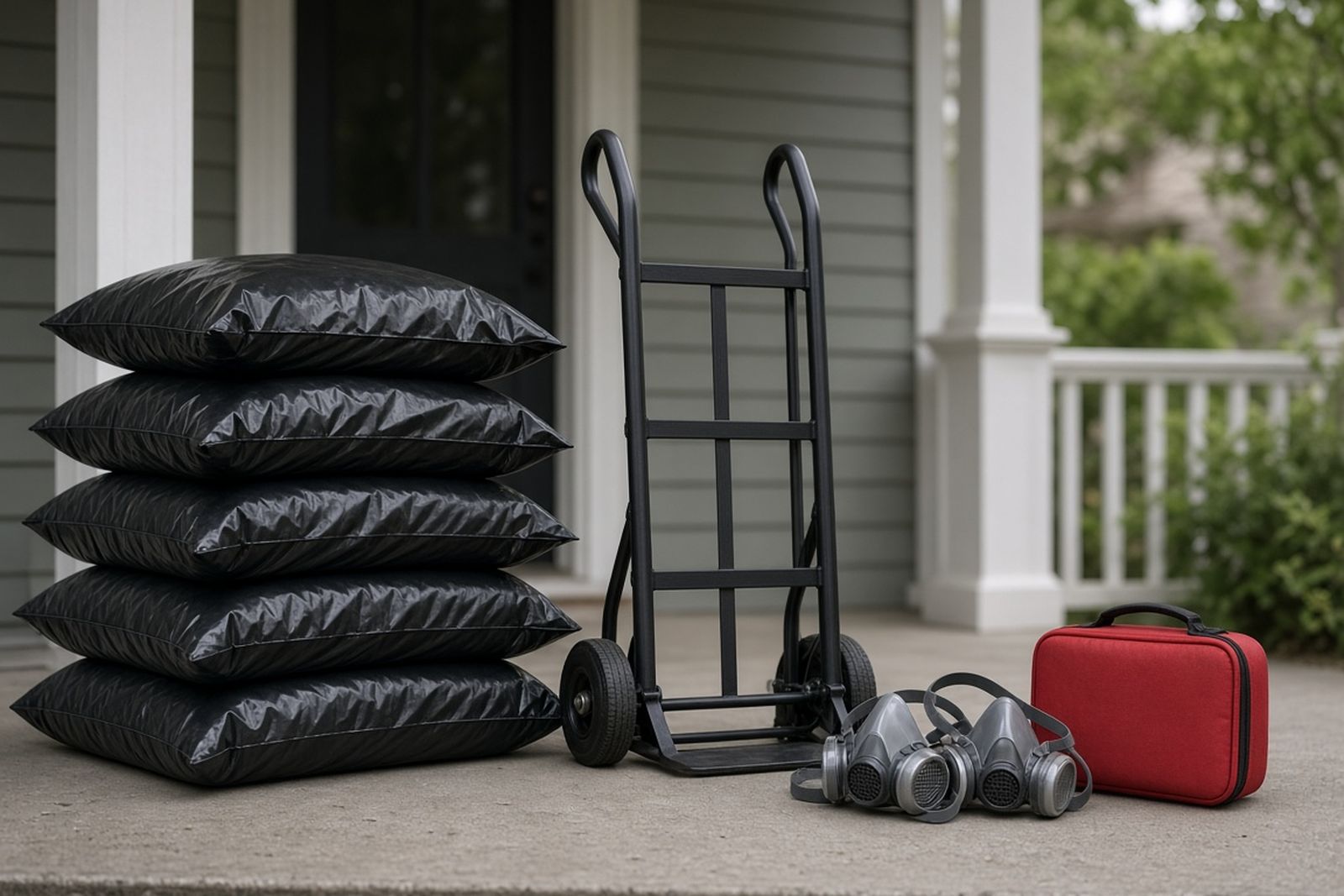
Contractor bags, a hand truck, respirators and a first-aid kit staged on a porch
Illustrative photo, not a job record. Contractor bags, a hand truck, respirators and a first-aid kit staged on a porch.

Hoarding Scene Cleanup figures to keep in mind

National and research figures, not Atherton data. Local conditions, rules and providers vary; use these for scale and context only.

18.7%

18.7% with clinical hoarding symptoms reported moderate-to-extreme work/school difficulty versus 11.8% with reported depression history.

Read with care: Volunteer registry; symptom screens rather than universal clinical diagnoses; no causality.

Source: Nutley et al. (2022)16,312 adults in the internet-based Brain Health Registry.

0.85%

A meta-analysis of 85,681 English households over 13 years estimated the point prevalence of domestic squalor at 0.85%, with rentals and lower-income homes at higher risk.

Read with care: Squalor overlaps with but is not identical to hoarding disorder; UK data.

Source: BMC Public Health (2024)English Housing Survey data

4–5% prevalence cited

Claims professionals note standard homeowners policies contain exclusions for neglect, failure to protect property and improper maintenance that can complicate hoarding-related claims.

Read with care: Industry commentary, not a statistical study; the 4–5% prevalence it cites is higher than the 2.5% meta-analysis.

Source: CLM Magazine (Claims and Litigation Management Alliance) (2011)US property claims practice

These figures are public research and agency data, not this network's own job records. Keep each number with its population, year and limits; none of them predicts cost, timing or outcome at a specific property.

Plan before you reach out

Use the first 24 hours planner for immediate steps and the provider vetting checklist to confirm any Atherton provider's training, insurance and waste path in writing.

What research has found

Findings from published studies of people and properties in situations like this one. They describe what researchers observed in a specific group; they are not predictions for your case.

People with both hoarding and current depressive symptoms showed the greatest disability burden.
Who was studied: 16,312 adults in the internet-based Brain Health Registry.Limits: Volunteer registry; symptom screens rather than universal clinical diagnoses; no causality.Hoarding symptoms are associated with higher rates of disability across multiple domains… (2022)
Staff described difficulty distinguishing hoarding disorder from general property neglect.
Who was studied: 17 English housing, health, emergency-service and social-care stakeholders in two focus groups.Limits: Professional perceptions; not measured intervention effectiveness or prevalence.Managing hoarding disorder: A qualitative investigation of existing procedures and pract… (2023)

Hoarding Scene Cleanup community polls

Poll results

Every count is a real visitor vote; nothing is seeded or padded. One vote per poll per device, and you can change your answer.

Your experience

If a relative's home had become unsafe, what would be your first step?

No visitor votes yet
Process

How much control should the occupant keep over what leaves the home?

No visitor votes yet

Planning cleanup in Atherton?

Send a short message about the property to the follow-up inbox. A coordinator can reply by email with next steps.

Your request is sent to the follow-up inbox. A coordinator can reply by email.

If anyone is hurt or in danger, call 911 first.