West · US

Hoarding Scene Cleanup Planning in Malibu, CA

Planning hoarding scene cleanup in Malibu, CA

Malibu hoarding plans focus on canyon road pull-outs, work hours that shift on red flag days, fuel checks in garages near brush, and opening exits first. This is planning guidance, not a claim of a local office or crew in Malibu.

Get an email reply about hoarding scene cleanup

Send a short message to the follow-up inbox. A coordinator can reply by email. This form does not send emergency help; call 911 first if anyone is in danger.

Tell us what you need help with. Share a short description; please leave out medical details, access codes, and other sensitive information.

A request does not confirm a booking. For immediate danger, contact local emergency services.

Or email info@hoardingcleanup.online

Direct answer

The short answer for Malibu, CA

In Malibu, planning a hoarding cleanup starts with wildfire country logistics. There are one-lane canyon roads and workdays that shift on red flag days. There are propane and fuel in garages next to brush. And you open exits inside the house in step with the driveway pull-outs. Use LA County Fire and city websites for guidance only. This page won't invent brush clearance distances or arrival times.

Editorial guide · Biohazard Remediation NetworkUpdated 2026-07-22Location focus: Malibu, CA

Local planning context

Canyon roads and lots along Pacific Coast Highway often share one narrow way in for residents, caregivers, and fire trucks. If halls inside are blocked and the area in front of the garage is piled with unsorted debris, no one is ready to evacuate, even in calm weather. Red flag warnings and alert chatter tempt families to rush throwing things out. But unsafe speed still stirs up nests and destroys medicine. Sloped lots leave little room for trucks to turn, and soft road shoulders give way under a dumpster's weight. Rooms facing the ocean and rooms in the canyon's shade create two climates at one address. One wing gets salt damage. The other gets cool, damp paper. So when you uncover things, note which part of the house each stain came from.

The Los Angeles County Fire Department and the City of Malibu websites answer public questions about fire safety and city services. This guide doesn't make up brush clearance measurements, deadlines for citations, or evacuation orders. The key questions in a hoarding case are usually two. Can people reach an outside door? And do fuel and things that burn raise the fire risk near the house? County and city pages don't name someone to throw things out, and they don't replace gentle rules for letting things go. Read official pages for current programs. Treat this summary as planning help, not a code book.

Hills hide conditions from people passing by. So problems often aren't found until a caregiver, insurer, or late-night medical call. Detached studios, carports, and hillside storage lockers often hold propane tanks, gas cans, and paint. These must never go in living-room trash bags. Kitchens that open to the outdoors draw rodents. Using a dry broom on nests is unsafe. Relatives across Los Angeles County may guide the work by photo. Use approvals with time limits and check the driveway pull-out every day. That way worry about fire weather doesn't become an excuse to purge without permission.
Property considerations

Link the paths out of each bedroom to a map of the driveway pull-out, so neither end of the escape route gets blocked during work.

When official red flag or alert messages raise the outdoor risk, change the hauling hours. Don't race to move more.

Set aside propane, gas, solvents, and spray cans in garages near brush before touching bedroom paper.

Label notes from uncovered areas by climate: the ocean wing or the canyon-shade wing.

On sloped lots, pause any area where floors bend, walls crack, or doors stick under heavy weight. Wait for a qualified expert.

Get written authority from trustees or all owners of a shared lot before any cart of discards rolls out.

Response-planning framework

Opening exits in step with the driveway pull-out

Walk every bedroom in use. Ask whether someone could reach the door facing the driveway and a bathroom without climbing over stacks. Photograph spots you can't get through. Uncover buried smoke detectors. Keep the area in front of the garage and the pull-out free of unsorted debris, so fire trucks and cars aren't trapped. If outdoor alerts get worse, shorten the work hours or stop moving things outside. Don't promise to finish ahead of the weather. Take down piles on outdoor slopes as carefully as stacks indoors. On a slope, gravity makes a fall more likely.

Staging on one-lane canyon roads and near PCH

Measure the truck's length against the pull-outs and the room for mirrors on canyon roads. Don't block the only passing spot. Bag items inside, then move them at a planned time so soft waste doesn't shed on the road shoulder. Keep hydrants and pull-outs visible from the road. Check carports and hillside lockers for fuel before those items get near living-room bags. Mark a safe walkway with tape so unprotected helpers stay out of nest rooms. Tell nearby homes the schedule only, never graphic details.

Setting fuel aside before sorting keepsakes

Build stations for Keep, Donate, Release, and Regulated (items that need special disposal) only after fuel and anything that could spark are set aside. Written rules name the person with authority. Medicine, ID cards, mobility aids, and legal folders go into a sealed tote early. Wildfire worry often pushes heirs to throw first and think later. Dated hold boxes protect disputed albums when outdoor stress runs high. Family members without a fitted mask can help with paperwork on the deck instead of digging into nests. Log each disputed item that's let go for insurance or estate files. Keep the wording plain.

Cleaning up in two climates

In canyon garages, look for gas cans, propane tanks, and bug killer jugs before any bag is crushed. Also look for needles and pet waste. The CDC's hantavirus guides say to soak rodent nests before you disturb them. Wood rats and mice from the nearby brush often come back. Book a pest company to seal the house after clearing. Wipe hard surfaces. Note soft floors or plaster by wing, ocean or canyon. Salt air and canyon damp fade at different speeds. Say that paths are open and regulated waste is handled, while finish trades stay on the list. Don't make up a county fire clearance letter.

Documentation checklist

  1. 1Owner or trustee letter naming who approves each pile before a truck leaves the canyon
  2. 2Photos of bedroom paths paired with photos of the driveway pull-out
  3. 3Notes on changes to work hours when red flag or alert messages change
  4. 4Log of fuel and propane set aside from garages, carports, and hillside lockers
  5. 5Grab-and-go tote list, kept ready in case of an evacuation order during the work
  6. 6Record of fuel, chemicals, and needles removed, with the drop-off location
  7. 7Notes on damp spots and nests in the ocean wing and in the canyon wing
  8. 8Notes for later trades: floors, rodent sealing near brush, and smoke-rated air filters

Official resources

Questions for this location

Why plan the driveway pull-out and the exits inside together in Malibu?

A cleared hallway that leads to a driveway buried in unsorted debris still won't work for evacuating or for fire trucks getting in. Canyon lots and lots near PCH often have only one usable pull-out. Photograph both the path inside and the driveway outside as a matched safety record. Place dumpsters so passing spots stay usable. This is about planning access on tight roads. It is not a forecast of how a wildfire will behave. If outdoor alerts change, stop moving things out instead of piling more on the only way out.

How should red flag warnings change the workday?

When official messages raise alarm about fire weather, cut back the hours for moving things outside. Keep anything that could spark set apart, and don't block pull-outs with trucks. Opening paths inside and reviewing paperwork can sometimes go on if the air quality and site safety allow it. Decide case by case. This guide doesn't set a rule for it. Don't rush to toss keepsakes because social media feels urgent. Write down any pause in the property file. County fire pages are there for guidance. Nothing on them lets a person toss someone else's things.

What fuel should be set aside first in a garage near the brush?

Before bedroom paper moves, walk the garages, carports, and hillside lockers. Look for propane tanks, gas cans, solvents, paint, and spray cans. Take fuel and garden chemicals to a Los Angeles County household hazardous waste event. Don't leave them by the road. Keep anything that could spark away from sorting tables. Keep garage chemicals out of any bag holding living-room fabrics. Log each type of hazardous waste separately so owners see why some items can't go out with ordinary debris.

Why keep separate notes for the ocean side and the canyon side of the house?

One Malibu home can have salt-worn hardware on the ocean side and cooler, damper paper stacks on the shaded canyon side. Lumping both into one "moisture" note hides which trades to call. After stacks leave, wipe hard surfaces. Record soft materials by wing, and check any filters you can reach. Fragrance fails in both climates if the source stays. Separate notes also help insurers or heirs far away see why two rooms need different follow-up work.

Can LA County Fire pages take the place of a written plan for what goes?

No. Official fire pages explain safety rules and public programs. They don't set rules for what to keep or let go, and they don't name someone to throw things out. Write a plan that opens exits, sets fuel aside, checks for regulated waste, and names the person with authority. Use county and city websites for current public information. This page doesn't make up code wording. Health care, including mental health care, stays outside this cleanup.

What should be done with smoke-damaged belongings after a Malibu wildfire?

Homes near past Malibu fires may hold belongings that soaked up smoke and ash, even if the house didn't burn. Soft items like clothing, bedding, and upholstered furniture can hold odor and residue. Hard items can often be cleaned. Wear gloves and a mask when handling ash-covered items. Check with your insurer before throwing out anything that may be part of a claim, and photograph items first.

How do Pacific Coast Highway closures affect a Malibu cleanout?

Pacific Coast Highway and canyon roads can close for fires, landslides, or road work. That can delay truck drop-offs and pickups. Build extra days into the schedule. Check road status the morning of any hauling day. Keep sealed bags inside or in a closed garage, not on the driveway, in case pickup is late. If an evacuation warning goes out, stop work and follow official instructions.

Contact

Get help by email

Send a short message for an email reply about hoarding scene cleanup planning questions for the Los Angeles area.

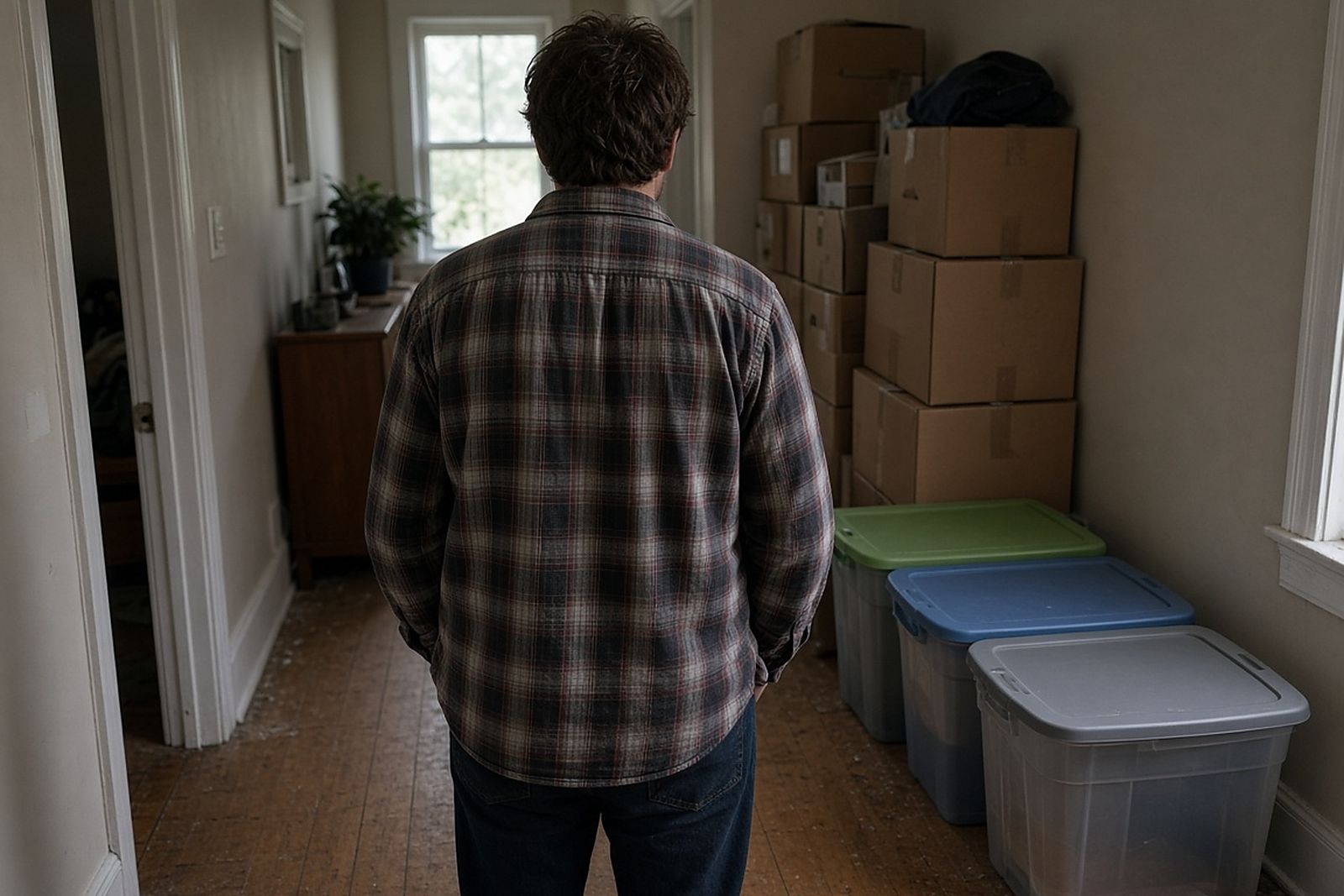
Person seen from behind in a hallway beside stacked boxes and three colored sorting bins
Illustrative photo, not a job record. Person seen from behind in a hallway beside stacked boxes and three colored sorting bins.
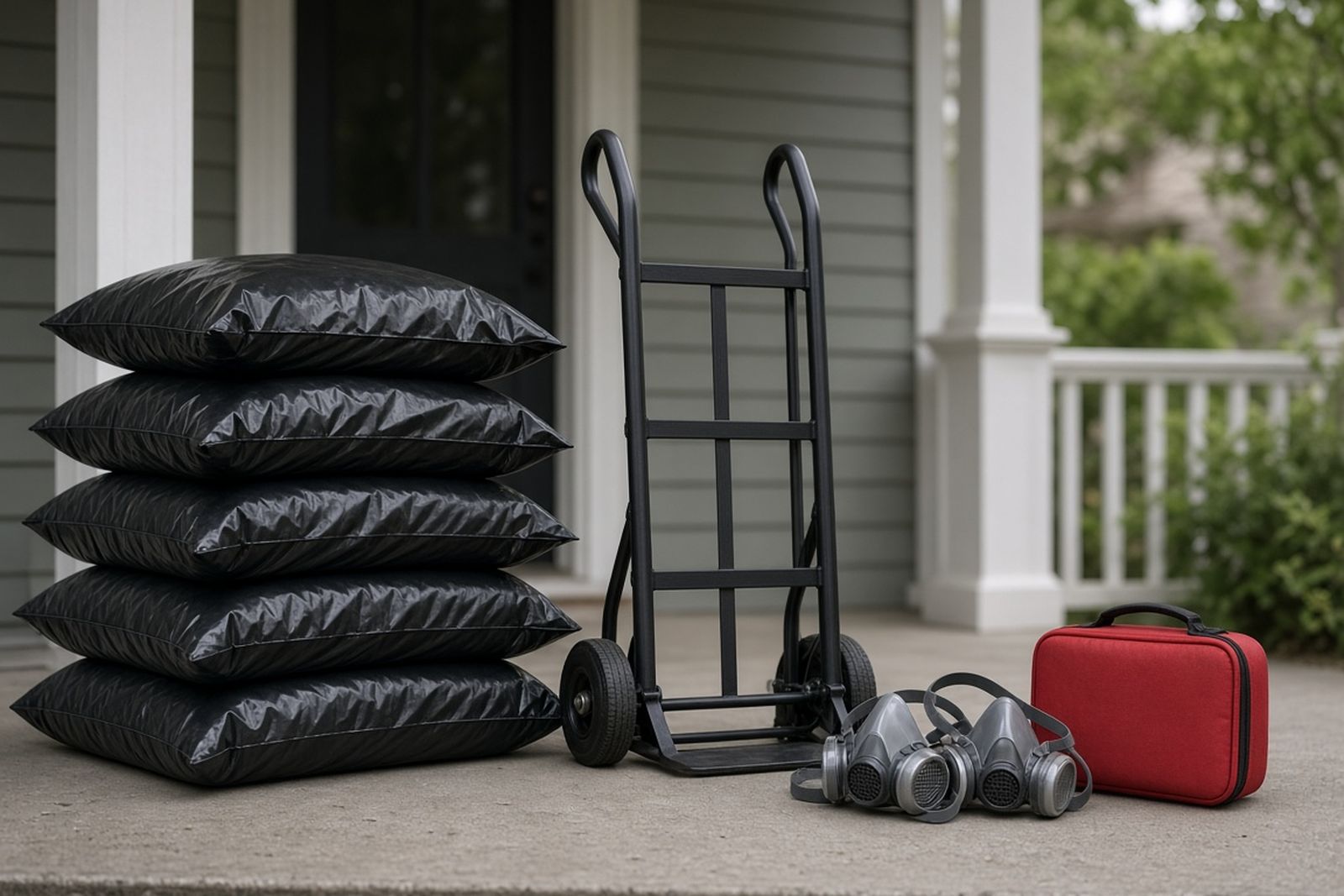
Contractor bags, a hand truck, respirators and a first-aid kit staged on a porch
Illustrative photo, not a job record. Contractor bags, a hand truck, respirators and a first-aid kit staged on a porch.

Hoarding Scene Cleanup figures to keep in mind

National and research figures, not Malibu data. Local conditions, rules and providers vary; use these for scale and context only.

22%

22% of screened clients met clinician-rated hoarding-disorder criteria.

Read with care: Housing-help sample; cannot estimate hoarding prevalence among all tenants.

Source: Rodriguez et al. (2012)115 clients seeking help from one NYC eviction-prevention organisation; 25 met hoarding criteria.

11

11 of 14 enrolled participants completed the nine-month intervention.

Read with care: Small uncontrolled study; no promise of avoiding eviction.

Source: Millen et al. (2020)14 adults enrolled in a nine-month adapted case-management intervention.

47%

47% of identified cases involved a known disability or vulnerability.

Read with care: Identified council cases; not all tenants; officer-reported characteristics.

Source: Porter et al. (2022)38 reported hoarding cases and 11 housing-officer interviews; English council, summer 2021.

These figures are public research and agency data, not this network's own job records. Keep each number with its population, year and limits; none of them predicts cost, timing or outcome at a specific property.

Plan before you reach out

Use the first 24 hours planner for immediate steps and the provider vetting checklist to confirm any Malibu provider's training, insurance and waste path in writing.

What research has found

Findings from published studies of people and properties in situations like this one. They describe what researchers observed in a specific group; they are not predictions for your case.

Administrative work compounded vulnerability during early bereavement.
Who was studied: 21 community-dwelling Australian widows aged over 65; serial interviews.Limits: Small selected sample; themes do not quantify all widows.The business of death: a qualitative study of financial concerns of widowed older women (2015)
Greater perceived severity was associated with fewer positive experiences.
Who was studied: 29 adults with relatives showing elevated hoarding symptoms.Limits: Small selected sample; relatives rated symptoms.Preliminary investigation of objective and subjective experiences of relatives of indivi… (2024)

Hoarding Scene Cleanup community polls

Poll results

Every count is a real visitor vote; nothing is seeded or padded. One vote per poll per device, and you can change your answer.

Your experience

If a relative's home had become unsafe, what would be your first step?

No visitor votes yet
Process

How much control should the occupant keep over what leaves the home?

No visitor votes yet

Planning cleanup in Malibu?

Send a short message about the property to the follow-up inbox. A coordinator can reply by email with next steps.

Your request is sent to the follow-up inbox. A coordinator can reply by email.

If anyone is hurt or in danger, call 911 first.