McLean, VA

Hoarding Scene Cleanup Planning in McLean, VA

What to do, who to contact, and what to ask in McLean.

McLean, VA hoarding cleanup help: open bedroom exits, check the basement workshop, plan for long shady drives, and let the owner decide what stays.

Get an email reply about hoarding scene cleanup

Send a short message to the follow-up inbox. A coordinator can reply by email. This form does not send emergency help; call 911 first if anyone is in danger.

Tell us what you need help with. Share a short description; please leave out medical details, access codes, and other sensitive information.

A request does not confirm a booking. For immediate danger, contact local emergency services.

Or email info@hoardingcleanup.online

The short answer for McLean, VA

In McLean, the trouble is often out of sight: a finished basement you can't walk through, or a long shady driveway where a dumpster won't fit. Open the exits from the sleeping rooms first. Then have the basement workshop checked, and give the executor or owner time to decide what stays. Fairfax County's health pages are a good place to ask.

What to do, step by step

  1. 1

    Follow the route from every bed to the truck

    Follow the route from every bed to the door and on to where the truck will park. Photograph the blocked spots in your halls. Buried smoke detectors are uncovered first. Hallway stacks that lean are taken down a little at a time. Tell the company whether it's working a wooded lot or a condo tower. The old trees off Dolley Madison Boulevard hide your house from the street. They don't help anyone get out of it.

  2. 2

    Plan for Chain Bridge traffic or the Tysons freight elevator

    On a long, shady drive, check that trucks can turn around without crushing roots or blocking the hydrant. In a building with many units, ask the crew to protect the halls and book the freight elevator. Your bags are filled indoors and loaded only during the agreed hours. Rush hour on Route 123 and Chain Bridge Road can delay your trucks, so plan a midday backup slot. Cul-de-sac neighbors just need the truck hours.

  3. 3

    Put the signer's name on the sorting rules

    Put the executor's or owner's name on the sorting rules before any bag goes out. If your parent still lives in the house, their wishes lead. Pressure to sell gives no one extra authority. Disputed medals and records wait in dated boxes. Family office staff may book vendors, and that's the limit of their role. Grown children flying in for a weekend should stay at the sorting table unless they have gloves and a fitted mask.

  4. 4

    Have the basement workshop checked and keep honest files

    Before your bags are pressed down, a careful crew looks for needles, basement workshop solvents, spoiled pantry food, and pet waste. Droppings in the basement and shed are wet down with disinfectant first, as CDC guidance advises. Wooded McLean lots invite mice and squirrels back, so ongoing nests call for a separate visit from a company that seals out pests. Wall-to-wall carpet goes on its own list for replacement bids. Keep the permission letters with your waste notes.

What cleanup is like in McLean

Shady cul-de-sacs off Dolley Madison Boulevard, wooded lots near Langley, and a smaller set of mid-rises near Tysons each hide piles in their own way. Your lot may have one narrow drive under old trees. A condo tower brings shared corridors and a common dumpster pad into play. Upstairs can look fine while the finished basement can't be walked through. A circular drive looks roomy until a dumpster blocks the fire truck's way in. Chain Bridge rush hours cut your curb time. Once piles leave the walls, humid summers swell cardboard against the plaster.

You can reach Fairfax County's health department and the state health department online. County offices give information only. They don't choose what goes from your home. The official pages help, but the signature of the person in charge of the belongings is still required. If you live in a condo, your board may set freight elevator rules. That doesn't make the board the one who chooses what happens to your personal things.

It's common here to have siblings in different states, an estate lawyer, and a disagreement over service medals or investment records. Ask for a modest goal for each room, and email photo batches to your siblings in other states. Your parent's pills and walker are set aside first. Droppings in the basement or shed get dampened and wiped, never swept dry. Once rooms are empty, rodent-proofing, flooring, and heating and cooling filter work go to other contractors. Counseling or treatment belongs with your parent's own doctors and therapists. It isn't something a cleanup team provides.

In McLean, the real limits tend to be distance and trees, not crowding. Wooded lots off Georgetown Pike and the cul-de-sacs around Chesterbrook often have long, shady driveways. A big dumpster there can crack pavers or block your only turnaround, so ask the hauler about smaller bins or trailer runs. A mid-rise unit near Tysons needs a freight booking and a building contact. Write both kinds of limits into your property file. Check anything about permits or fines with Fairfax County directly.
What to expect for your type of home

  • Homes on shady cul-de-sacs: The truck has to turn around without crushing roots. Settle the loading spot with the company before a truck idles on your street.
  • Colonials with a circular drive: A full loop can still trap a fire truck. Ask for a walkable path from each bedroom to the exit before the dens or garage bays are pulled.
  • Tysons-area condos and mid-rises: Get the board's move and vendor rules in writing. Sealed bags should go straight to the freight elevator, never into a shared stairwell.
  • Homes with a basement workshop: Solvents and sharp tools collect down there. Ask for a separate sweep of the workshop for chemicals and sharps, before any bags are packed.
  • Lots with a detached shed: Mice and squirrels come back to wooded lots. Ask for the shed to be swept apart from the house, and for nests to be noted.
  • Homes with a finished basement den: If the floor gives, drywall cracks, or a door begins to stick, ask the crew to stop pulling stacks in that room.

Papers and records to keep

  • Proof that the McLean house or condo is yours to clear, and the executor's or owner's name
  • Pictures of your upstairs and basement exit routes at the start and finish
  • A sketch of the way bags left: shady cul-de-sac, circular drive, or freight elevator
  • The sorting rules, initialed by the executor or owner
  • A log of how needles, paint, and workshop chemicals were packed and where each went
  • Notes on mice, squirrels, or basement damp, flagged for an expert
  • A dated list of boxed service medals, uniforms, and records under review
  • Driveway, tree, and turnaround notes for your lot, with the repair work still left

Local offices and official help

Common questions in McLean

Why can't one plan cover both a cul-de-sac house and a Tysons mid-rise?

Because they fail in different places. A house struggles with a narrow drive under trees and a tight turnaround. A mid-rise hinges on booking the freight car and sharing a trash pad. A plan written for a wooded lot won't fit a Tysons condo tower, and forcing it can block exits. Tell the company which you have. It should photograph the path bags will travel and book the driveway space or the elevator first.

Does our Tysons condo board get a say in what we throw away?

No. In Tysons-area condo buildings, the board or management sets rules about elevator time, loading hours, and vendor insurance. Those are logistics. Only the unit owner or their legal representative can choose what's thrown away. Ask the board for its written rules. When the work is done, you can share before and after photos and a disposal record. Building notices should give dates and hours only.

Our family is spread around the Beltway and beyond. How do they approve what goes?

Email photo sets grouped by type, and ask for replies within an agreed number of days. Box anything unanswered with a date label. On day one, find and secure prescriptions, passports and IDs, federal pension or benefits mail, and any walker or cane. A sibling's text saying to toss everything isn't enough. Wait for the executor, trustee, or owner to confirm in writing.

When should work stop in the finished basement den?

When the floor flexes, cracks spread out from heavy stacks, or a door that used to close now sticks. These signs mean an expert should look. They don't mean your house is failing. Everyone stays off that part of the floor until a licensed structural engineer has seen it. Ask for photos. Rooms elsewhere in the house with safe exits can go on with an adjusted schedule.

What does "finished" mean for a McLean home?

Safe means every bedroom has a clear route out and you can reach the bathrooms. Hazardous waste is packed and gone, and hard surfaces in cleared rooms are clean. Comfortable may still call for new carpet, drywall repair, rodent-proofing, and fresh heating and cooling filters. Never call the home county-approved unless Fairfax County really issued something saying so.

We found old government work files and a badge. What should we do?

Don't read, copy, or throw out anything that looks official. Many McLean residents have worked in government, defense, or intelligence roles, and a home may hold old work files or badges. Set them aside in a sealed box. The person with authority over the home can contact the right agency or a security officer about proper handling. Personal records like retirement or benefits papers stay with your other important documents.

How do we plan around school and commuter traffic?

Aim for mid-morning or early afternoon on weekdays for truck deliveries and pickups. McLean streets get heavy traffic at school drop-off, at pickup, and at rush hour. If children live in the house, ask for their rooms to be finished first so school mornings stay normal. Summer can be easier to schedule. Hot, humid weather does mean more breaks for anyone working.

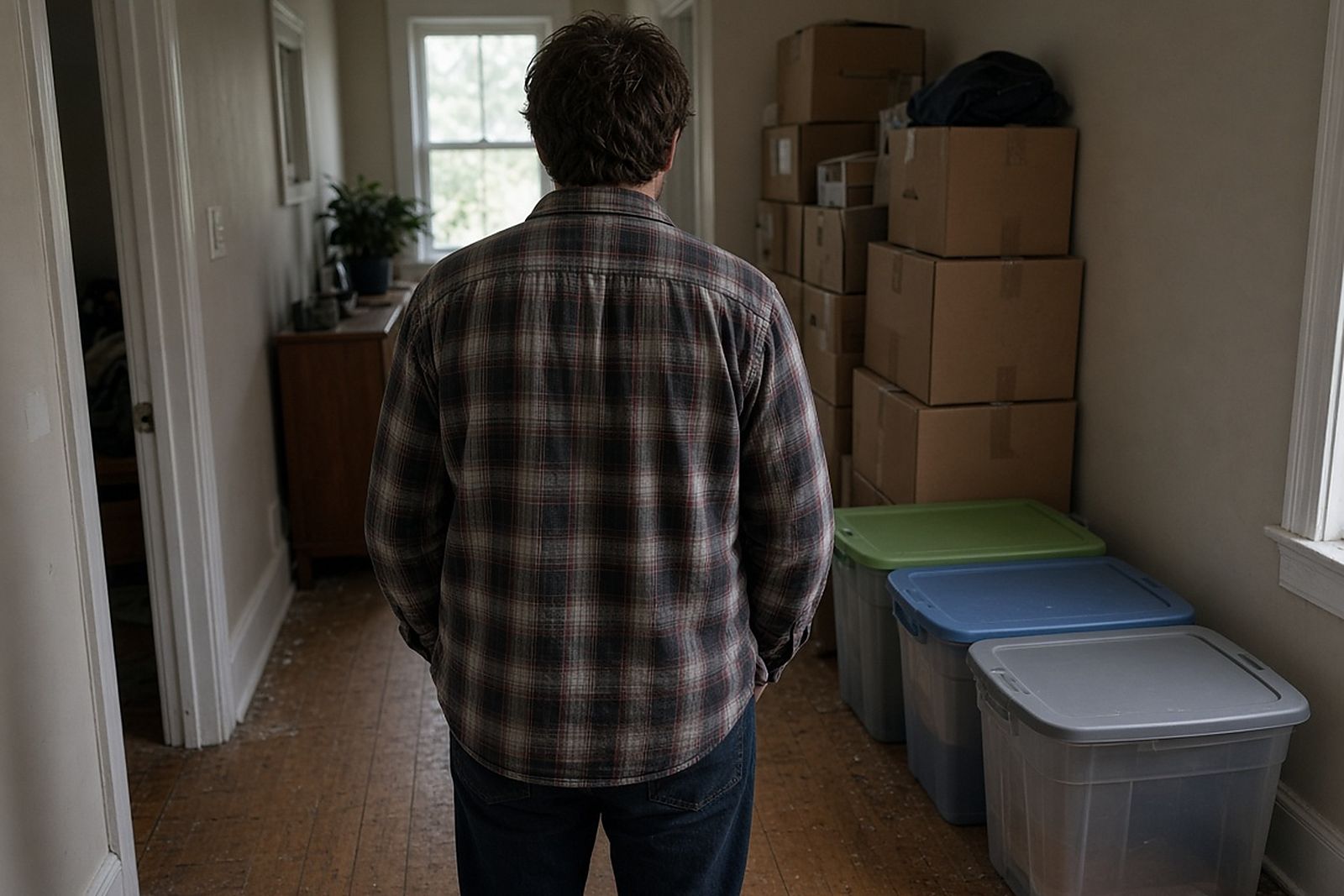
Person seen from behind in a hallway beside stacked boxes and three colored sorting bins
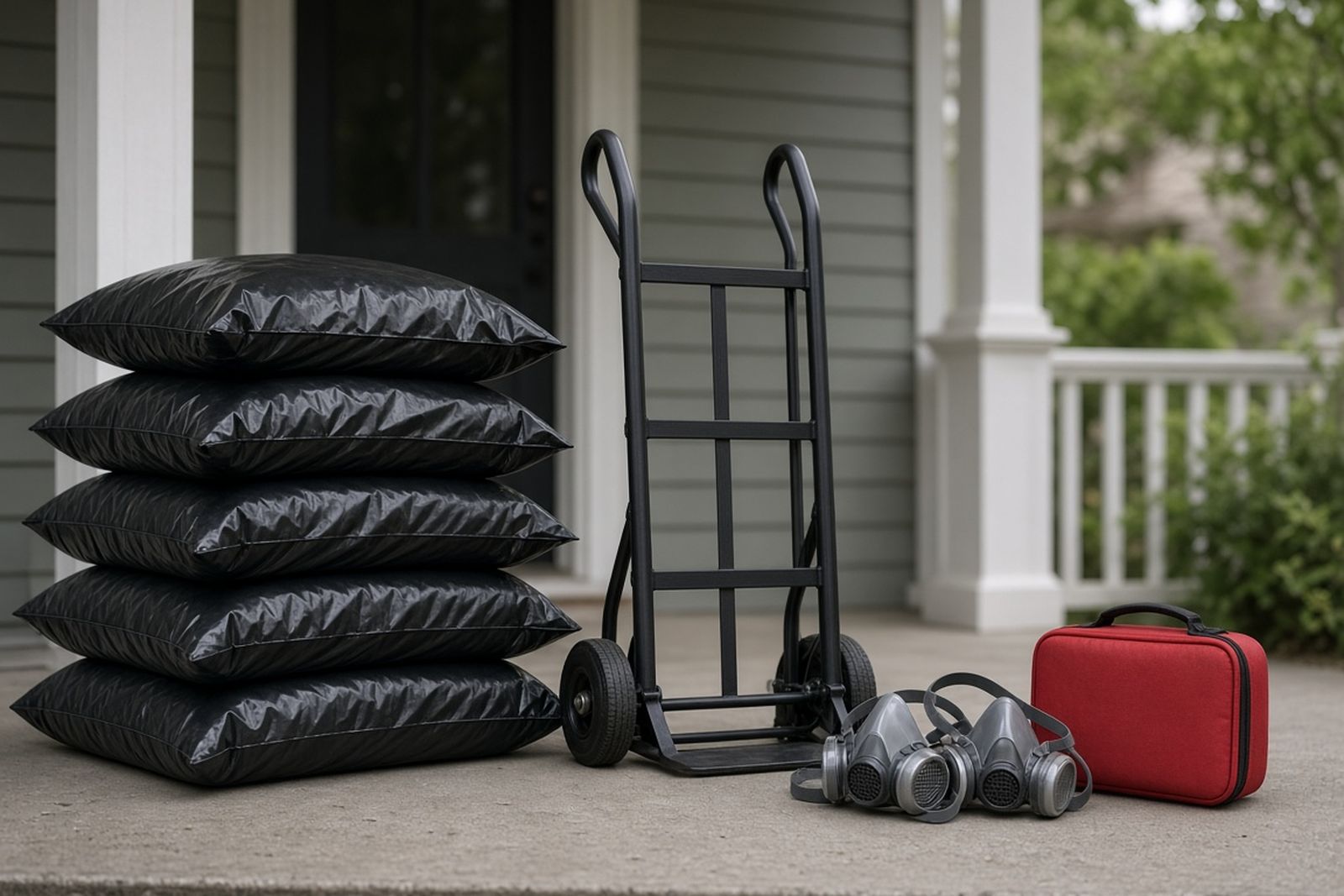
Contractor bags, a hand truck, respirators and a first-aid kit staged on a porch

Facts worth knowing

  • In focus groups with 17 English housing, health and care professionals, participants said forced clear-outs were traumatic for some residents.

    Why it matters: A forced clear-out can do harm, so you may want a company that works at the person's pace where safety allows.

    Source: Haighton et al., 2023

  • In a large online survey, 8–12% of people who hoard and their family members reported an eviction or eviction threat due to hoarding.

    Why it matters: If you rent, hoarding may lead to an eviction notice, so ask your landlord exactly what must be fixed and by when.

    Source: Tolin et al., 2008

  • In a small study of 14 adults in a nine-month case-management program, those who finished reported only a modest drop in hoarding severity.

    Why it matters: Expect slow progress, and plan for ongoing support for your relative or tenant rather than a quick fix.

    Source: Millen et al., 2020

Tools that help right now

What would you do?

Poll results

Vote to see how other people answered. You can change your answer at any time.

Your experience

If a relative's home had become unsafe, what would be your first step?

Be the first to vote
Process

How much control should the occupant keep over what leaves the home?

Be the first to vote

Need help in McLean?

Send a short message about the property to the follow-up inbox. A coordinator can reply by email with next steps.

Your request is sent to the follow-up inbox. A coordinator can reply by email.

If anyone is hurt or in danger, call 911 first.