Palm Beach, FL

Hoarding Scene Cleanup Planning in Palm Beach, FL

What to do, who to contact, and what to ask in Palm Beach.

Palm Beach, FL hoarding cleanup help: reopen exits in the house and staff loft, time hauling to the bridges, and let the trustee's paperwork lead.

Get an email reply about hoarding scene cleanup

Send a short message to the follow-up inbox. A coordinator can reply by email. This form does not send emergency help; call 911 first if anyone is in danger.

Tell us what you need help with. Share a short description; please leave out medical details, access codes, and other sensitive information.

A request does not confirm a booking. For immediate danger, contact local emergency services.

Or email info@hoardingcleanup.online

The short answer for Palm Beach, FL

On the island of Palm Beach, every truck crosses a bridge, and staff lofts on the Lagoon side may still be slept in. Start with an exit for each overnight sleeper. Then time the hauling to quieter bridge hours, protect the coral gravel, and let the trustee's paperwork set the pace. County and Florida health pages can help.

What to do, step by step

  1. 1

    Chart the way out of the Lagoon loft and the main house

    From each person who sleeps on the property, staff lofts included, walk to the outside door. Then walk to the gated entrance. Photograph each spot you can't get through. Have every smoke detector uncovered. Leaning stacks are eased back. If a floor bends, the pulling stops. Your tall ficus hedges may keep the work private. They do nothing for a blocked back door.

  2. 2

    Time each move to the Flagler and Royal Park bridges

    Your loads are sealed inside first. They then move during quieter bridge and gate hours, with the hydrant left clear. Ask for the generator room and pool equipment area to be checked for hazards on their own pass. Plan a backup coral gravel pad too, in case Worth Avenue event traffic takes the entrance you wanted. Gift items stay inside your house until they've been looked over.

  3. 3

    Name the trustee in writing and hold the trophies

    Name the person with legal say in writing. That isn't the steward with a spare key. Your relative's medicine, glasses, and passport are secured before any sorting starts. Boating trophies in dispute go into dated trays with pictures. Heirs up north get photos with a deadline, and items without a reply stay put. Estate staff or family without masks and gloves should leave rat nests to the crew you hired.

  4. 4

    Ask for a wrap-up that fits the salty island air

    When your rooms are empty, a good crew cleans the marble and tile, and lists mildewed drapes or upholstery for the trustee. If salt-damp walls reveal stains, expect a pest sealing visit and a moisture check to be recommended, each booked on its own. "Ready to move back in" means open exits and packed waste. It isn't a finished remodel. Don't accept a made-up town clearance badge. A bill for scent by the Lagoon proves nothing was cleaned.

What cleanup is like in Palm Beach

With mansions facing the Atlantic and staff wings on the Lake Worth Lagoon side, every bag from your home has to work around traffic on the Flagler and Royal Park bridges. There are gated entrances along the Intracoastal, and some cottage lofts are still slept in. Piles can seal off a back bedroom while the ocean lawn looks fine for a listing. Salt air and subtropical damp swell cardboard and pit hardware once piles leave the walls. Event weekends on Worth Avenue wipe out legal staging space on the roads onto the island. Expect the schedule to follow the bridges.

The state health department's Palm Beach County office is your local contact for sanitation questions. County pages add property background that trustees expect to see. Agencies don't label anyone in your household, and they don't run a keep-or-let-go booth. A house steward's key ring doesn't give anyone the power to discard. That power belongs to the trustee or owner, in writing. If your relative still lives in the house, the letter should start with what they want.

Owners up north, sibling trustees, and seasonal house stewards often disagree about boating trophies, guest linens, and decades of ledgers in the den. On the island, your work moves in modest daily amounts, timed to quieter bridge hours. Ask for review trays that stay cool and dry until the cardboard goes out to your coral gravel. Roof rats are common here, so their droppings are soaked before cleanup. After your bags leave, pest-proofing and work on clammy rooms are booked as later jobs.

On the island, the bridges and the season shape every plan you make. Trucks reach Palm Beach over just a few bridges, and winter traffic is heavy. Many estates are closed for months, so humidity can build in shuttered rooms before anyone notices. Town rules on contractor hours, where bins can go, and landscaping can be strict. Ask the Town of Palm Beach before you book a bin. Write the access limits, the seasonal timing, and any association rules into your property file.
What to expect for your type of home

  • Atlantic-facing main houses: The ocean lawn tells you nothing about the back bedrooms. Ask for the exits of everyone sleeping in the main house to be charted before the trophy rooms.
  • Guest wings: A guest wing needs its own exit check. Ask for written reply times when your relatives far away approve discards from photo batches.
  • Staff lofts on the Lagoon side: Someone may sleep there in season. Put the loft and its stair on the first walk, and ask for photos of the route.
  • Estates with coral gravel pads: The pad and the gated Intracoastal entrance limit the bin. Ask the company to time moves for quieter hours on the Flagler and Royal Park bridges.
  • Estates with a generator bay and pool house: Fuel and pool chemicals are their own zone. Ask that they stay apart from the paper in your living areas.
  • Older island houses: Stored weight strains old floors. If a floor sags or a door starts to stick, ask the crew to stop there, and keep ledger sorting inside.

Papers and records to keep

  • The trustee's signed rules for what is kept, gifted, let go, or sent for special disposal
  • Escape photos for sleepers in the Atlantic house and the loft by the Lagoon
  • A log of your Flagler and Royal Park bridge times, plus a backup coral gravel pad
  • A separate hazard list for the generator room and pool house
  • What the sealed tote holds: passport, pills, phone, and glasses
  • A list of the trays holding boating trophies and ledgers in dispute
  • A record of what left the island and where it went
  • Bridge timing, the town's contractor hour notes, and repairs left for the estate

Local offices and official help

Common questions in Palm Beach

Why do the staff lofts on the Lagoon side go on the escape plan?

Because someone may sleep there during the season. Many Palm Beach estates have staff quarters or guest lofts on the lake side of the property. Each needs a clear path outdoors, just like the main house. Have each building toured on day one. Buried alarms get uncovered, and the routes are photographed as they are and once opened. The keepsakes can wait.

How should bridge traffic change our hauling times?

Plan loading for quieter weekday hours. Trucks reach Palm Beach over a few bridges, and winter traffic, bridge openings, and events near Worth Avenue can cause long delays. Bags stay sealed inside until the truck arrives. Pick a backup staging spot on your drive, and check with the town about contractor hours. Open piles should never sit outside overnight.

Can our steward discard trust property?

No. An estate manager can schedule the work, and a vendor calendar is only logistics. A signed letter from the trustee, executor, or owner is still needed before anything is thrown out. Silver and ledgers in dispute go into dated trays. Prescriptions go into the sealed tote first. When authority is unclear, the disputed pieces wait for your family's lawyer.

How do we keep generator fuel away from the sorting indoors?

Day one includes a check of your generator room and pool house. Many Palm Beach estates keep a generator and pool equipment, which means fuel, chlorine, and other chemicals are stored on site. They're packed in their original containers, apart from linens, clothing, and photos. Palm Beach County has household hazardous waste drop-off options. Donations stay inside until someone has looked them over.

Our house is in plain view on Ocean Boulevard. How do we keep this private?

Ask for loading in quieter weekday hours, with bags sealed and out of sight. Along Ocean Boulevard, neighbors and passers-by notice trucks. A service entrance or side drive helps when you have one. Exits from any staff cottage or lake-side loft still get cleared before keepsakes are sorted. For sanitation questions, the Florida Department of Health's county office can help.

The house has been closed for the summer. What should we do first?

Have your caretaker open it, check the air conditioning, and look for leaks. Many Palm Beach estates are closed from late spring until the winter season. The heat and humidity can lead to mold, mildew, and pests, most of all in staff quarters and storage rooms. Dry the home out before heavy sorting begins. Wear a mask in any room that smells musty.

Our staff have worked in the home for years. How do we include them?

Bring them into the planning where it fits. Longtime housekeepers, drivers, and estate managers may have strong ties to your relative and the home, and they often know where important items are kept. Be clear that only the owner or trustee can approve discards. If their role is changing because of the cleanout or a sale, have that talk separately and with care.

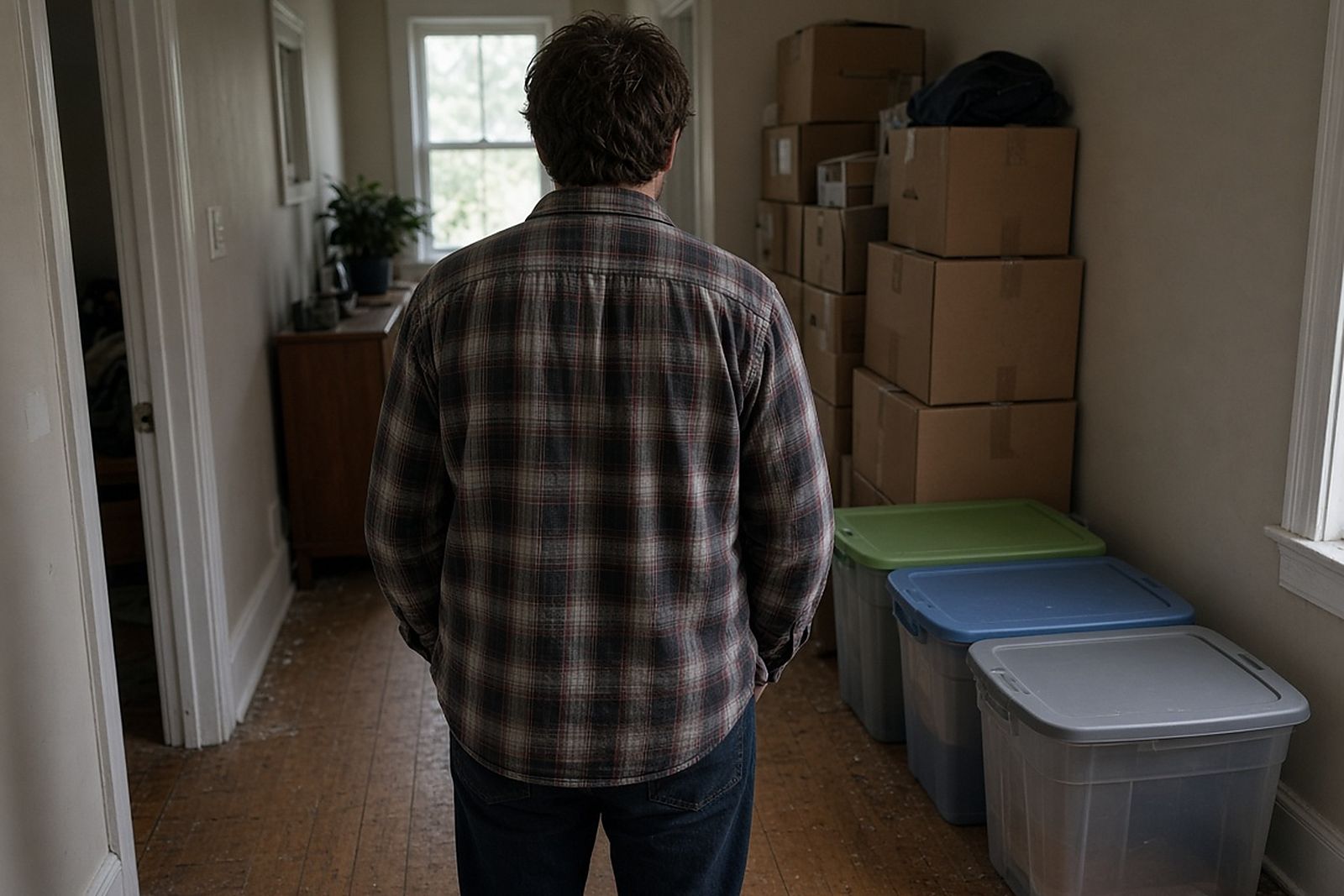
Person seen from behind in a hallway beside stacked boxes and three colored sorting bins
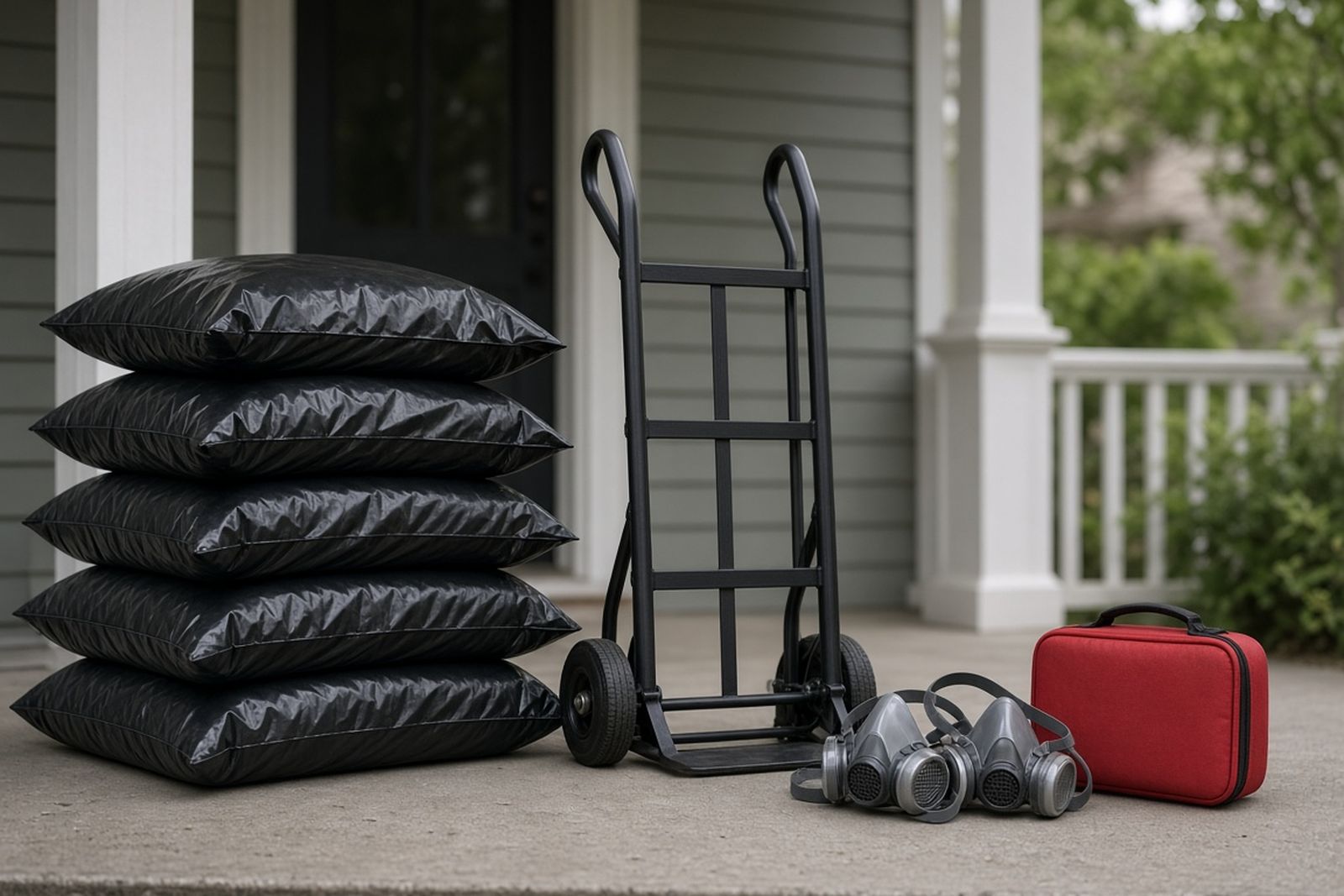
Contractor bags, a hand truck, respirators and a first-aid kit staged on a porch

Facts worth knowing

  • In a small UK interview study, rent that kept being charged pushed bereaved relatives to clear belongings before they felt ready.

    Why it matters: Ask the landlord when rent stops and get the answer in writing, so you know how long you really have.

    Source: Hansford et al., 2022

  • In a study of 12 people with hoarding disorder in Singapore, having belongings removed without their involvement caused distress and anger.

    Why it matters: If you are helping a relative, involve them in deciding what goes, and ask the company how they do this.

    Source: Subramaniam et al., 2020

  • Only 26% of hoarding homes in a Melbourne, Australia fire study had a working smoke alarm.

    Why it matters: Check that your smoke alarms work today; it is a small step you can take before any cleanup begins.

    Source: Worcester Polytechnic Institute / Metropolitan Fire Brigade (Lucini, Monk & Szlatenyi), 2009

Tools that help right now

What would you do?

Poll results

Vote to see how other people answered. You can change your answer at any time.

Your experience

If a relative's home had become unsafe, what would be your first step?

Be the first to vote
Process

How much control should the occupant keep over what leaves the home?

Be the first to vote

Need help in Palm Beach?

Send a short message about the property to the follow-up inbox. A coordinator can reply by email with next steps.

Your request is sent to the follow-up inbox. A coordinator can reply by email.

If anyone is hurt or in danger, call 911 first.