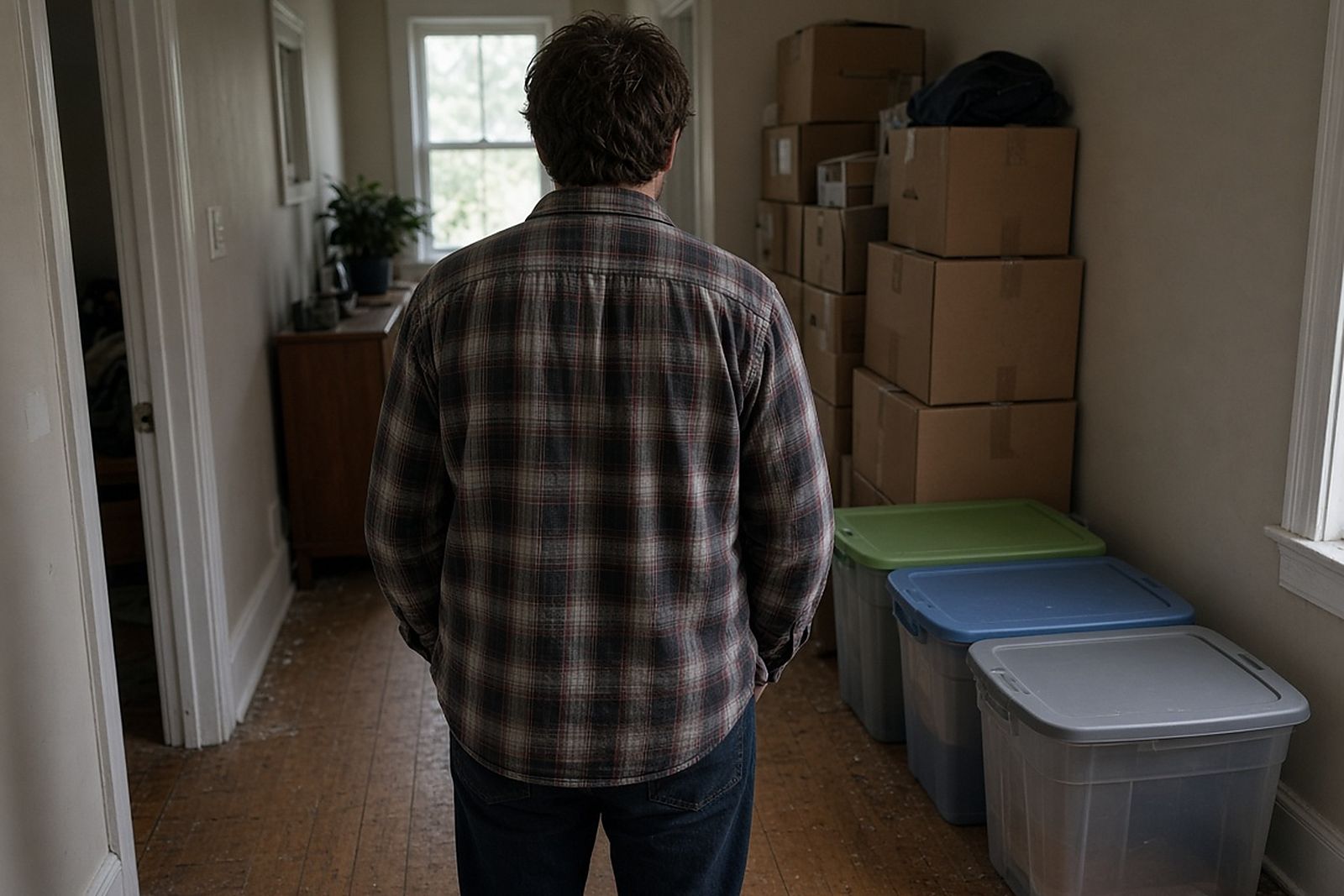
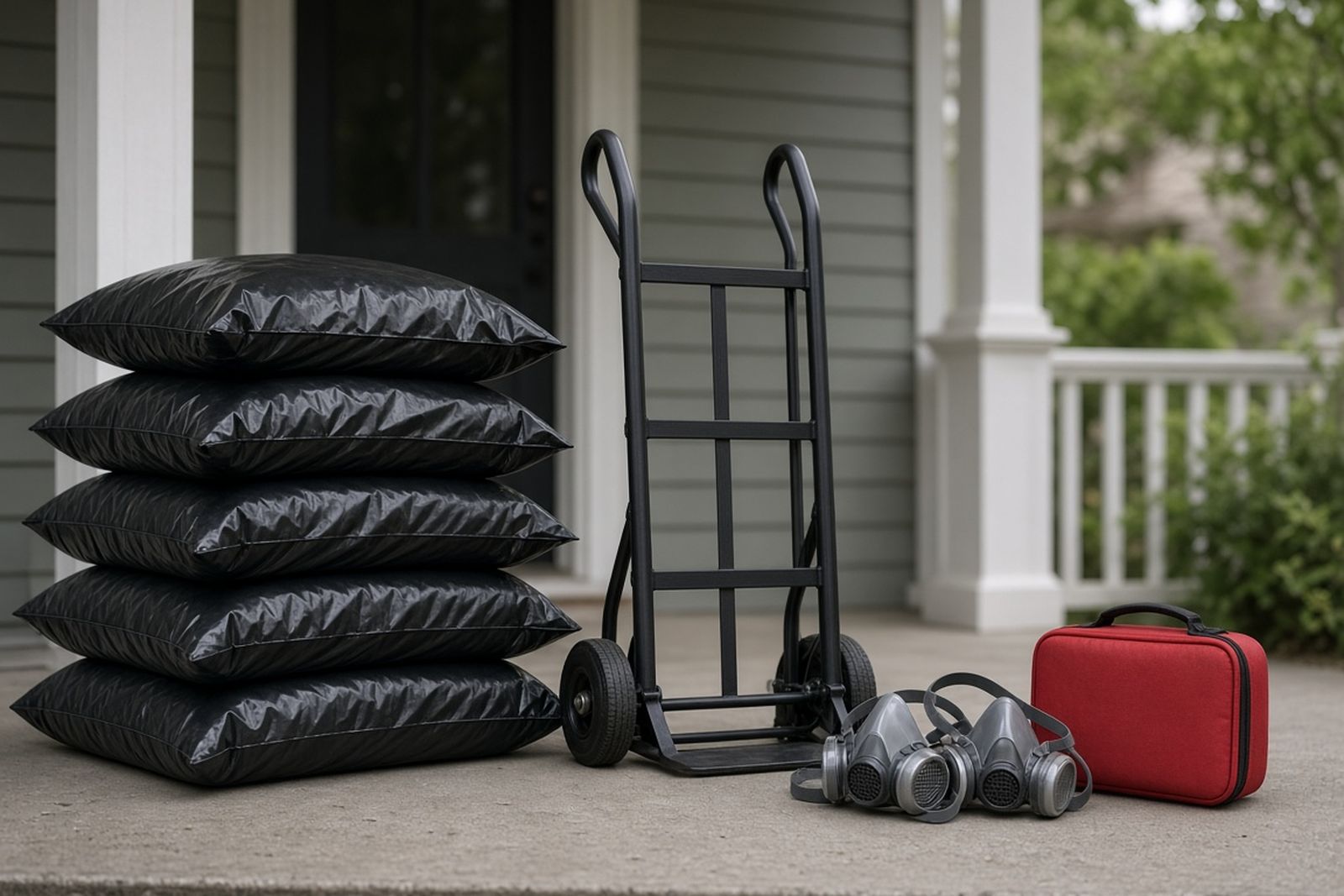
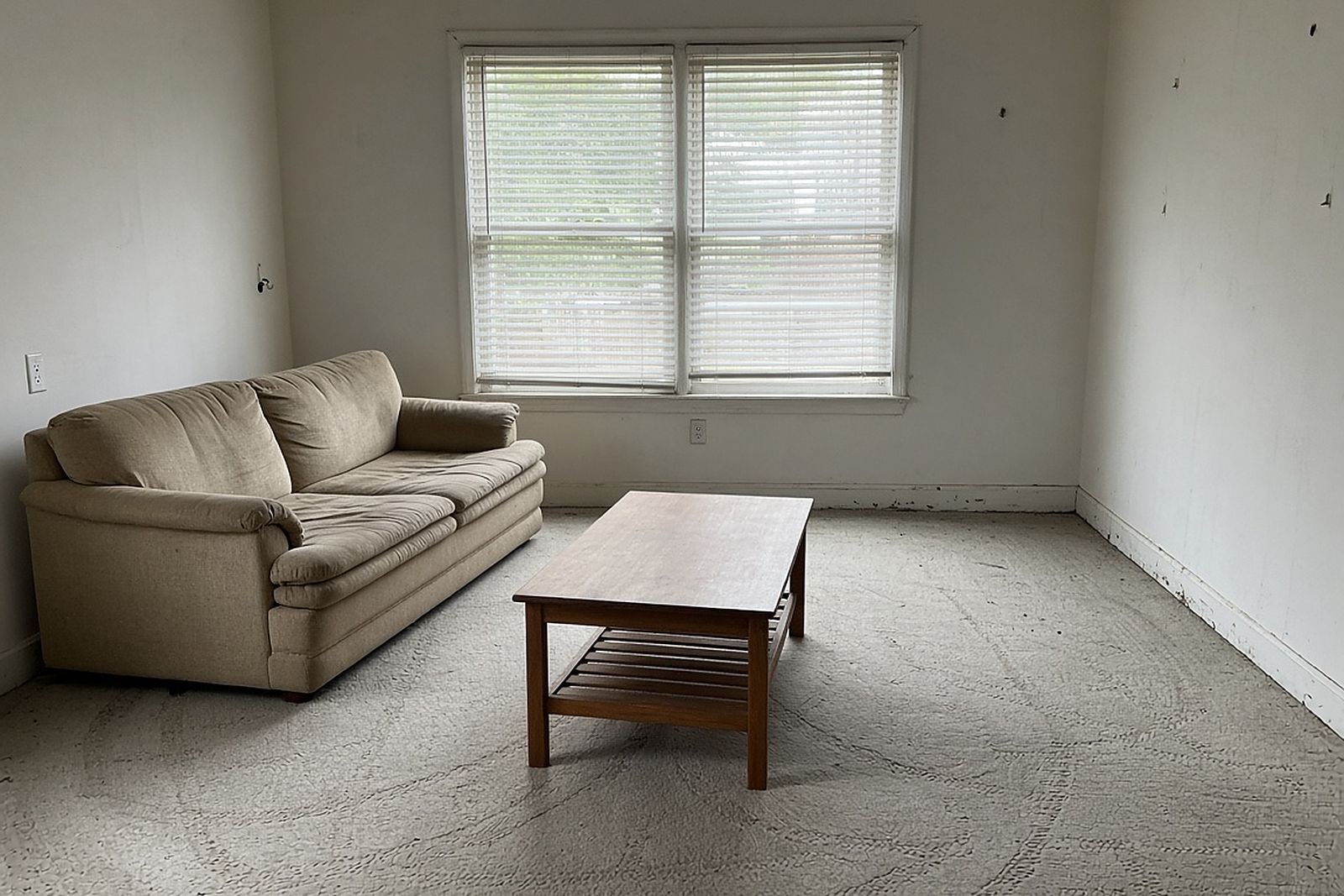
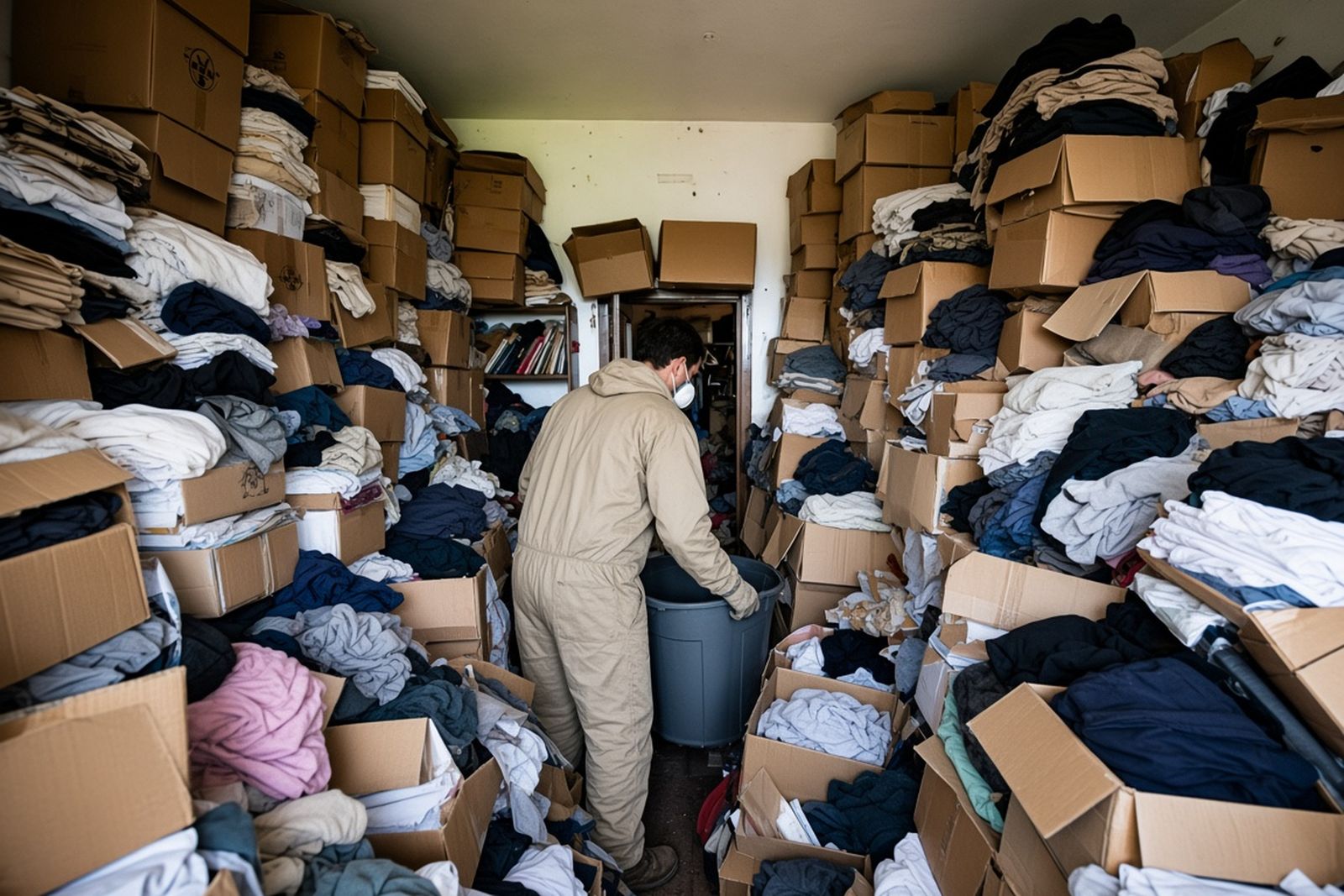
Railroad flats on the parlor floor near Eastern Market, co-op shares in Dupont, and small homes on alleys can hide a blocked back bedroom behind a tidy front. Shared walls let odor and pests pass between your home and the next one. A vault under the stairs or a trash room chute can serve as a back route that never touches your front hall. Red Line boarding, school dismissals, and alley trash times cut the time you have to move things. Mid-Atlantic dampness swells boxes against plaster, and storm windows trap stale air in closed dens.
DC Health and FEMS can help you with questions about blocked exits, things that could burn, and health in the home. DOEE covers waste topics that many boards already expect you to know. None of those offices labels people or sorts their things. Your super's key ring doesn't give anyone the power to throw things out. Only the person with legal authority over the home can approve discards, and that approval should be in writing.
When a District home is being sold, relatives in other states, an estate lawyer, and a co-op board may all be waiting on you. Go slowly anyway. Sort at tables inside, and crate service medals, immigration records, or photo albums in dispute, with dates. On the first visit, gather your relative's medicine, glasses, ID, and cane into one sealed box. Rats are common in District alleys, so droppings get soaked with disinfectant and never swept. Once the home is cleared, plaster work, floors, and rat-proofing each go on your list as a separate job.
District cleanups reach well beyond Capitol Hill and Dupont. Your home might be an alley mews in Navy Yard, a walk-up along the H Street corridor, or a Georgetown house with a basement near the canal. It might have stacked porches in Petworth, or sit by the freight docks on the Southwest waterfront. Each one changes how your bags leave and how long the work takes. Tell the company your neighborhood and building type in the first call, and ask whether it has worked on a block like yours.
District row houses bring their own limits. Many have no driveway, so loading happens from the street or a back alley. Alleys in Capitol Hill, Shaw, and Petworth can be too narrow for a large truck. A dumpster on public space may need a permit from the city's transportation agency, so check with the District before you book one. Co-op and condo buildings add board rules about elevator time and weekday hours. Write these limits into your property file, and take any permit or fine question straight to the District government.