Hoarding Scene Cleanup: Process & What to Expect
Property-specific walkthroughs for hoarding scene cleanup: assessment, scope approval, hazard controls, material decisions, documentation, verification, and restoration handoff. Not every phase applies to every incident.
Posts in this category follow a hoarding cleanup from the first phone call to the final walk-through. That way you know what each stage looks like before it comes. You will read about the first check of exits and floors and how sorting groups are set up with the person. You will learn why crews often clear a path before touching anything else. You will also learn what happens when a room turns up animal waste or old medical supplies. Knowing the order of steps helps you plan time off work and find a place for the person to rest. It also helps you set expectations with siblings who may picture a one-day cleanout.
Get an email reply about hoarding scene cleanup
Send a short message to the follow-up inbox. A coordinator can reply by email. This form does not send emergency help; call 911 first if anyone is in danger.
These articles also explain the pauses that make a project feel slower than expected. A crew may stop to pack needles safely. It may wait for the person to decide about a box of photos. It may call in pest control before a bedroom can be opened. Seeing those stops as part of a careful process, not a delay, helps you judge whether a provider is working responsibly. It also gives you words to ask for updates without pressuring the person whose things are being handled.
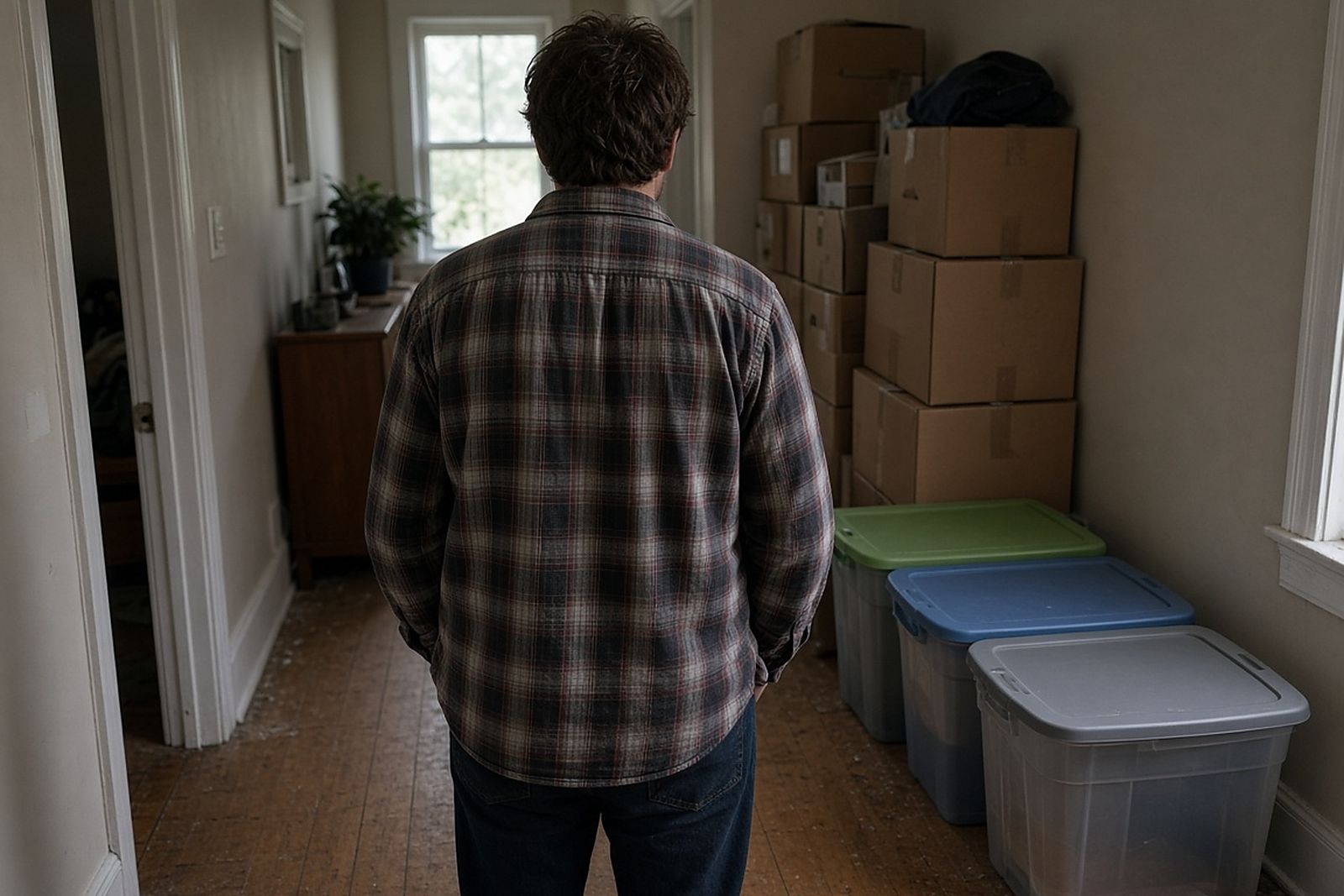
What to Expect During Professional Hoarding Scene Cleanup
Consent conversations, safe pathways, keep and discard piles, hidden hazards and a deep clean: what a respectful hoarding cleanup looks like day by day.
A professional hoarding scene cleanup usually begins with a safety walkthrough and a conversation about goals and consent, then opens safe pathways, sorts belongings room by room with the occupant into keep, donate, discard and biohazard categories, handles hidden hazards such as waste, pests and mold, removes debris in separate streams, and finishes with deep cleaning and a plan to keep the home safe.
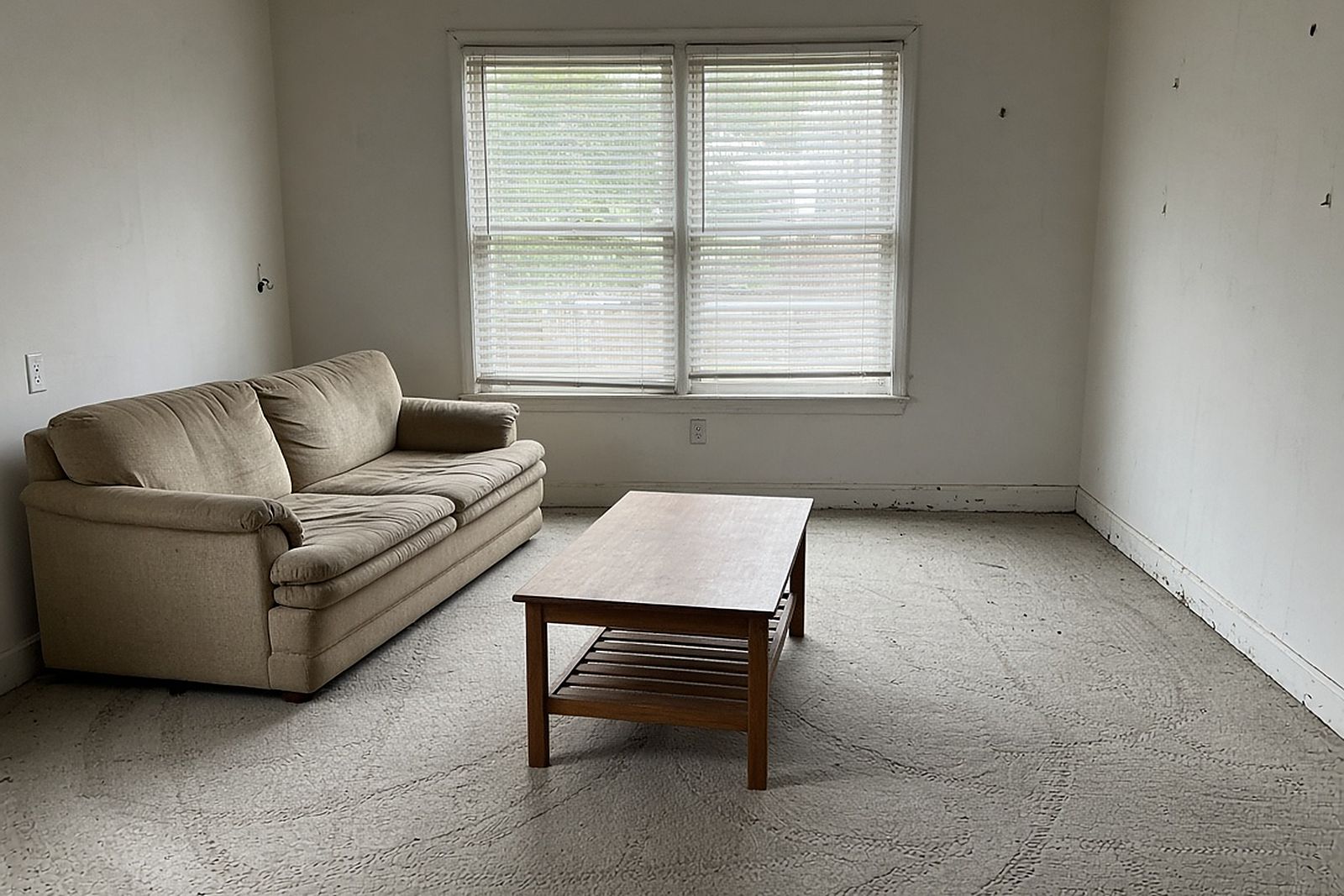
How Long Does Hoarding Scene Cleanup Take?
Volume, sorting decisions, biohazards, pests, structural damage and the resident's pace all decide how long a hoarding scene cleanup takes. Plan around them.
Hoarding scene cleanup can take anywhere from a single intensive visit to a series of sessions spread over weeks. The biggest factors are the volume of material, how much sorting the resident wants to do, whether biohazards, animals or pests are present, the condition of the structure, and deadlines from landlords or code enforcement. A pace the resident can tolerate often produces a more lasting result.
Urgent Hoarding Scene Cleanup: What to Do Before a Provider Arrives
A fall, a code notice or a failed welfare check can make a hoarding situation urgent overnight. Here is what to do before a cleanup crew arrives.
When a hoarding situation becomes urgent, first make sure the occupant is safe and has any medical care they need. Then focus on immediate hazards such as blocked exits, gas or electrical risks and spoiled food, keep the person involved in decisions, avoid mass discarding, read any official notice carefully, and gather the information a hoarding cleanup provider will need to plan a safe, respectful response.
Sourced figures on process & what to expect
- 5-fold
Hoarding participants had a five-fold higher rate of mental health service use than comparison women and were nearly three times as likely to be overweight or obese as family members.
Read with care: Cross-sectional associations, not causation.
Source: Psychiatry Research (Tolin et al.) (2008)Comparison with National Comorbidity Survey participants
- 24% of preventable fire deaths
Over ten years, 48 hoarding fires in Melbourne were only 0.25% of residential fires but 10 were fatal, accounting for 24% of all preventable residential fire deaths.
Read with care: Australian data; hoarding fires were likely under-identified in records.
Source: Worcester Polytechnic Institute / Metropolitan Fire Brigade (Lucini, Monk & Szlatenyi) (2009)Melbourne Metropolitan Fire District, Australia, roughly 1999–2009
- 157.4 per 10,000
Janitors and cleaners in private industry had 157.4 nonfatal injuries and illnesses involving days away from work per 10,000 full-time workers in 2019.
Read with care: Counts only cases with days away from work and does not isolate injuries from chemical or biohazard exposure.
Source: BLS (2019)United States, private industry, janitors and cleaners except maids and housekeeping cleaners
These figures are public research and agency data, not this network's own job records. Keep each number with its population, year and limits; none of them predicts cost, timing or outcome at a specific property.
What research has found
Findings from published studies of people and properties in situations like this one. They describe what researchers observed in a specific group; they are not predictions for your case.
Those raised with a hoarding relative reported more arguments with parents.
One bereaved participant did not feel ready to enter the property after a traumatic death.
Process & What to Expect: common questions
How long does a typical hoarding cleanup take?
The length depends on the size of the home, the amount of stuff, the hazards found, and how quickly the person is comfortable deciding. Some projects move room by room over several visits. Others run straight through over a stretch of days. A provider should give you an estimate for each stage. They should explain what could make it longer, such as damage to the house or biohazard finds, instead of promising a finish date.
Does the occupant need to be present during the work?
Not always. But many providers prefer that the person or someone they have chosen to decide for them be available for sorting choices. Some people find it easier to be there only for certain rooms or for set times each day. Talk about what feels manageable ahead of time. Agree on how choices will be handled when the person steps away, so nothing personal is thrown out without consent.
What happens to items marked for donation?
Donation items are usually set aside and checked for pests and odor. Then they are taken to charities that have agreed to accept them. Not every item that seems useful will qualify. Many groups turn down anything that might be dirty or carry pests. Ask the provider which charities they work with and whether you will get a record of what was donated.
What is the first thing a provider does when arriving at a hoarded home?
Most begin with a conversation and a walkthrough. They meet the occupant or representative, talk about goals and concerns, and look for hazards such as blocked exits, damaged floors, moisture, animals, and signs of sharps. From that visit they build a written plan with phases. Hands-on work usually starts only after that plan is discussed and agreed.
Can the process start with just one room?
Yes, and many successful cleanups do. Starting with a single room, often the kitchen, bathroom, or path to an exit, lets the occupant see the process, build trust with the crew, and experience a positive change. That early success can make later phases easier. Ask the provider to scope and price the first room separately so you can decide on next steps afterward.
How do families stay informed while the work is underway?
Agree with the provider at the start on who receives updates, how often, and in what form, such as a short daily message or a weekly call. Updates should mention what was completed, what was found, and any decisions needed. One family contact who shares information with others helps prevent mixed messages to the crew and the occupant.
What does a finished hoarding cleanup usually look like?
It depends on the goals agreed at the start. Often it means clear exits and paths and a kitchen and bathroom that work. Surfaces are cleaned and sanitized. The things the person chose to keep are organized where they can reach them. There is also a list of repairs or follow-up needs. It rarely looks like an empty, staged house, and it should still feel like the person's home.
Related community polls
Every count is a real visitor vote; nothing is seeded or padded. One vote per poll per device, and you can change your answer.
If a relative's home had become unsafe, what would be your first step?
How much control should the occupant keep over what leaves the home?
More on hoarding scene cleanup
Hoarding Scene Cleanup services
Learn how a first look at the home, sorting with consent, biohazard handling, and deep cleaning fit together in a step-by-step plan.
Costs explained
What drives the price, published cost ranges, and how to read a written quote line by line.
Insurance and payment
Which policies may respond, how to document a claim, and what to do if coverage is denied.
Planning tools
Use planners made for families and caseworkers. Sort out costs, questions for providers, insurance steps, first-day actions, waste types, and DIY risk.
Community polls
See how relatives, landlords, people who hoard, and professionals think about consent, pace, and agency help. Compare your own gut feelings with theirs.
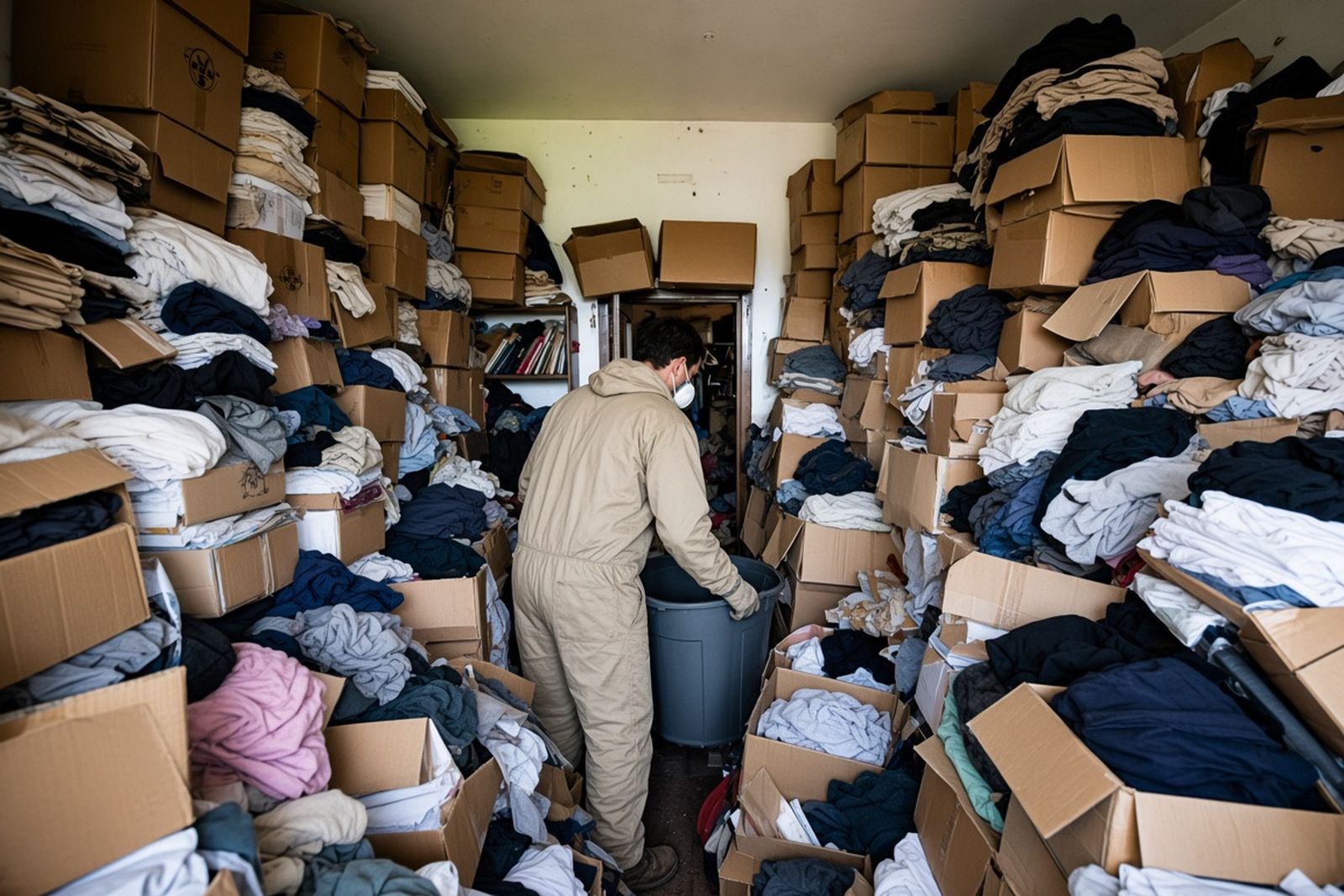
Knowledge quiz
Check what you know about hidden hazards, who can decide, dust control, cleaning and killing germs, waste, and records before you start to help.
City guides
Find providers near you who know hoarding cases. Before you hire anyone, check their training, insurance, and way of working yourself.