Short answer
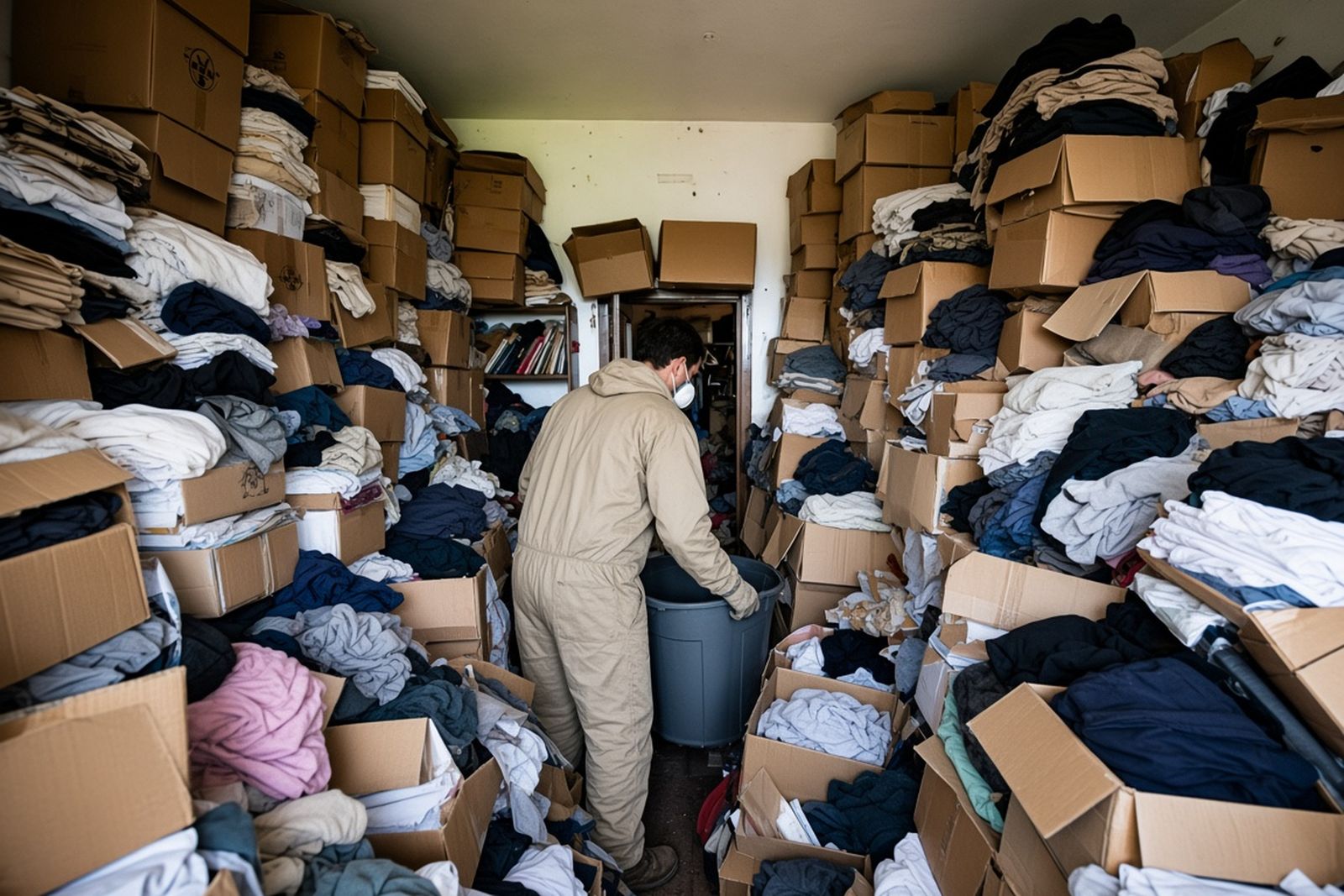
A professional cleanup usually starts with a safety walkthrough and a talk about goals and consent. The crew then opens safe pathways through the home. They sort belongings room by room with the person who lives there, into keep, donate, discard and biohazard groups. They deal with hidden hazards such as waste, pests and mold, and haul each kind of debris separately. The job ends with deep cleaning and a plan to keep your home safe.
What happens at the first visit?
The first visit is mostly about listening. A lead from the cleanup company meets the person who lives in the home. Any family member, caseworker or landlord who is involved may join. The lead wants to understand what the person hopes to get from the process. Some people want a safe path to the bathroom and kitchen. Others want the whole home restored. Both are fair places to start.
The lead will also walk through whatever parts of the home can be entered safely. They look for blocked exits, unstable piles, signs of water leaks and pests. They note odors that suggest waste or spoiled food, and hazards from wiring or heating. They may take photographs. A respectful company will ask you first and explain why.
Expect a talk about who can make decisions about belongings. If the person owns or rents the home and can make their own choices, the decisions are theirs. If someone else holds legal authority, such as a guardian, that should be confirmed in writing. If there is any doubt about who holds that authority, settle it before sorting starts. Get legal advice if you need it.
You should leave the first visit with a written plan, or a clear date for getting one. The plan should describe the goals, the phases, the sorting categories and how changes will be approved.
Clearing pathways comes first
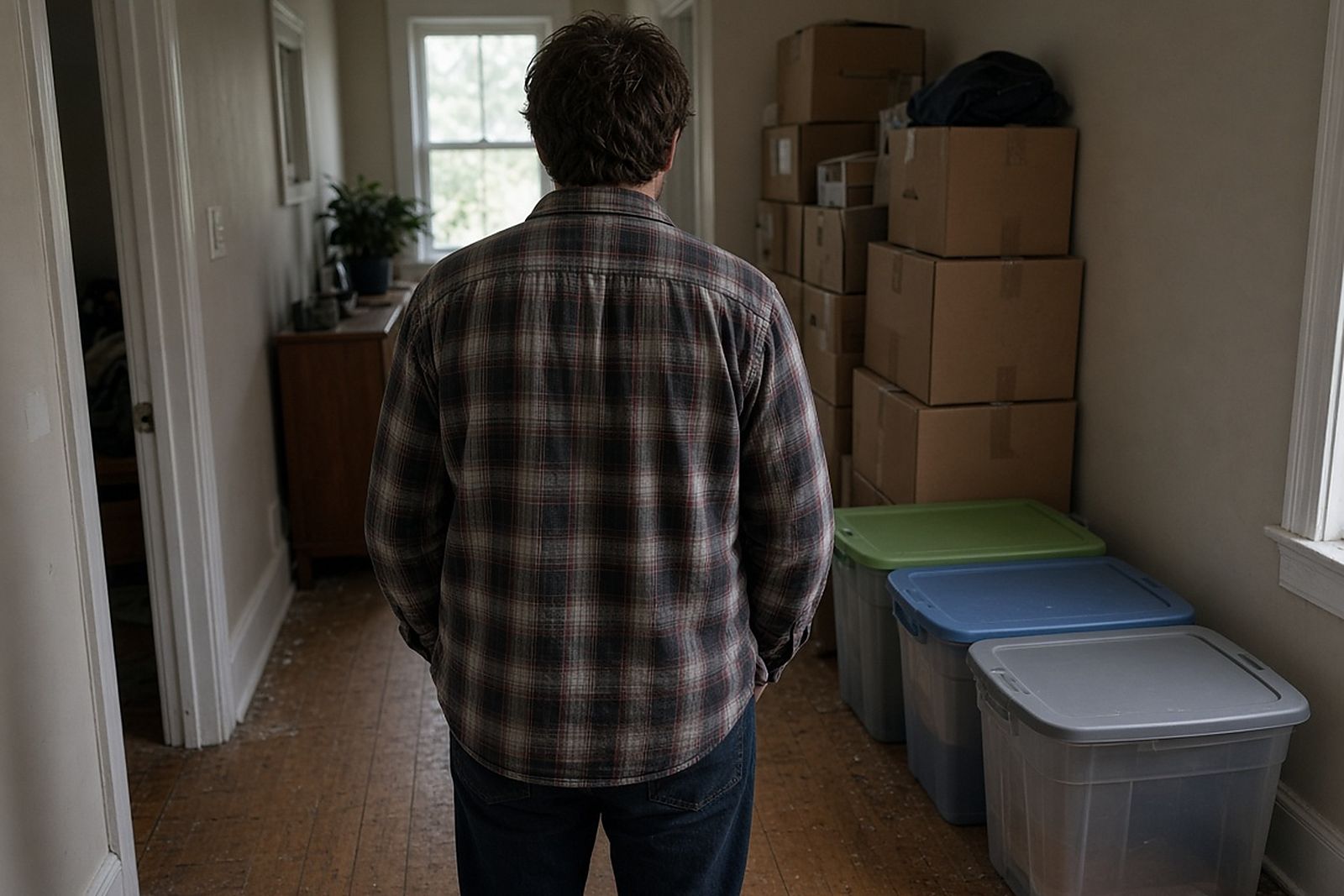
Before deep sorting begins, crews usually open safe routes through your home. That means a clear path from the entrance to the key rooms. It means access to the electrical panel and the water shutoff. It also means at least one usable exit from each room someone lives in.
This step protects everyone. Workers need to move without tripping or setting off a collapse. The person who lives there needs to be able to leave quickly in an emergency. Fire risk in cluttered homes is serious. That is one reason many crews check or replace smoke alarms early.
Pathway work is also a gentle way to begin. It is about safety, not about the person's possessions. That can make the first days less stressful for you both and build trust for the harder decisions ahead.
How does sorting actually work?
In your home, sorting is usually done room by room. It often starts with the space the person most wants back. Crew members bring items to the person, or work beside them, and place each one into a category that everyone agreed on at the start.
You will often see the categories below.
- Keep: items the person wants to stay in the home.
- Donate or give to family: items that leave the home but go to someone who can use them.
- Recycle: paper, cardboard, metal and other materials that can stay out of the landfill.
- Discard: ordinary trash and items that are broken, spoiled or unusable.
- Biohazard or hazardous: items soiled with waste, needles, chemicals and anything that needs special handling.
- Hold: items the person is not ready to decide on, set aside for a later session.
The family's role during sorting
Family members often want to help, and your presence can be a comfort. It can also create pressure. A relative who sighs at every kept item, or quietly slips things into a discard bag, can undo days of trust in a single afternoon.
The most helpful role is usually to support, not to direct. Bring coffee. Sit with the person during hard decisions. Handle phone calls with the landlord or the utilities. Let the crew and the person do the sorting together. If you disagree with a decision, raise it in private and later, not in front of the crew.
Some families agree on ground rules before the first session. Examples are no discarding without the person's say and no comments about how the home got this way. Another is a signal the person can use when they need a break. Share your rules with the company so everyone follows them.
If emotions run high, it is fine for you to step away for a day. The work can go on with the person and the crew. Your relationship may be better for the pause.
How fast will the work go?
The pace depends on the person, the size of the home and what the crew finds. Some people can make many decisions quickly. Others need time with each item, especially photographs, letters, clothing and anything tied to a loved one.
A respectful company sets session lengths the person can manage and builds in breaks. The crew watches for signs of distress and is willing to pause. They also look for documents and valuables, such as cash, jewelry, deeds, medications and identification. They set these aside so they do not vanish into a trash bag.
You can expect some days to feel productive and others to feel slow. That is normal. The goal is a safer home and a person who still feels in control of their life. It is not the fastest possible clear-out.
If you have deadlines, such as an inspection date from a landlord or code enforcement, share them with the company at the start. Then it can plan phases that meet the most important requirements first.
Hidden hazards the crew may uncover
As piles come down, crews often find conditions that you and the crew could not see before. Animal or human waste, dead pests and spoiled food are common. So are leaking pipes, damaged wiring, and mold on walls and floors where air could not move. Needles or medical supplies can also be mixed in with ordinary items.
Professional crews wear protective gear for this reason and handle each hazard according to its type. Biohazard material is packaged apart from household trash. Pest problems may call for a licensed exterminator. Mold, structural damage and electrical problems may need other trades.
When the crew finds something serious, it should stop and show what it found to you or to whoever has the right to decide. It should explain what it recommends before going on. Changes to the work plan and the price should be approved in writing.
Three weeks in a two-bedroom apartment: an example timeline
This timeline is invented for illustration. A retired teacher in her seventies lives in a two-bedroom apartment. Her building manager has warned that the unit must pass a safety inspection. Her niece helps her find a hoarding cleanup company.
In the first week, the crew clears a path from the door to the kitchen, bathroom and bedroom. It replaces a missing smoke alarm. The teacher sorts kitchen items for two hours each morning. She chooses to keep her cookbooks and donate duplicate pans.
In the second week, the crew reaches the bathroom and finds a slow leak under the sink that has damaged the cabinet. They stop, photograph it and tell the building manager, who sends a plumber. Sorting shifts to the bedroom in the meantime.
By the third week, the unit passes inspection. The spare bedroom still holds boxes the teacher is not ready to review. She and her niece schedule a monthly visit to continue.
After the belongings are sorted
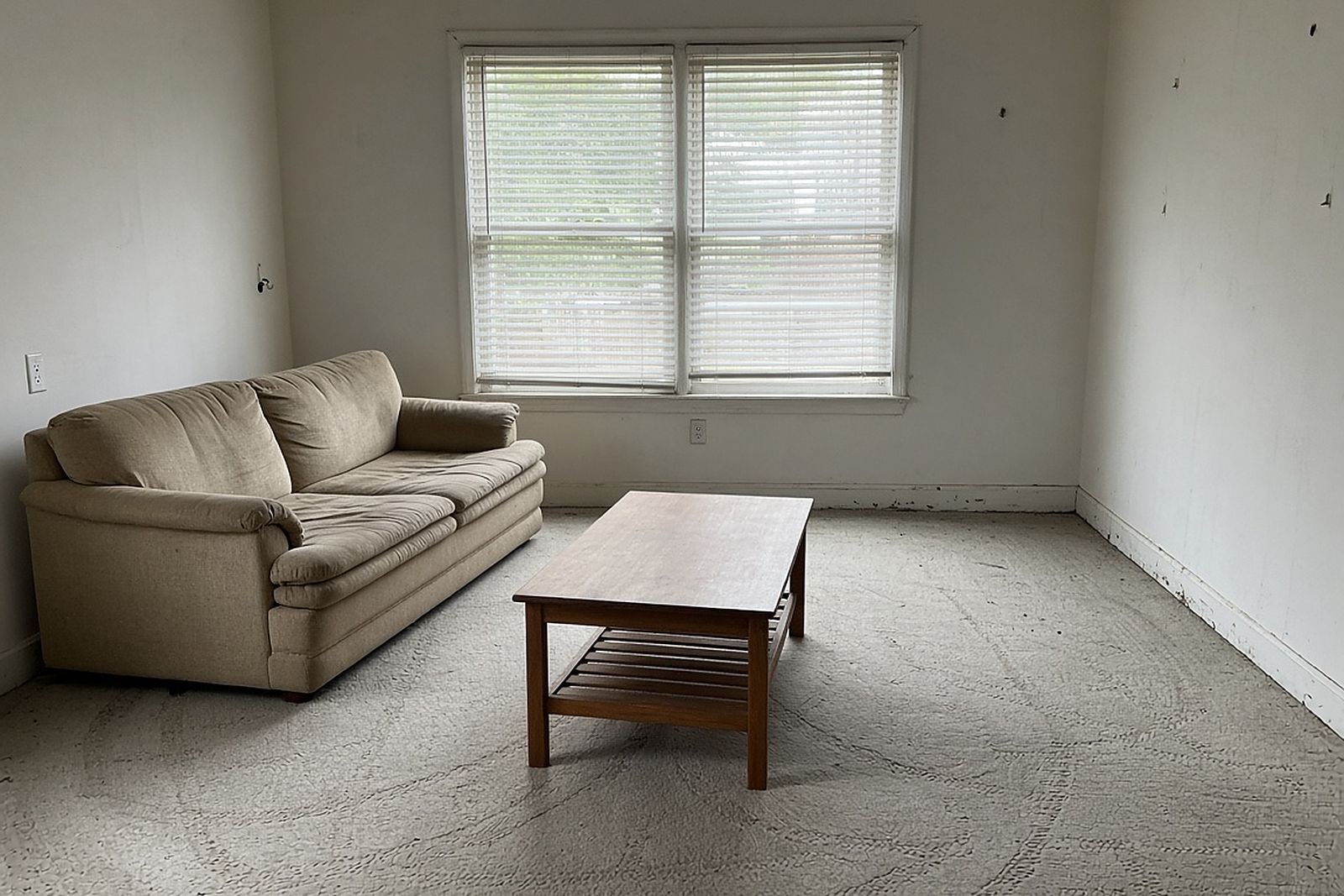
Once your rooms are cleared, the crew hauls away each kind of debris separately and cleans the uncovered surfaces. That can include vacuuming with a fine-filter HEPA vacuum and washing floors and walls. It can include disinfecting areas that held waste and dealing with odors at their source.
Some materials may need to be removed completely. Carpet soaked with animal urine, drywall with mold and furniture too soiled to clean are common examples. The company should list these for you and explain why they cannot be saved.
At the end, walk through the home together. Check that exits are clear and that you can reach the appliances. Make sure the person knows where their kept items are stored.
The closeout package
Good records protect the person who lives there, your family and the company. Ask for a final package of paperwork. It should include a summary of what was done in each room and the consent lists or decisions recorded along the way. It should include photographs taken with permission, disposal and donation receipts, and notes on any hazards passed to other trades.
If a landlord, code enforcement office or social services agency is involved, ask whether they need certain documents. Then the company can prepare them for you.
How do you keep the progress going afterward?
A cleanup alone rarely resolves hoarding, as you may already know. Without support, many homes fill up again. Ask the company whether it offers upkeep visits. Ask whether it can work with a therapist, case manager or peer support group.
Keep your expectations kind and realistic. Celebrate what the person accomplished. Treat setbacks as part of a long process, not a failure. If the person talks about feeling hopeless or about ending their life, call or text the 988 Suicide and Crisis Lifeline for guidance at any hour.