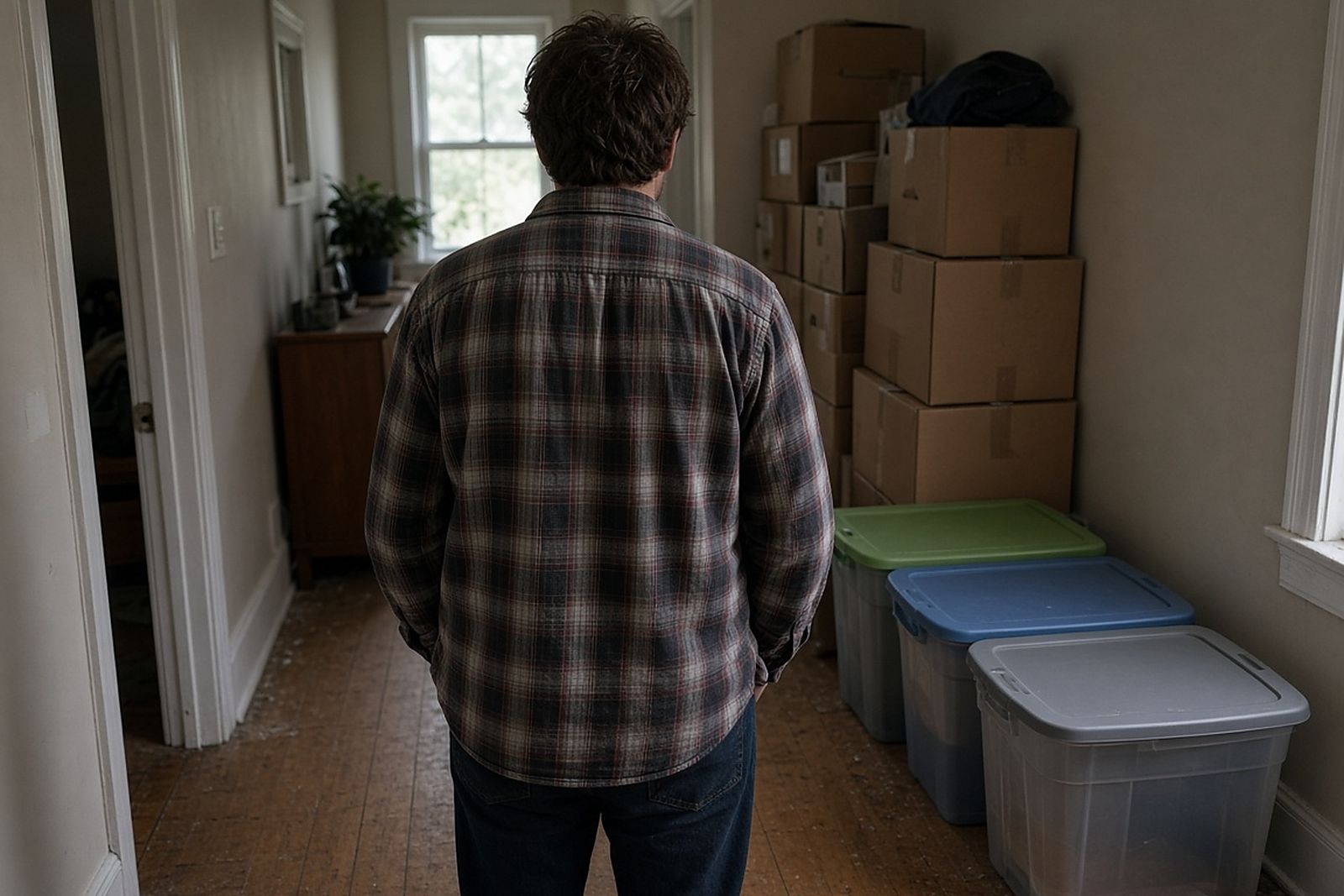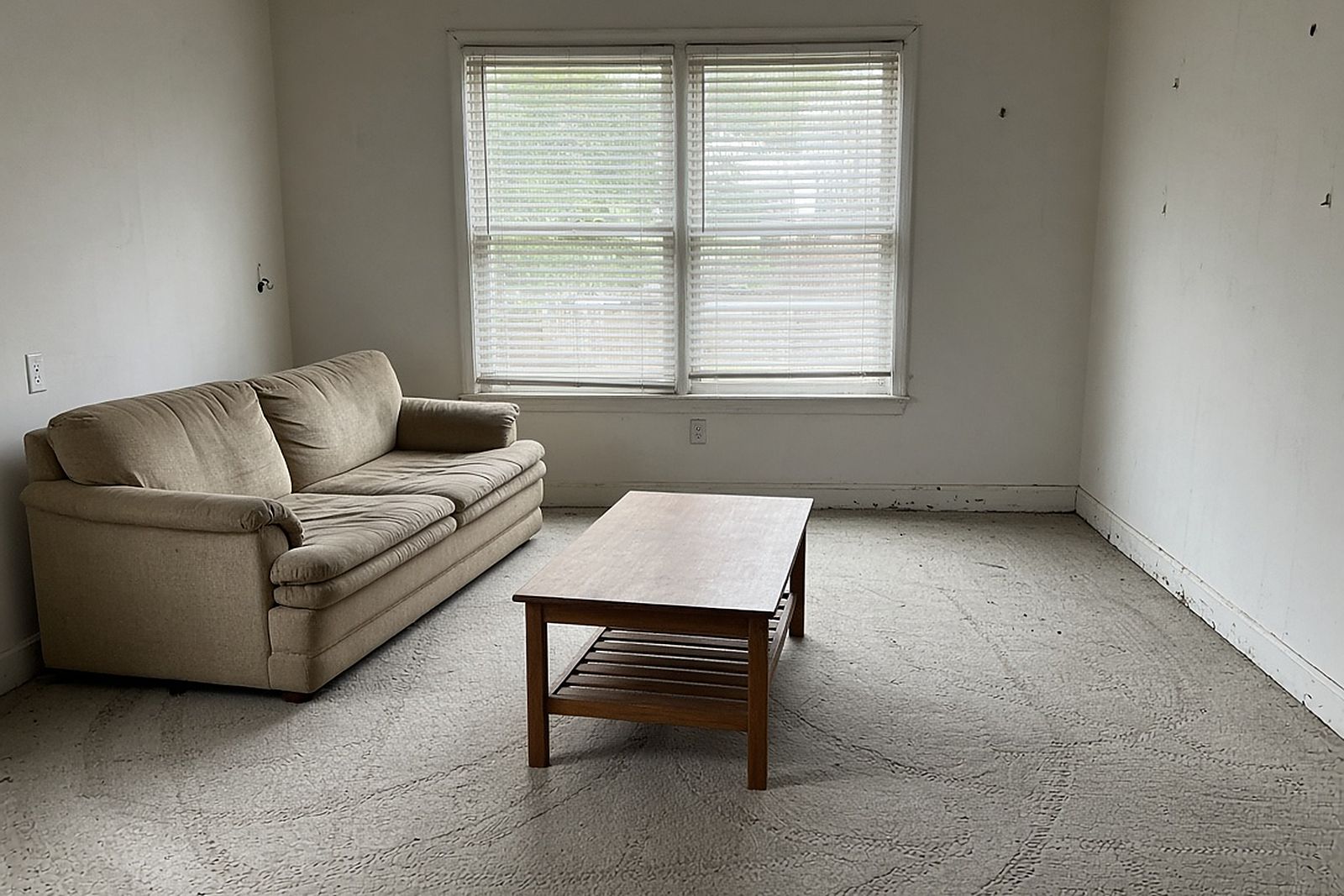
Short answer
Hoarding scene cleanup can take anywhere from a single intensive visit to a series of sessions spread over weeks. The biggest factors are the volume of material, how much sorting the resident wants to do, whether biohazards, animals or pests are present, the condition of the structure, and deadlines from landlords or code enforcement. A pace the resident can tolerate often produces a more lasting result.
Why there is no standard answer
Two homes with the same square footage can require completely different amounts of time. One may have dense stacks of paper and clothing in every room but dry, sound floors underneath. Another may have fewer belongings but spoiled food, animal waste, a failed toilet and a rodent problem. The second home can take much longer even though there is less to move.
The human side of the job varies just as much. Some residents want every item reviewed before it leaves the house. Others ask the crew to make most decisions. Some are not involved at all because the cleanup follows a death, a hospitalization or a move to assisted living.
That is why a reliable company will insist on seeing the home, or at least detailed photographs and a video walkthrough, before offering a time range. Anything more precise than that is guesswork.
Seasons play a part as well. Summer heat inside a packed home makes protective gear harder to work in and can shorten shifts, while winter may limit how much the crew can ventilate. None of this changes the steps, but it can change how many hours of productive work fit into a day.
Which factors add the most time?
When companies build a hoarding cleanup schedule, they are usually weighing the same handful of variables. Understanding them helps you read an estimate and ask the right questions.
- Volume and density: how many rooms are affected and how high and tightly the material is packed.
- Sorting level: whether items are removed in bulk or reviewed one by one with the resident.
- Biohazards: human or animal waste, spoiled food, sharps or bodily fluids that require protective procedures.
- Pests and animals: rodents, insects or living animals that must be addressed before or during removal.
- Structural and utility problems: leaks, damaged floors, blocked electrical panels or nonworking plumbing.
- Access: stairs, narrow entrances, elevators, parking and whether a roll-off container can be placed nearby.
- Deadlines: inspection dates, eviction timelines or court orders that force a faster pace.
- Deep cleaning and odor control after the contents are out.
Sorting with the resident: the biggest variable
Sorting is often the single biggest variable. Bulk removal of clearly unusable material can move quickly. Reviewing belongings one by one with the person who lives there takes much longer, especially when items carry emotional weight.
For many people living with hoarding disorder, discarding feels genuinely distressing. Pushing past that distress to save time can damage trust and sometimes leads to the home filling up again after the crew leaves. When circumstances allow, working in shorter sessions with breaks, or pairing the cleanup with a therapist or case manager, tends to produce a more lasting result.
Engagement can be difficult to achieve. A study of Massachusetts health officers by Frost, Steketee and Williams, published in 2000 in Health and Social Care in the Community, found that only half of hoarders recognized the lack of sanitation in their home and fewer than one-third cooperated willingly to resolve the complaint. Building that cooperation takes time, and it is time well spent.
Families can help by agreeing ahead of time on categories that will be kept, such as photographs, documents and certain collections, so those decisions do not have to be revisited item by item.
Biohazards, pests and repairs all add time
When a home contains animal or human waste, spoiled food, used needles or bodily fluids, the crew must switch from general cleanout procedures to biohazard procedures. That means heavier protective equipment, more careful handling, more frequent breaks in hot conditions and specific packaging for certain waste streams.
Rodent droppings and urine have to be wetted with disinfectant and removed rather than swept, which is slower than bulk hauling. Insect infestations may require a pest control treatment before the crew starts and again after the contents are removed, and the crew may need to pause between the two.
If animals live in the home, their care comes first. Animal control or a humane organization may need to remove, examine or rehome them before work can proceed safely. If you are not sure who handles animal welfare concerns, start with your county animal control office.
Clearing a hoarded home often reveals problems that were hidden for years. Crews may find rotted subfloor under a bathroom, water damage behind a stack of boxes against an exterior wall, electrical outlets that have overheated or a furnace that has not been serviced in a long time.
Some of these discoveries stop work until a specialist looks at them. A soft floor may need a structural assessment before anyone walks on it with heavy loads. An electrical hazard may need an electrician before the crew can plug in air scrubbers. A plumbing failure may need repair before sanitation work can be finished.
These pauses are frustrating, but they protect the crew and the resident. Ask your cleanup company how they handle discoveries and whether they coordinate the trades or expect you to.
Hidden valuables and important papers can pause work too, in a good way. Cash, jewelry, deeds, tax records and old checks turn up often in long-cluttered homes. Crews that set aside anything of possible value for family review may move a little more slowly, but they prevent losses that no schedule can recover.
The deep cleaning phase after the contents are out
Removing belongings is only part of the work. Once floors and walls are visible, crews clean from top to bottom: ceilings, light fixtures, walls, cabinets, appliances and floors. Where there has been animal waste or long-term moisture, some flooring, drywall or cabinetry may need to be removed and replaced rather than cleaned.
Odor control follows. Persistent odors usually come from materials that absorbed urine, spoiled food or moisture. The fix is often to remove or seal those materials rather than mask the smell. Air scrubbers and ventilation may run for some time afterward.
Plan for this phase to take real time even in a home where removal went smoothly. A space can look empty long before it is truly clean.
If the home will be sold or re-rented, some owners add a final step: an independent inspection or a walkthrough with the landlord before the crew demobilizes. Scheduling that walkthrough early keeps the last day of the project from turning into an extra week of waiting.
A realistic schedule, and how you can help it along
A good schedule breaks the work into phases, estimates each one and explains which factors could extend it. It should identify safety-critical tasks that must happen first, separate bulk removal from sorting sessions, and include time for deep cleaning, odor control and any repairs. When a landlord or inspector has set a date, a common approach is to split the job: a focused push on the kitchen, pathways and other items the inspection will check, followed by slower sorting sessions in the remaining rooms.
It should also describe how the company will communicate with the resident and family, how often progress updates will come and what happens if the resident needs to pause. A company that understands hoarding will plan for those pauses rather than treat them as failures.
The goal is a home that is safe and livable, with the person who lives there still feeling respected at the end of the process. Taking the time to get there is part of doing the job right.
You cannot rush emotional decisions, but you can remove practical obstacles that slow the crew down.
- Share any known hazards up front, including animals, sharps, mold, structural concerns or firearms.
- Clarify who has decision-making authority about belongings, especially if the resident is unavailable.
- Identify must-keep categories before the first session begins.
- Arrange parking and building access for trucks and containers.
- Confirm that water and electricity are on, or tell the crew if they are not.
- Connect the resident with mental health or social support if they are willing, so the work does not rest on one visit.