Short answer
In hoarding cleanup, removing clutter is only the first stage. Cleaning then physically removes dust, spoiled food, animal waste, droppings and grime from exposed surfaces. Disinfection follows, using registered products at label contact times on areas touched by urine, feces, rodents or rotting food. Mold and deeply soaked materials usually need removal rather than disinfection. Skipping any stage can leave a home looking clear but still unhealthy.
Why isn't clearing out a hoarded home the same as cleaning it?
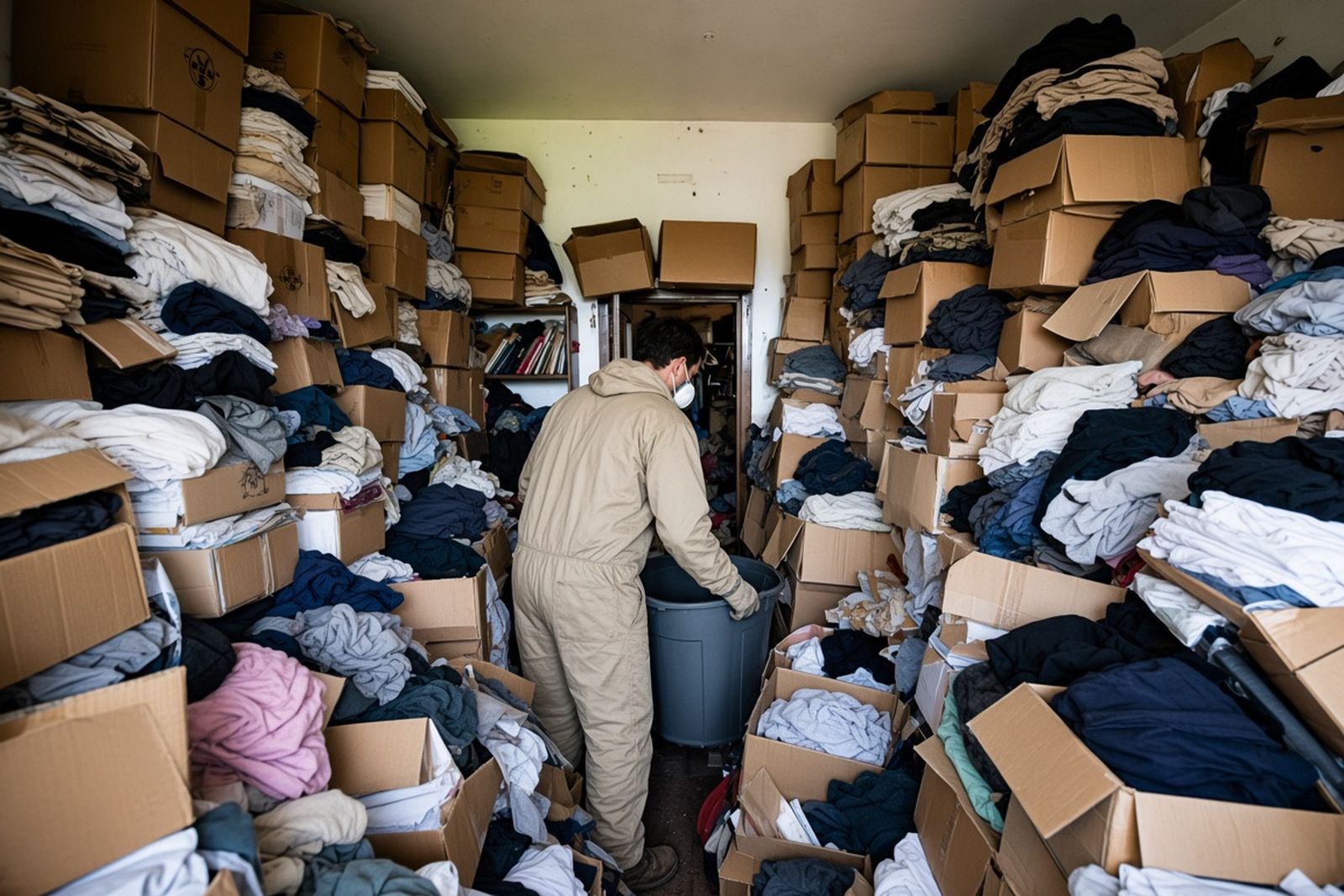
When people picture hoarding cleanup, they often picture the removal stage: bags, boxes and furniture leaving the house, dumpsters filling up and rooms opening up for the first time in years. That stage is essential, but it is only the beginning.
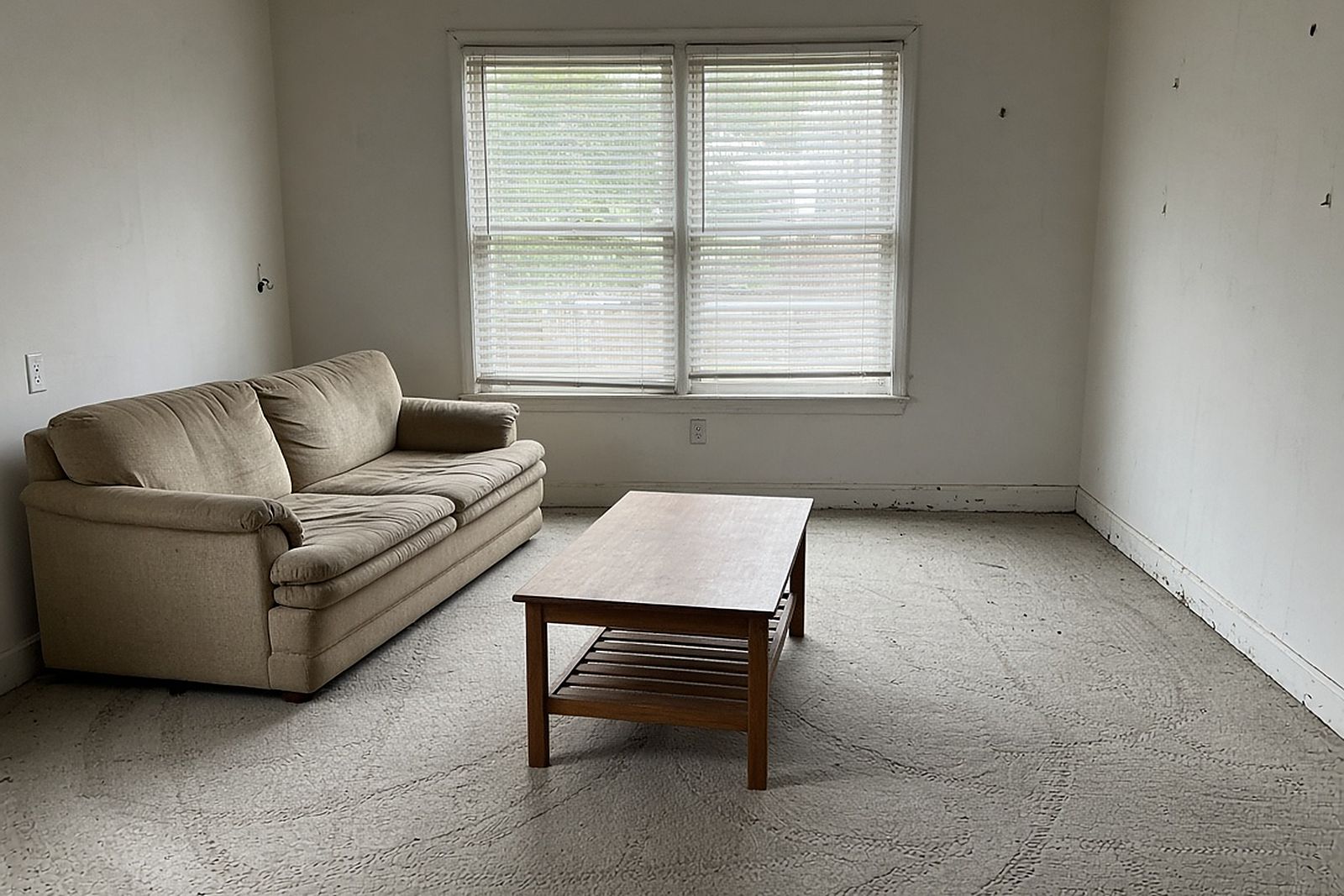
Once belongings are gone, the surfaces underneath are exposed. Floors, baseboards, cabinets and walls may be covered in dust, grime, spilled liquids, food residue, animal urine or droppings. Some of those materials carry bacteria, viruses, parasites or allergens.
A home that has been cleared but not cleaned can still smell, trigger asthma and allergies, and expose occupants to pathogens. A home that has been cleaned but not disinfected in the areas that need it can still carry germs on the surfaces people touch most. Each stage has a separate job.
Sequencing matters for the resident as well as the house. Many crews clear and clean one area at a time, so that a bedroom or kitchen becomes usable before the next room is started. That approach gives the resident a safe, clean space to retreat to while the rest of the work continues.
What is the difference between cleaning and disinfection?
Cleaning is the physical work of lifting dirt and organic matter off surfaces. It uses detergent, water, scrubbing, scraping and HEPA vacuuming. In a hoarded home, cleaning is often the most labor-intensive stage, because layers of residue can be thick and stubborn.
Disinfection is the application of a product registered to kill or inactivate microorganisms, applied according to its label. That label includes a contact time, the period the surface must stay wet for the product to work.
Disinfection depends on cleaning. Organic matter such as food residue, urine and feces can shield microorganisms and weaken the disinfectant. Spraying product over grime tends to give a false sense of security. Good crews clean first, rinse where needed, then disinfect.
Deodorizing is a separate thing again
Air fresheners, fragrances and some odor sprays simply cover smells. They do not clean or disinfect anything, and in a hoarded home they can hide the very odor sources that tell a crew where contamination remains.
Hazards that usually need disinfection
Not every surface needs a disinfectant. Many areas need only thorough cleaning. But certain conditions call for both, and a qualified crew will identify them during assessment.
Crews also think about who will use each space next. A room that will become a child's bedroom or the kitchen where meals are prepared may warrant more attention than a storage area. Discussing those plans with the crew helps it set priorities.
Common situations that call for disinfection after cleaning include:
- Floors and walls contaminated with pet urine or feces.
- Areas with rodent droppings, nests or urine trails.
- Kitchens and pantries with spoiled or rotting food.
- Bathrooms with human waste, overflowing toilets or unusable plumbing.
- Surfaces contaminated with blood or used needles.
- Refrigerators and freezers that failed with food inside.
- High-touch surfaces such as door handles, light switches, counters and railings once they are exposed.
Animal waste and rodent droppings
Animal-related contamination is one of the most common challenges in hoarding cleanup. In homes with many animals, urine can soak into carpet, pad, subfloor and the bottom of drywall, and feces may be spread across multiple rooms.
The scale can be significant. A home with dozens of animals can produce contamination far beyond what ordinary cleaning products are designed to handle.
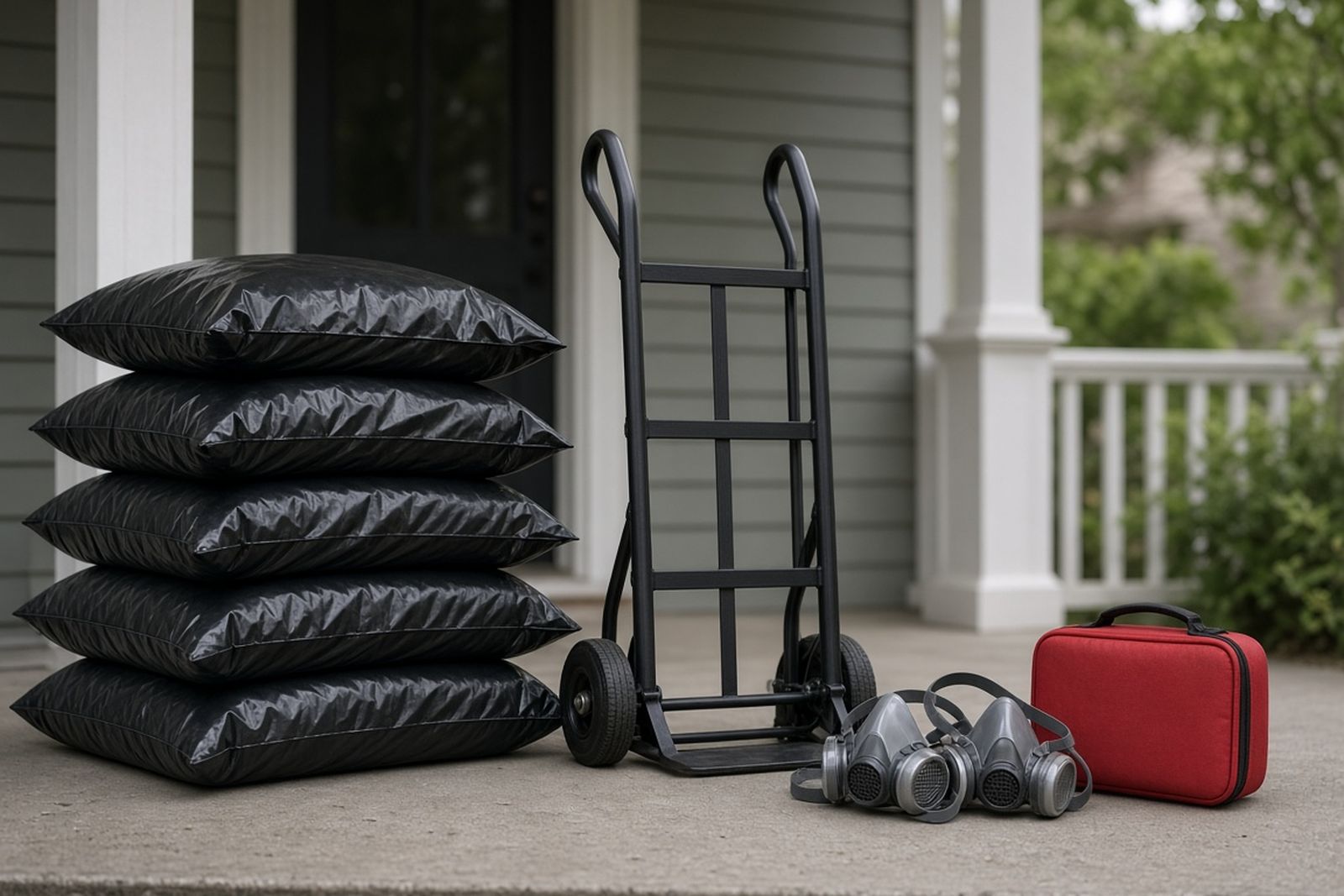
Rodent droppings require special care. Dry sweeping or vacuuming droppings with an ordinary vacuum can put particles into the air. Public health guidance generally recommends wetting droppings and nesting material with a disinfectant, letting it sit, then carefully removing and disposing of it while wearing gloves and appropriate respiratory protection. Crews then clean and disinfect the surfaces beneath.
Urine-soaked porous materials usually cannot be fully cleaned or disinfected. They are typically removed, and the surfaces underneath are cleaned, disinfected and sometimes sealed to control odor.
Mold: usually a removal problem, not a disinfection problem
Mold is common in hoarded homes, especially where piles sat against exterior walls, around leaks or in damp basements. Many people assume that spraying mold with a disinfectant will solve the problem. It generally does not.
Killing mold on the surface does not remove it, and dead mold can still cause allergic reactions and respiratory irritation. The goal with mold is to remove contaminated porous materials, clean hard surfaces and fix the moisture source so growth does not return.
For larger areas of mold, or mold inside walls and ceilings, a crew may recommend a mold remediation specialist. Your state health department can tell you whether any licensing or assessment requirements apply to mold work where you live.
Moisture control is part of the cleaning stage too. After removal, crews often use fans or dehumidifiers to dry damp areas before final cleaning, since cleaning a wet, moldy surface without drying it first tends to invite the growth back.
Squalor versus clutter
Not every hoarded home is dirty, and not every dirty home is hoarded. Clinicians sometimes distinguish hoarding, which is about accumulation, from domestic squalor, which is about unsanitary conditions. The two often overlap.
In homes with squalor, the cleaning and disinfection stages may be even more demanding than the removal stage.
When a home has both heavy clutter and squalor, expect the cleaning stage to take significant time. A crew that estimates only the time needed to remove belongings, without accounting for deep cleaning and targeted disinfection afterward, may underestimate the job.
Cleared but not cleaned: an example
In a made-up but instructive case, a family hires a hauling company to empty their late uncle's house, which was heavily cluttered and home to several cats. The haulers remove everything in two days. The rooms look open, and the family plans to prepare the house for sale.
Within a week, relatives who spend time there develop itchy eyes and headaches. The smell of ammonia is strong, especially on warm days. Rodent droppings are visible along the kitchen baseboards.
They bring in a hoarding cleanup company. The crew removes urine-soaked carpet and pad, wets and removes rodent droppings with disinfectant, HEPA vacuums floors and walls, scrubs and rinses surfaces, and applies a registered disinfectant with the proper contact time to kitchens, bathrooms and contaminated floors. The subfloor in two rooms is sealed after cleaning to control odor.
The house finally feels livable. The first crew had cleared belongings but had not cleaned or disinfected anything. That gap between clearing and cleaning is a common one.
Questions to ask a company about cleaning and disinfection
When you talk with a hoarding cleanup company, ask directly what happens after belongings are removed. A qualified company will describe cleaning and disinfection as distinct stages and explain how it decides which areas need each.
Useful questions include which products the crew uses, whether they are registered disinfectants, what their contact times are, how the crew handles rodent droppings and animal waste, how it decides what flooring or drywall to remove, and whether it addresses odor sources rather than masking them.
Ask for a written scope that separates removal, cleaning, disinfection and any material replacement. That makes it easier to compare bids and to confirm that the job will not stop at the dumpster.
It is also fair to ask how the crew protects the resident and family during these stages. Disinfectants and cleaning chemicals need ventilation, and some products should not be mixed. A careful company will explain when people and pets should stay out of treated rooms and for how long, according to the product labels.
Keeping a cleaned home healthy
After cleaning and disinfection, the home is at its healthiest point in a long time. Keeping it that way usually requires more than housekeeping.
Address the conditions that allowed contamination to build: repair leaks, seal rodent entry points, arrange ongoing pest control if needed and make sure animals in the home are properly cared for. Regular visits from a cleaner, organizer or trusted family member can help catch problems early.
Most important, remember that hoarding is a mental health condition. Ongoing support from a clinician who understands hoarding disorder gives the resident the best chance of keeping the home safe. A clean, disinfected house is a fresh start, not a cure.
If the resident has pets that remain in the home, ask a veterinarian about safe products and about any health concerns for the animals themselves. Pets that lived in unsanitary conditions may need care of their own.