Short answer
ATP testing measures leftover organic material on a surface, so in a hoarding cleanup it can help show whether kitchens, bathrooms and other food or waste areas were actually cleaned. It does not identify germs, prove disinfection, detect mold or pest allergens, or say anything about clutter. Use it as one verification tool alongside visual inspection and written records.
What does an ATP swab actually measure?
ATP, or adenosine triphosphate, is a molecule found in living cells and in the organic residue they leave behind. A technician swabs a surface, places the swab in a handheld reader and gets a number in relative light units. A higher number means more organic material remained on the swabbed area.
That organic material can come from food, body fluids, animal waste, skin cells, bacteria, mold or other living sources. The test does not distinguish among them. It is a quick way to ask whether a surface is still dirty in a biological sense, not a way to ask what the dirt is.
Readings also differ between manufacturers, because each brand uses its own chemistry and scale. A number from one device cannot be compared directly with a number from another, and there is no single national pass or fail value that applies to homes.
Where ATP testing helps in a hoarded home
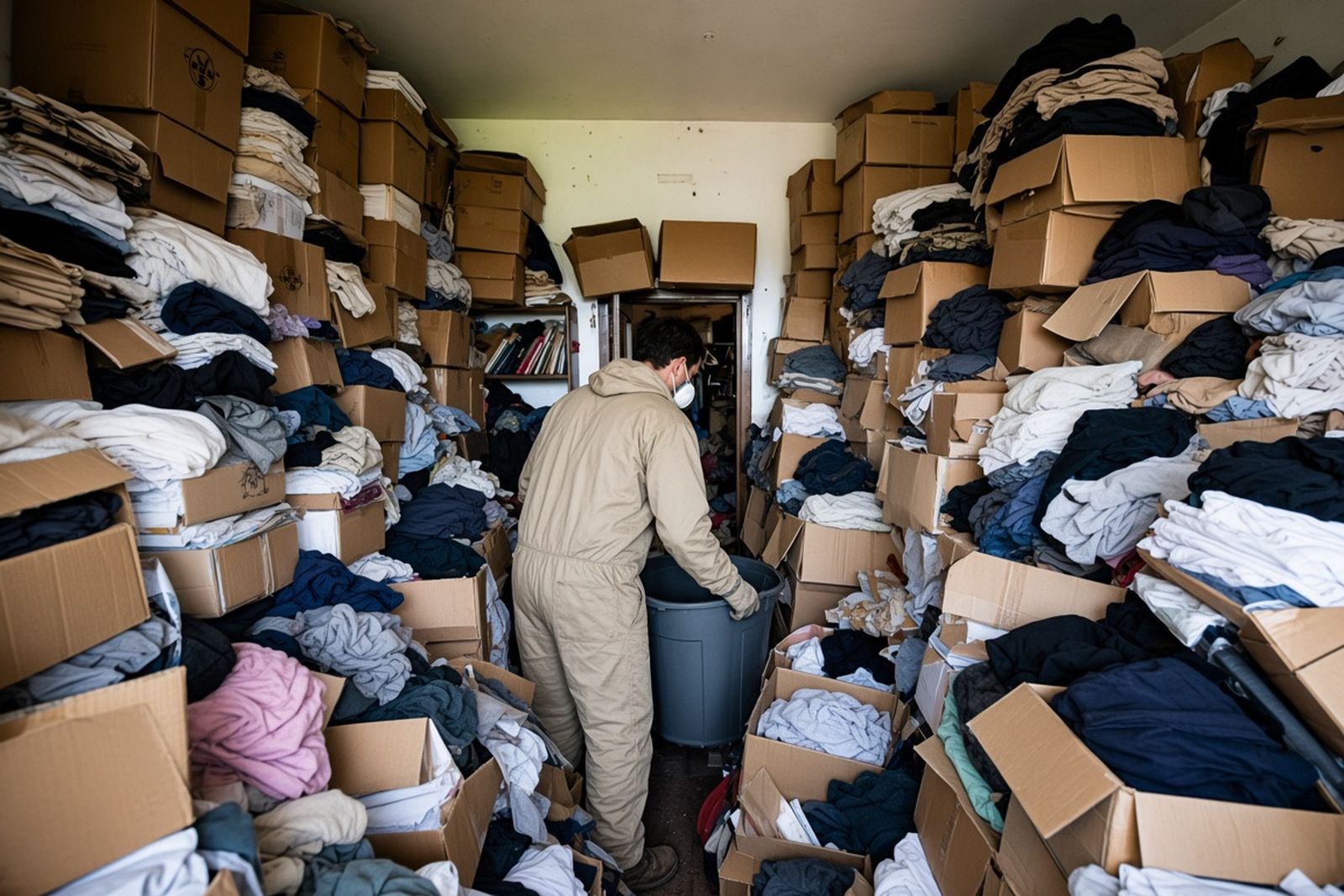
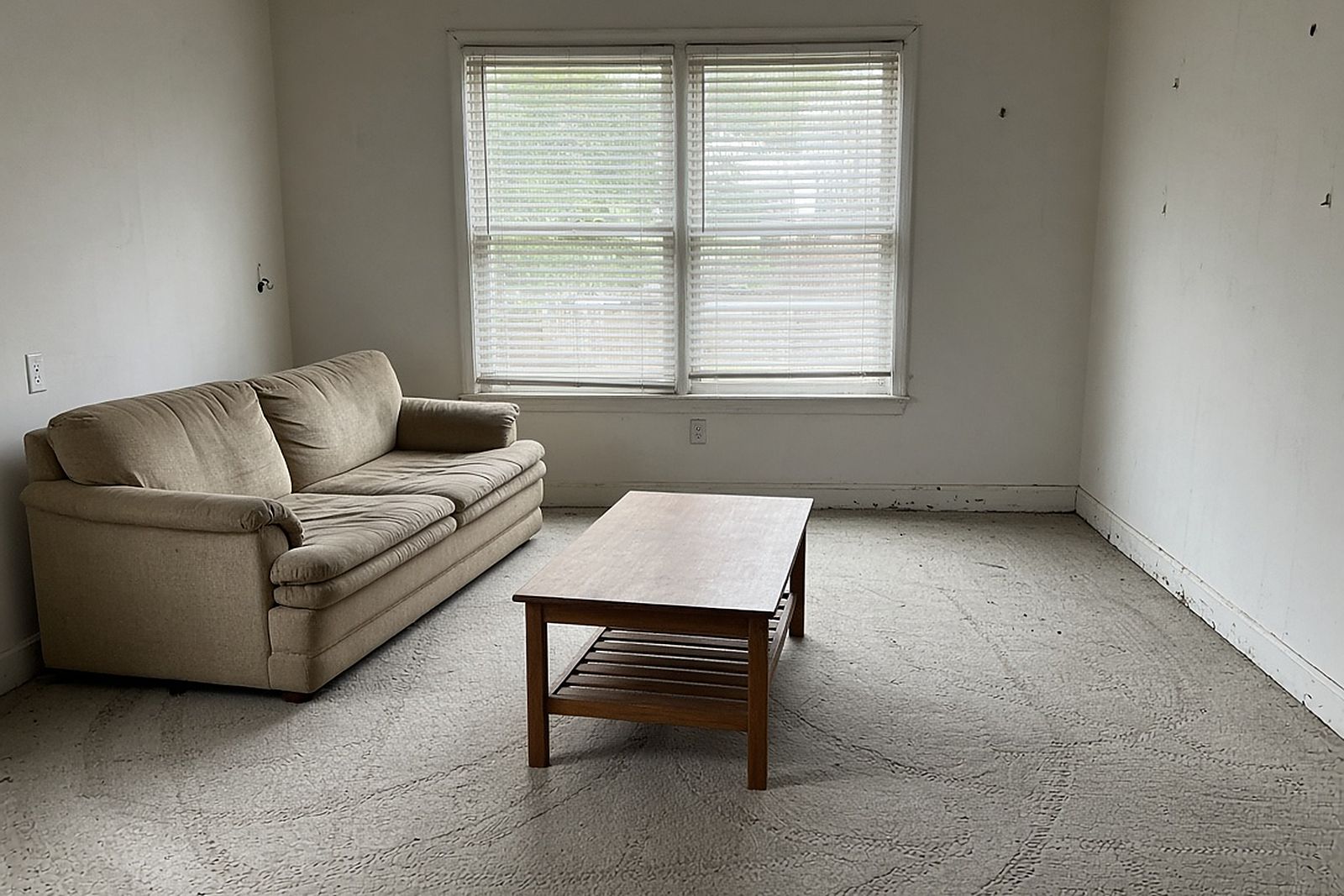
Hoarded homes often include areas where food spoiled, garbage sat for long periods, toilets stopped working or pets relieved themselves indoors. Once the belongings are cleared and those areas are cleaned, surfaces can look acceptable while still carrying a film of organic residue. ATP readings give the crew and the family a way to check.
It can also help crews pace their effort. In a large home, the team may not know which of several cleaned bathrooms needs another pass. A quick round of swabs points them to the one that still needs work, instead of repeating every step everywhere.
Where it earns its place, ATP testing is typically used on hard, nonporous surfaces that were heavily soiled and will be touched often again.
- Kitchen counters, sink basins, refrigerator shelves and cabinet interiors where food rotted.
- Bathroom fixtures, toilet surrounds, tub edges and floors near fixtures that were not working.
- Hard floors under areas where pet waste or spoiled items had accumulated.
- Door handles, light switches and railings the resident will use every day.
- Surfaces in a room being prepared for a caregiver, a medical bed or a returning child.
Where ATP testing is the wrong tool
Much of what makes a hoarded home unsafe has nothing to do with organic residue on a smooth surface. ATP readings will not tell you whether exits are clear, whether floors are overloaded, whether wiring was damaged or whether a space heater still has combustibles around it.
The swab also struggles on porous or rough materials. Carpet, upholstered furniture, mattresses, unfinished wood and drywall paper hold residue in ways a surface swab cannot capture well. When those materials are heavily soiled with urine, feces or mold, the decision is usually to remove them, and a meter reading will not change that.
It does not measure mold spores in the air, dust mite or rodent allergens, ammonia from animal urine or chemical residues from cleaning products. Those questions need different methods, and in some cases a different professional such as an industrial hygienist.
Does a low reading mean the surface is disinfected?
No. A low reading means there is little organic material left on the swabbed spot, which is an important precondition for disinfection, because disinfectants work poorly on dirty surfaces. It does not confirm that a disinfectant was applied correctly or left wet for the contact time on its label.
Similarly, a high reading does not prove that disease-causing organisms are present. It only shows that the surface still has organic residue and probably needs more cleaning. The right response is to clean again and retest, not to panic.
Think of ATP as a check on the cleaning step, and look to the product label, the crew's written procedure and your own observation for the disinfection step.
Using ATP testing so the results mean something
Good practice starts before cleaning. Some providers swab a few representative spots first to set a baseline for that home, then swab the same spots after cleaning. The change between the two readings is often more informative than a single number on its own.
The provider should use the manufacturer's instructions for swab area and technique, record the location of each swab with a photo or sketch, and note the device model. Ask whether they calibrate or check the device as the manufacturer recommends.
Any target the provider uses should be stated in writing before the work starts, along with what happens when a spot does not meet it. Be wary of a company that announces a pass threshold only after the testing is done, or that cannot explain where its target came from.
If a health or code enforcement agency is involved, ask whether it has its own reinspection standard, since that standard, not a meter reading, may decide when the home is considered habitable.
Why verification matters in hoarding cases
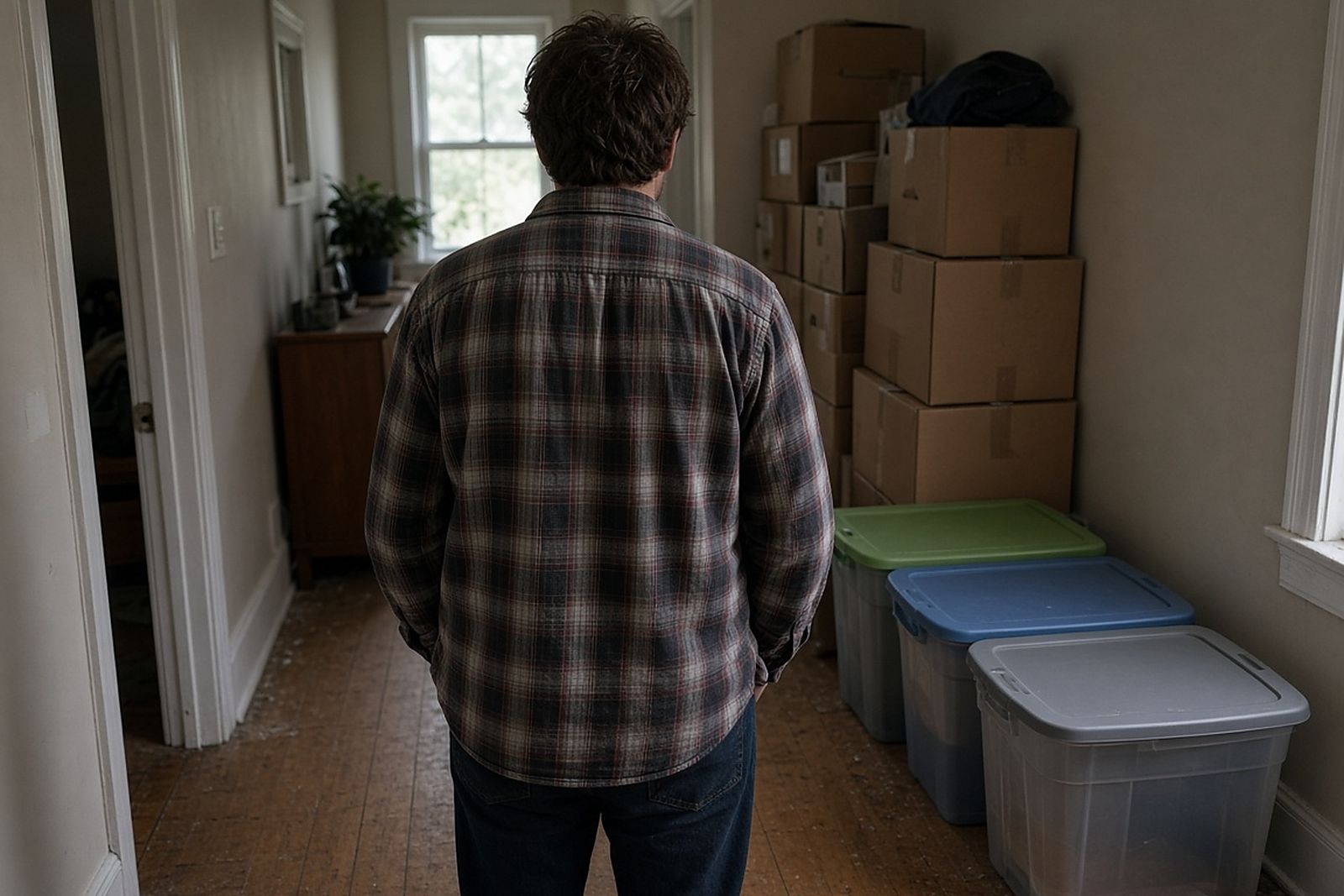
Hoarding cases are frequently driven by outside parties, such as a landlord, a health officer or adult protective services, and the resident may not see the problem the same way.
When perceptions differ, objective documentation helps. Photos, a room-by-room checklist and, where appropriate, ATP readings from kitchens and bathrooms give everyone a shared record of what was done. That record can matter to an inspector, a family member who lives out of state or a landlord deciding whether a tenancy can continue.
Verification also protects the resident. If a later complaint suggests nothing changed, a documented set of results shows that sanitation was restored at a specific point in time.
Can a family member run ATP tests on their own?
Handheld readers and swabs are sold to restaurants, schools and cleaning companies, and nothing stops a relative from buying one. The harder part is interpreting the results. Without training in swab technique, a sense of what readings look like on that brand of device and a plan for which spots matter, homemade numbers can create false comfort or needless alarm.
A more useful role for family is reviewing the provider's results with a few plain questions in mind. Were the swabbed spots the ones that were truly soiled, or the easiest ones to clean? Were the before and after swabs taken from the same place? Does the report explain what was done when a spot did not meet the target?
If the resident is present during testing, explain briefly what the swab is for. Some people who hoard feel judged by any inspection, and describing the test as a way to make the kitchen safe to cook in again, rather than as proof of how bad things were, keeps the focus on the future.
Preparing a kitchen for a returning parent, swab by swab
To make this concrete, here is a made-up case. An adult son arranges a cleanup at his mother's house while she recovers from a fall in a rehabilitation facility. The kitchen had spoiled food on the counters and in a refrigerator that stopped working months earlier, and a mouse problem in the pantry.
The provider clears the kitchen with the son approving what goes. Before cleaning, the technician swabs the counter beside the sink, the refrigerator's lower shelf, the pantry floor and the sink basin, and records the readings with photos. After the first cleaning pass, the counter and sink read much lower, but the pantry floor is still high, likely because droppings residue remained in a seam.
The crew cleans the pantry floor again, focuses on the seam and retests. The reading drops substantially. The technician then applies a registered disinfectant with the label contact time and notes it in the log. The dead refrigerator is removed rather than tested, since its seals and insulation were soiled.
The son receives a short report with before and after readings, photos, the disinfectant used and a note that the pest control company treated the pantry. When his mother's discharge planner asks whether the home is ready, he has something concrete to share.
What questions should I ask before paying for ATP testing?
ATP testing adds time and supplies, so ask whether it fits your situation. It makes the most sense when heavy organic soiling was present on hard surfaces, when someone vulnerable is moving in, or when a third party needs documentation.
Useful questions include which surfaces will be swabbed and why, whether baseline readings will be taken, what target will be used, what happens if a spot fails, and how results will be reported. Ask also what the provider will do for porous materials and areas the swab cannot represent.
A thoughtful answer might include the phrase "it depends on the room," and that is fine. The goal is a verification plan fitted to this home, not a number printed on an invoice to make the work look scientific.