Bellevue, WA

Hoarding Scene Cleanup Planning in Bellevue, WA

What to do, who to contact, and what to ask in Bellevue.

Hoarding cleanup help in Bellevue, WA. First steps, how freight elevators, steep driveways and wet weather affect the job, and what to ask a crew.

Get an email reply about hoarding scene cleanup

Send a short message to the follow-up inbox. A coordinator can reply by email. This form does not send emergency help; call 911 first if anyone is in danger.

Tell us what you need help with. Share a short description; please leave out medical details, access codes, and other sensitive information.

A request does not confirm a booking. For immediate danger, contact local emergency services.

Or email info@hoardingcleanup.online

The short answer for Bellevue, WA

In Bellevue, clearing a very full home is often a question of how to get things down and out: a freight elevator in a tower, or a steep driveway on a hillside. Before any of that, make sure you can walk from the bedroom to the door. Then pick a company that keeps bags sealed and your choices yours.

What to do, step by step

  1. 1

    Talk to your building before you set a date

    Ask your building staff what they need: elevator pads, dock times, or proof of insurance from the company. Each Bellevue building asks for something different, so do not assume. A good crew covers the hall floors and handrails and keeps a walkway that never blocks the stairs. Ask for photos of that protection. If dock times are short, your sealed bags can wait inside the unit, stacked so the path to your door stays open. Less may leave each day, and that is fine.

  2. 2

    Ask for a clear way out first

    The first job is a path from your bedrooms to the unit door, and on to the stairs or elevator lobby. Any smoke detector or breaker panel buried under items should be dug out. Shaky stacks that could fall into your only aisle need to come down early. So do heaters and loaded power strips sitting near paper. If your building has raised questions about whether the unit is livable, ask the crew to record each cleared section. You can pass those records to the manager.

  3. 3

    Set rules for sorting, privacy and devices

    Sorting in a small unit works best with labeled bins: one to keep, one to give away, one for trash, and a sealed one for needles or waste. Your mail and devices need privacy steps, such as a covered bin. Batteries and some electronics cannot go in regular trash, so ask where they will be taken. Keepsakes you are unsure of go in hold boxes. In a small unit where every surface is covered, choosing can wear you out fast. Gentle daily goals protect you from that kind of marathon. You set how much you can do in a day.

  4. 4

    Check on hazards, damp, and the closing list

    Needles and body waste must be bagged for disposal your building allows, and never left in a trash room that feeds a shared chute. Droppings are wetted before cleanup. Once your piles are gone, ask the crew to check outside walls and window corners for mold, which Pacific Northwest rain makes common. Hard floors and counters get disinfected. Carpets, drywall and soft goods are yours to decide on. Ask for a closing list that separates cleaning your unit from any hall touch-ups the building may want.

What cleanup is like in Bellevue

With all the growth in Downtown and BelRed, you may live in a building with elevators, a trash room and a loading dock. Those three things decide how much can leave your unit each day, so your building's rules are part of the plan from the first call. On Bellevue's hillsides the limits are different. Driveways are steep and trucks have little room to turn, which changes where a bin can sit. Pacific Northwest damp adds mold where piles block airflow and wet shoes bring water into a crowded entry. Ask about all of this before you agree on a price.

The Bellevue Fire Department and the city's code compliance office are where you can ask about safety and property upkeep. King County Public Health gives regional health advice. In a high-rise, fire safety centers on the exit halls and stairwells, and they must stay clear while your bags go out. A bag left in an exit path simply moves the danger from your unit to the hall. You deserve a gentle pace whether you live in a luxury tower with a managed dock or an older walk-up. Dignity does not depend on the building.

If your home is full of electronics, batteries and paper records, as many are in this tech-heavy area, privacy and safe disposal need extra thought. When a kitchen cannot be used, takeout boxes pile up, and mice and ants follow. In older hillside houses, watch for floors that bend under storage along the outside walls, and tell the crew if you see it. Many Bellevue halls have cameras. So ask that your neighbors and building staff hear only the schedule and how the halls will be protected.

What to expect for your type of home

  • Downtown and BelRed towers: Book the freight elevator and confirm loading dock rules with your manager before bulky items are planned. Ask the crew what papers the building wants from them.
  • Mid-rise condos: Get written approval from whoever applies, the owner, tenant, or condo board, before anything is thrown out. A board complaint alone is not permission to empty your unit.
  • Hillside houses: Steep driveways limit where a bin can go. Ask how the driveway and landscaping will be protected, and where donations will stay dry on rainy days.
  • Older homes with storage along outside walls: Bending floors or loaded decks are warning signs. Mention them early. A careful crew stays off those spots until someone qualified has looked.
  • Homes in the rainy months: Outside walls and window corners can hide mold behind piles. Ask the crew to check them once uncovered and to list any repair separately.
  • Tech-heavy households: Old laptops, phones, batteries and chemicals need their own disposal. Ask for a locked box for devices, so you can choose what is kept, returned or wiped.

Papers and records to keep

  • Your building manager's approval and the booked elevator and dock times
  • Signed permission from the condo owner, trustee or guardian on what may go
  • Photos of a clear path from your unit door to the stair or lobby
  • Photos of the hallway covers before and after bags went out
  • The sorting rules and dated hold boxes for items you were unsure about
  • Notes on where electronics, batteries and household chemicals were taken
  • Packing records for needles or medical waste, if any were found
  • A rainy-season list of damp spots and pest signs for repair trades

Local offices and official help

Common questions in Bellevue

Why can't the crew stack bags in the stairwell for a few minutes?

Because the stairwell is how everyone in the building gets out in a fire. Bags there block the exit, even for a short time, and put at risk neighbors who never set foot in your unit. Fire codes exist to stop exactly that, and Bellevue building managers may halt the work over it. Bags should use the freight elevator and dock, or wait sealed inside your unit. If dock times are few, less goes out each day.
Will the damp weather cause problems after the piles are gone?

It may show you problems that were already there. Rain and steady damp let mold grow on paper, drywall corners and carpet edges pressed against outside walls. When piles leave, stains and smells can appear, even in a unit that felt cold and dry. Ask the crew to check window corners and closets on outer walls. Air filters and bathroom fans need care once you can reach them. King County public health and the EPA both say to remove the source.

My hallway has cameras. How is my privacy protected?

Ask for bags no one can see through and a covered bin for mail and photos. Open boxes and labels can show your personal papers to staff and to anyone watching the hall. The crew should not talk about what is inside while in shared spaces, and no helper should film for social media. Records given to a Bellevue manager should stick to safety and cleanliness facts. Your things stay under your say, even if the building wants a quick turnover.

We live on a hillside lot, not in a tower. What is different?

You swap elevator bookings for driveway limits. Steep drives and tight turns make bin drop-off harder, and a large bin can harm soil or landscaping. Rain makes outdoor sorting messy, so donations need cover. Watch for strain along downhill outside walls or on decks used for storage, and pause for an expert if you see it. A packed mudroom still needs a clear exit on day one. Ask for a plan that fits your lot.

The condo board wants action. Can they order my things thrown out?

Not on their own. A Bellevue condo board can enforce rules about shared areas and hazards that affect others, and it may set a deadline. Throwing out your belongings still takes proper legal authority from the owner, tenant, guardian or estate representative. Get that in writing. Answer the board with steps that start at the exits and come with records. A hazard reaching shared halls or air needs sealing off right away. Your plan to save personal items stays in place.

How long will it take if the freight elevator is only open certain hours?

Longer than a house job, and no honest company can give you an exact date up front. In Bellevue towers, managers often allow the freight elevator only during set weekday hours, which caps what leaves each day. Plan by steps: exits open, bathroom and kitchen usable, then one room at a time. Share that plan with management so elevator times can be booked ahead. The slower pace also gives you time to choose without pressure.

What should we do with old laptops, phones and hard drives?

Set them aside in a locked box. In a tech-heavy city like Bellevue, old devices and work equipment may hold personal or company data. The person who decides can then choose what to keep, what to return to an employer, and what to send to certified electronics recycling with data wiping. Batteries do not belong in the trash. A damaged lithium battery can start a fire, so tell the crew if you find one that is swollen.

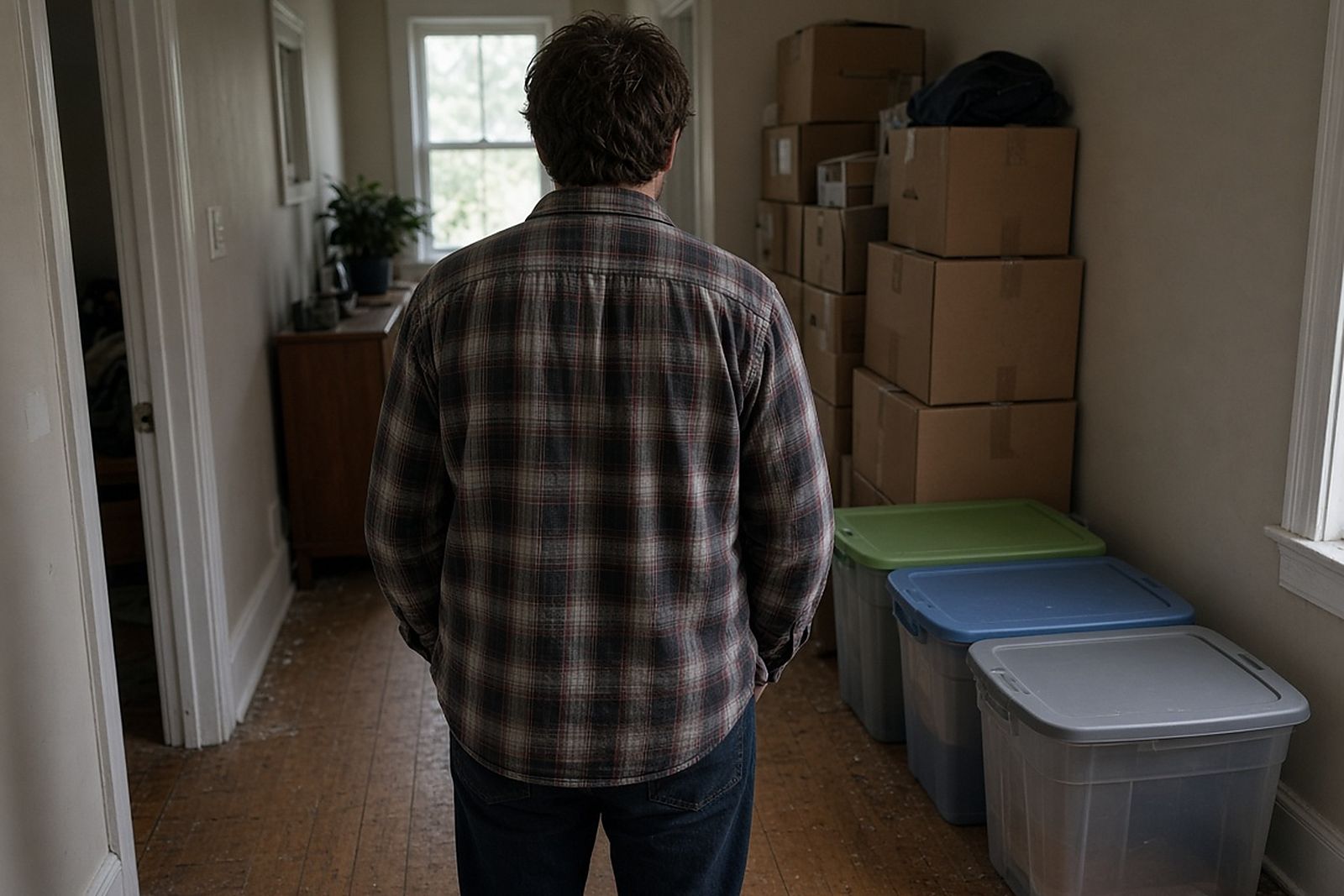
Person seen from behind in a hallway beside stacked boxes and three colored sorting bins
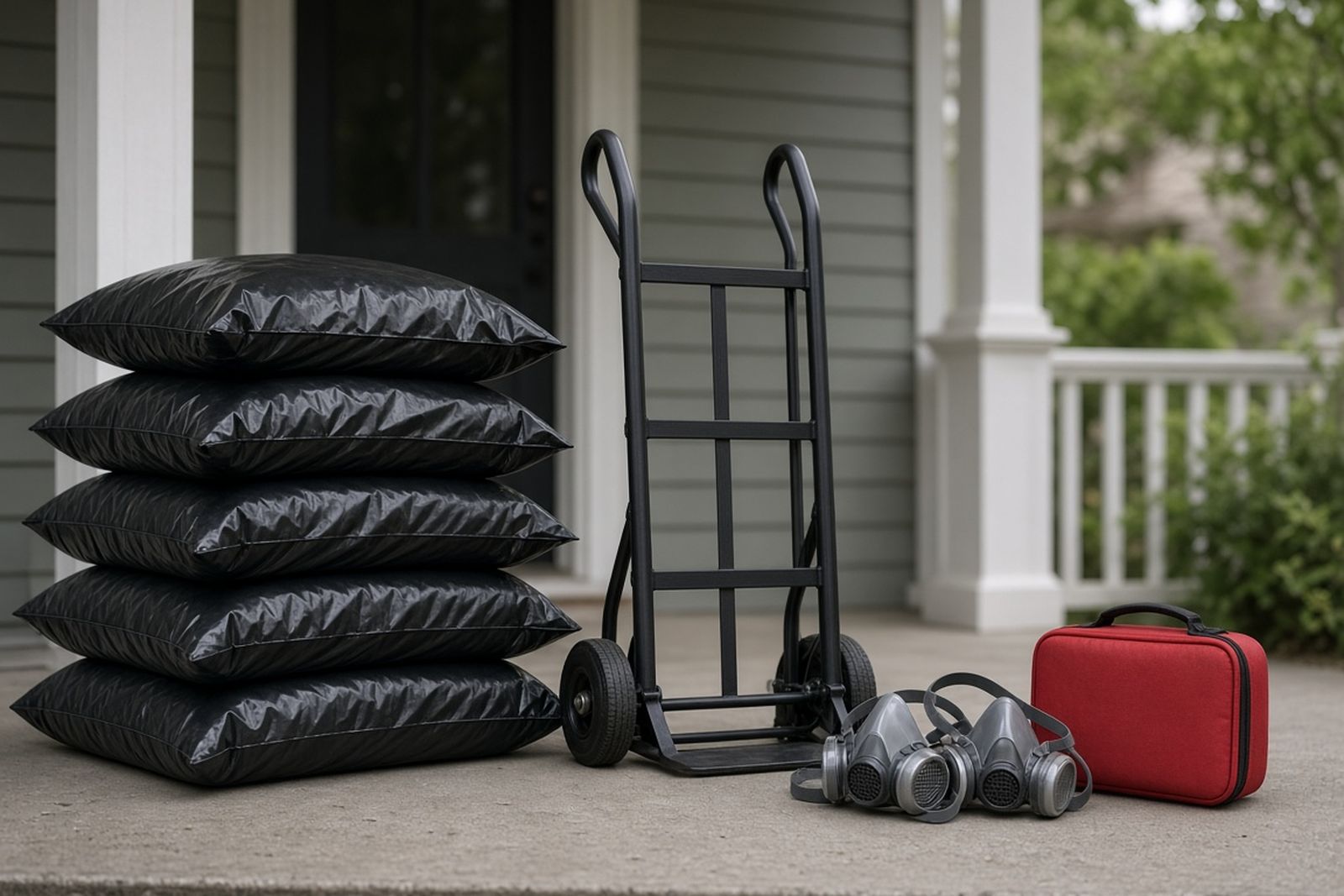
Contractor bags, a hand truck, respirators and a first-aid kit staged on a porch

Facts worth knowing

  • In focus groups with 17 English professionals, neighbours expected hoarding to be fixed right away, but the support process took a long time.

    Why it matters: If you are a neighbour or landlord, expect a hoarding case handled through agencies to take time, not be fixed at once.

    Source: Haighton et al., 2023

  • US employers must offer the hepatitis B vaccine within 10 working days of giving a worker a job with exposure to blood.

    Why it matters: If your own staff will clean up blood, this duty may apply to you; ask a cleanup company whether its crews were offered the vaccine.

    Source: OSHA, 2001

  • In a large online survey about hoarding, 0.1–3.0% across groups reported that a child or older adult had been removed from the home.

    Why it matters: It is uncommon, but if children or older adults live in your home, making it safe for them should come first.

    Source: Tolin et al., 2008

Tools that help right now

What would you do?

Poll results

Vote to see how other people answered. You can change your answer at any time.

Your experience

If a relative's home had become unsafe, what would be your first step?

Be the first to vote
Process

How much control should the occupant keep over what leaves the home?

Be the first to vote

Need help in Bellevue?

Send a short message about the property to the follow-up inbox. A coordinator can reply by email with next steps.

Your request is sent to the follow-up inbox. A coordinator can reply by email.

If anyone is hurt or in danger, call 911 first.