West · US

Hoarding Scene Cleanup Planning in Boulder, CO

Planning hoarding scene cleanup in Boulder, CO

Boulder hoarding cleanup for rentals and attached homes. Settle landlord and tenant rights first, keep dust down in the dry air, and check for snowmelt damp. This is planning guidance, not a claim of a local office or crew in Boulder.

Get an email reply about hoarding scene cleanup

Send a short message to the follow-up inbox. A coordinator can reply by email. This form does not send emergency help; call 911 first if anyone is in danger.

Tell us what you need help with. Share a short description; please leave out medical details, access codes, and other sensitive information.

A request does not confirm a booking. For immediate danger, contact local emergency services.

Or email info@hoardingcleanup.online

Direct answer

The short answer for Boulder, CO

Boulder has rentals near the university, attached homes, and houses in the foothills. The first job in any Boulder cleanout is a safe route outside. It should control dust from the dry air and moisture from melting snow. Check for germs and pests. Landlords, renters, and the city each have a part to play. Don't make up rules for campus neighborhoods or make claims about a crew.

Editorial guide · Biohazard Remediation NetworkUpdated 2026-07-22Location focus: Boulder, CO

Local planning context

Boulder has many rentals near the university and big employers. So cleanouts often involve parents who live far away, landlords, and quick lease turnovers. In attached housing, odor and pests pass through shared walls fast. Foothill homes and older homes may have basements or crawl spaces where rodents take shelter. The high altitude and dry air mean dust rises fast when piles are disturbed. Even so, melting snow and ice dams can push moisture into packed rooms at certain times of year.

For official answers, Boulder residents can check the city's fire-rescue and code pages and the county health department's website. The Colorado Department of Public Health and Environment has statewide health and environment guidance. None of these sources give anyone the right to throw out a tenant's things without proper authority. When the school year puts pressure on turnovers, set goals by stage. Open exits and control waste. Avoid the harm of a weekend purge.

Privacy matters where rentals sit close and many neighbors see the dumpster. Sorting should protect papers and devices. During wildfire smoke season, opening windows while you stir up piles can make indoor air worse. Once paths are open, plan to filter the air instead of opening every window on a smoky day. Signs of too much weight under heavy basement storage call for caution. Don't make casual engineering claims.

Property considerations

On school-year or short-term leases, confirm whether the landlord or the tenant has the right to decide before anything is thrown out.

Plan to control dust when you move dry paper piles at high altitude.

After snowmelt, check outside walls and basements for moisture.

In attached housing, time the bag-out to limit odor through shared walls, and protect the shared stairs.

Pause if a basement packed as a storage vault shows signs of too much weight. Don't send helpers onto floors that may not hold.

Check for camping fuel, solvents, and outdoor chemicals that are sometimes kept indoors in foothill homes.

Response-planning framework

Working with the lease, landlord, and family far away

Collect written permission that fits Colorado landlord and tenant rules for this property. This is not legal advice. If parents or co-signers want progress photos, use a method that protects privacy. Set times each day for decisions. Don't let a roommate without authority throw out someone else's things. Fit any city notice deadlines into a plan with clear goals for exits and cleaning.

Clearing bedrooms to the exit and keeping dust down

Before anyone sorts keepsakes, clear a path from every occupied bedroom to the main outside door. Break down paper stacks in ways that limit dry dust. Handle them with care, wear protective gear like masks and gloves, and use an air cleaning machine if it's part of the plan. Keep sealed bags off shared stairs. On wildfire smoke days, filter the air instead of opening windows wide. Photograph the cleared paths for the property file.

Sorting stations and what to save

Keep / Donate / Discard / Biohazard stations need clear rules. (Biohazard covers anything that could spread germs.) This is extra true when several roommates lived there and it's unclear who owns what. Hold disputed items. Protect IDs, immigration papers, and school records. A gentle pace cuts down on conflict when a lease is already ending in stress.

Rodent waste, snowmelt moisture, and turnover wrap-up

Keep needles and body waste apart from regular trash before any bag leaves the unit. Wet down droppings, following rodent guidance for the Mountain West. Once areas are uncovered, check basements and outside walls for moisture from snowmelt or roof problems. Wipe hard surfaces. List soft materials for the landlord to decide on. Arrange pest-proofing if rodents still have places to hide. Finish with an honest to-do list that separates cleaning from the flooring and paint needed before the next tenant.

Documentation checklist

  1. 1Lease or ownership permission for entry and for each throw-out category
  2. 2Steps for deciding from afar, if family approves by photo
  3. 3Photos of the path from each bedroom in use to the main exit
  4. 4Notes on dust and protective gear, plus air cleaner run times if used
  5. 5Hold list for items when roommates dispute who owns them
  6. 6How any needles or soiled materials were packed, and where they were taken
  7. 7Notes on moisture and pests after snowmelt season, once areas are uncovered
  8. 8Turnover to-do list that separates cleanup from getting the unit ready to rent

Official resources

Questions for this location

Why is CDC rodent guidance especially relevant for Boulder-area cleanouts?

Health teaching in the Mountain West puts extra weight on hantavirus risk when rodent droppings and nests are disturbed. Boulder County homes with basements, crawl spaces, sheds, and packed closets can shelter rodents, even in city neighborhoods. Dry sweeping or vacuuming can throw particles into the air. Public CDC guides describe a safer way: wet the droppings, bag them with care, think about airflow, and wear the right gear. Finding droppings doesn't mean anyone living there is sick. But it is a reason to change how you work right away. Set up pest-proofing as a separate job so clean rooms don't get dirty again. Write down what was found for landlords handling turnover. Check for needles at the same time, because needles and droppings can show up together in neglected spaces.

How do past roommates or sublets affect sorting in a Boulder rental?

When several people lived there over a lease, it may be unclear who owns the furniture, boxes, and papers. Without a "hold" group, a cleanout can start fights and legal risk. Ask the person with authority to decide what happens to unlabeled items. That's often the leaseholder, or the landlord under a proper process. Photograph valuable disputed piles before moving them. Don't let one roommate approve tossing another person's known belongings. The school calendar raises the risk of rushing. Still use daily goals instead of one big purge. Privacy for immigration, medical, and school records is a must. Checking for hazards goes on no matter who owns what. Waste and needles can't sit in the walkways while people argue. Written logs protect everyone when keys change hands at the end of the month.

What air quality limits matter while hauling in Boulder?

Dry paper piles kick up dust fast at high altitude. On wildfire smoke days, outside air is a poor choice for airing out the home. Plan ways to control dust. Handle items with care, wear protective gear, and use an air cleaning machine if it's in the plan. Don't assume open windows fix everything. People with asthma or other breathing problems may need to stay out of the work area. Once there are paths, change the heating and cooling filter if the system was running among the clutter. Getting rid of odor still depends on removing urine, waste, and mold. Record these air steps in the property file. They are about limiting exposure, not about selling an upgrade. If there are smoke alerts, stir up less that day instead of trying to fill the dumpster.

How do foothill homes differ from central Boulder attached rentals?

Foothill homes and bigger lots may have more room to stage outside. But they often have sheds, garages, and basements with chemicals, fuel, and places for rodents to hide. Driveways may be steeper and harder to use in bad weather. Attached rentals in central Boulder bring shared walls, small dumpster rooms, and neighbor complaints about smell. Both need the exits cleared first, but the logistics differ. One may need trash sealed tight against wildlife. The other needs good manners in shared halls. Basements packed for years that show signs of too much weight mean you pause and get an expert. Don't make up trail or open space rules that don't apply to private land. Fit the plan to the kind of building on the lease. Privacy and consent rules stay the same in both places.

What should Boulder landlords record when getting a unit ready to rent again?

Landlords should keep permission records and dated photos of the exits and the cleaning. They should also keep notes on where waste went and a to-do list. That list should separate cleaning and disinfecting from flooring, drywall, pest-proofing, and paint. Don't claim a unit is fully ready to rent if moisture or subfloor damage is still there. If the city's code process was involved, keep the notices and proof of progress. Never fake a clearance letter. Stick to facts in listings. Shaming words aren't needed and are often wrong. Be honest with new tenants about what work was done. Keep records of what happened to disputed items in case past residents say things went missing. This kind of record keeping fits Boulder's closely watched rental market and helps prevent repeat conflict. Landlords should not make claims about the mental health of past residents.

How does wildfire risk affect Boulder cleanouts?

Homes on Boulder's western edge and in the foothills sit near grass and forest that can burn. Piles of paper, cardboard, and firewood against the house or deck add fuel if a fire comes close. Clearing items away from outside walls and decks can be an early goal, along with opening exits inside. Follow any fire season or red flag warnings from local fire officials when you plan outdoor work.

How should Boulder landlords handle a tenant's belongings after a lease ends?

When a tenant leaves things behind in a Boulder rental, landlords should not just clear the unit. Colorado has rules about abandoned property. The steps depend on the lease and the situation, so check with a lawyer or a landlord association before throwing anything out. Photograph the unit, list the items, and store valuables and papers separately. Keep sealed hazardous waste and trash apart from anything the tenant may come back for.
Contact

Get help by email

Send a short message for an email reply about hoarding scene cleanup planning questions for the Denver area.

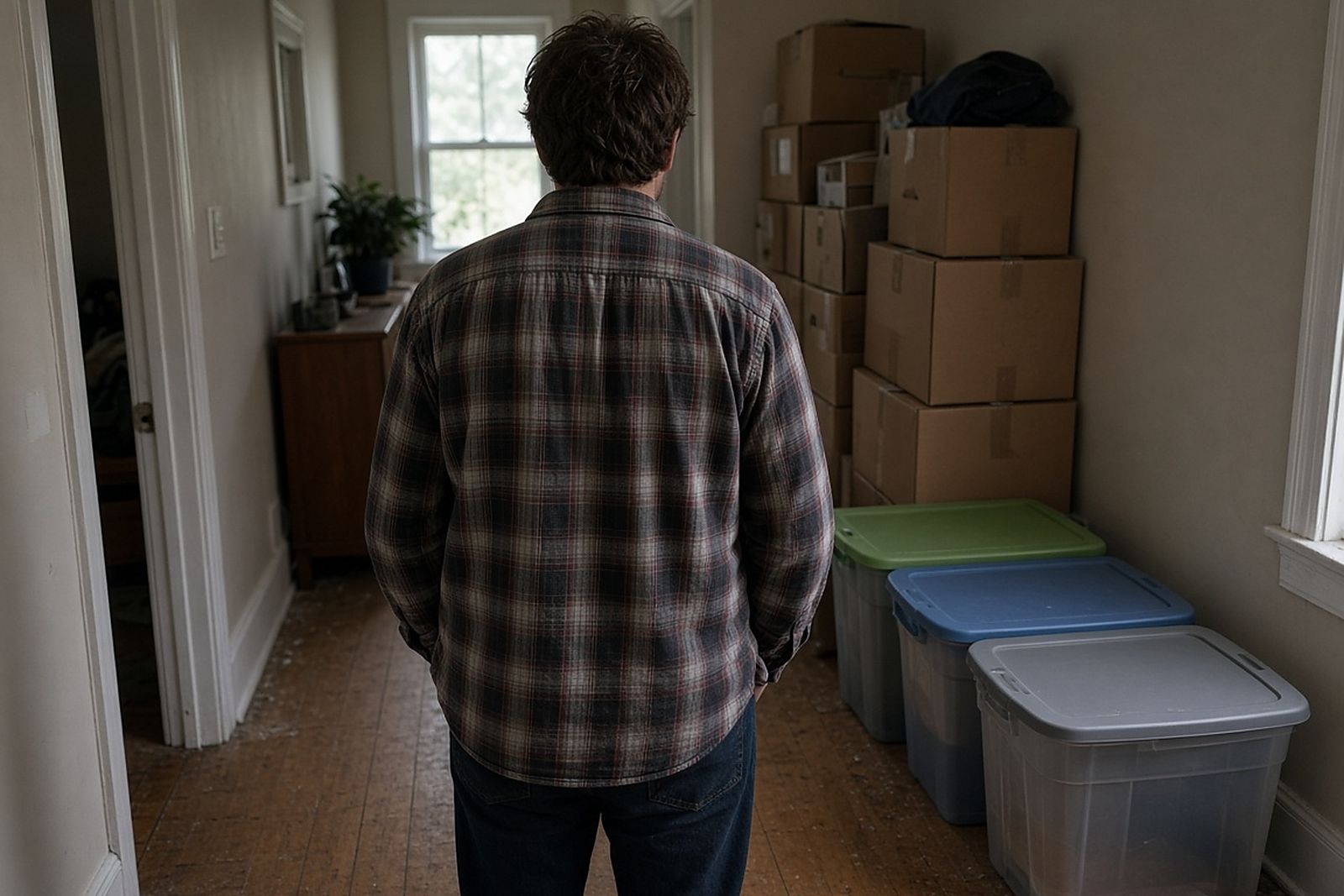
Person seen from behind in a hallway beside stacked boxes and three colored sorting bins
Illustrative photo, not a job record. Person seen from behind in a hallway beside stacked boxes and three colored sorting bins.
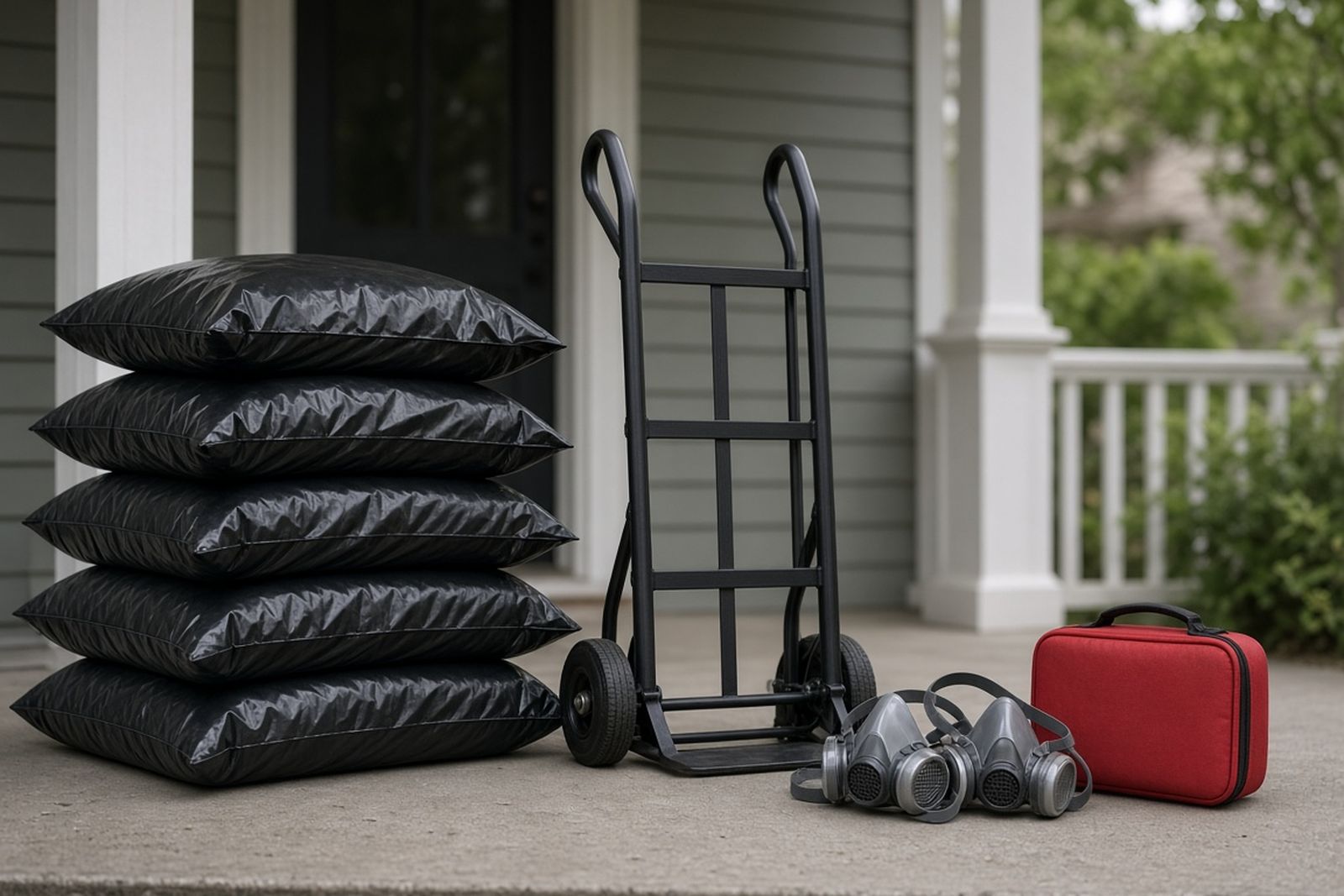
Contractor bags, a hand truck, respirators and a first-aid kit staged on a porch
Illustrative photo, not a job record. Contractor bags, a hand truck, respirators and a first-aid kit staged on a porch.

Hoarding Scene Cleanup figures to keep in mind

National and research figures, not Boulder data. Local conditions, rules and providers vary; use these for scale and context only.

116 supporters

Among 116 people supporting someone with hoarding or OCD, supporters of hoarders rated their motivation to help and perceived success significantly lower and felt more stigma.

Read with care: Small sample; self-reported attitudes.

Source: British Journal of Clinical Psychology (Dennis, Rosen & Salkovskis) (2025)UK cross-sectional survey

4–5% prevalence cited

Claims professionals note standard homeowners policies contain exclusions for neglect, failure to protect property and improper maintenance that can complicate hoarding-related claims.

Read with care: Industry commentary, not a statistical study; the 4–5% prevalence it cites is higher than the 2.5% meta-analysis.

Source: CLM Magazine (Claims and Litigation Management Alliance) (2011)US property claims practice

5-fold

Hoarding participants had a five-fold higher rate of mental health service use than comparison women and were nearly three times as likely to be overweight or obese as family members.

Read with care: Cross-sectional associations, not causation.

Source: Psychiatry Research (Tolin et al.) (2008)Comparison with National Comorbidity Survey participants

These figures are public research and agency data, not this network's own job records. Keep each number with its population, year and limits; none of them predicts cost, timing or outcome at a specific property.

Plan before you reach out

Use the first 24 hours planner for immediate steps and the provider vetting checklist to confirm any Boulder provider's training, insurance and waste path in writing.

What research has found

Findings from published studies of people and properties in situations like this one. They describe what researchers observed in a specific group; they are not predictions for your case.

Some linked increased collecting to loss, unemployment, or other difficult events.
Who was studied: 12 people with hoarding disorder in Singapore.Limits: Small local sample; reported motivations are not universal causes.An exploratory study on the lived experiences of hoarding in Singapore (2020)
Family burden included lasting changes to participants' daily routines.
Who was studied: 29 adults with relatives showing elevated hoarding symptoms.Limits: Small selected sample; relatives rated symptoms.Preliminary investigation of objective and subjective experiences of relatives of indivi… (2024)

Hoarding Scene Cleanup community polls

Poll results

Every count is a real visitor vote; nothing is seeded or padded. One vote per poll per device, and you can change your answer.

Your experience

If a relative's home had become unsafe, what would be your first step?

No visitor votes yet
Process

How much control should the occupant keep over what leaves the home?

No visitor votes yet

Planning cleanup in Boulder?

Send a short message about the property to the follow-up inbox. A coordinator can reply by email with next steps.

Your request is sent to the follow-up inbox. A coordinator can reply by email.

If anyone is hurt or in danger, call 911 first.