My HOA sent a letter. How does that change the cleanup?
It mostly changes the outside part of the job. Charlotte HOAs often control where dumpsters sit, driveway use, items left outdoors, and work hours. Ask for those rules in writing and give them to the company before hauling starts. Inside, the order stays the same: exits first, a check for unsafe items, then choices made with consent. If there are piles outside too, ask that both be planned together. The HOA can set bin rules. It cannot choose what you keep.
Who do I deal with, Fire Prevention or Code Enforcement?
It depends on the concern, and sometimes both. Fire Prevention handles fire code issues such as blocked exits and unsafe storage of things that burn. Code Enforcement handles minimum housing, nuisance and neighborhood standards, inside and out. Use their official pages to learn how to answer a notice. Then ask your cleanup company for a schedule that opens exits early and records progress. One phone call to the city does not give anyone the right to throw out a tenant's things.
How will bags get out of my apartment building without upsetting neighbors?
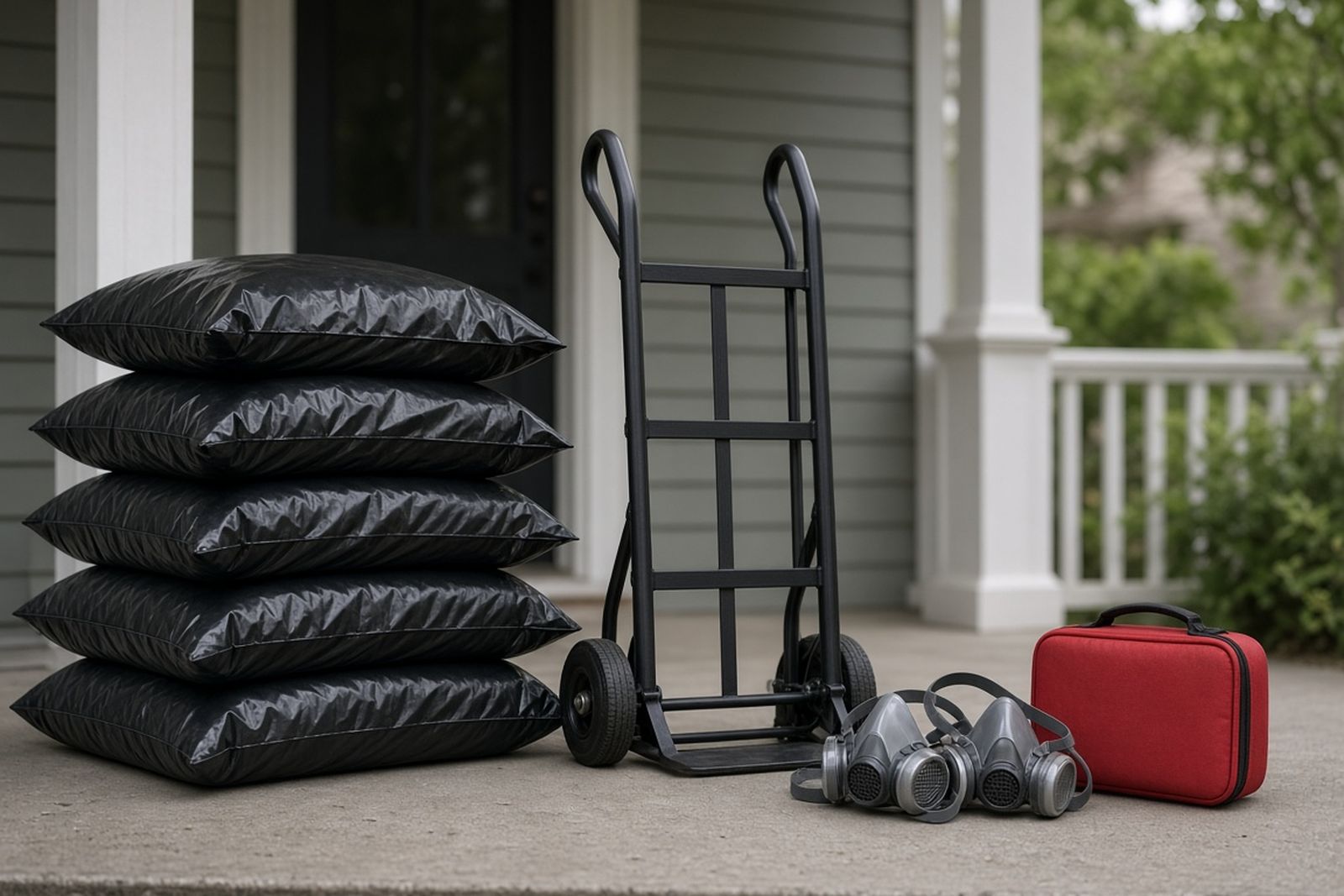
With planning and sealed bags. Ask the crew to book the freight elevator, cover the floors and handrails on the route, and tie bags tight so nothing sheds in the hall. Exit stairs must stay clear the whole time. Needle boxes and waste bags should travel apart from donation boxes. In Charlotte's tall buildings, managers often want photos of the hall before and after. Ask for copies. Good timing also means other residents lose very little elevator time.
We have a lease deadline. Can the crew just work faster?
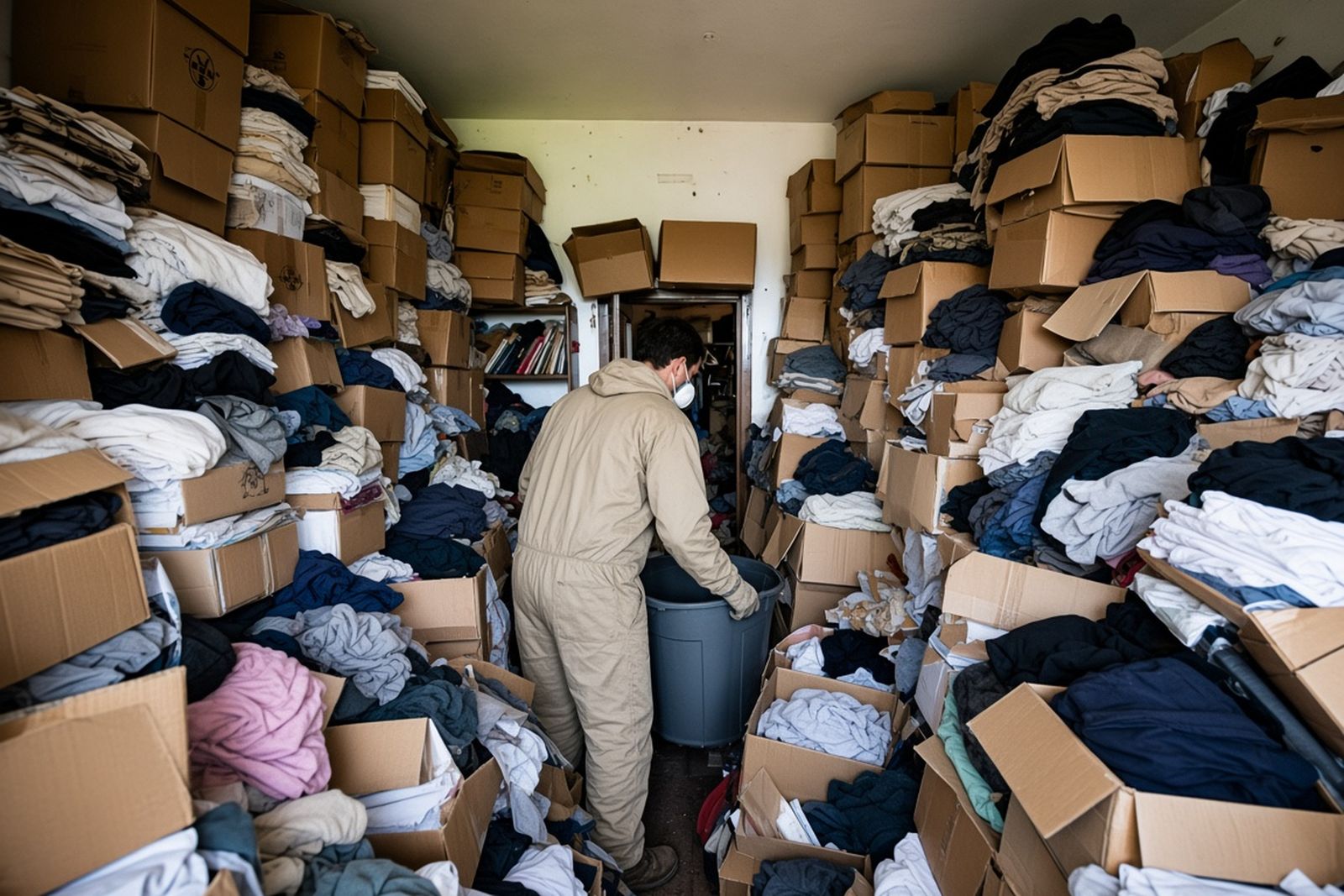
Faster is not always safer, and it can cost you more. Rushing causes injuries, stirs droppings dust into the air, and can destroy medicine or legal papers you need to keep your housing. A steady plan works in daily steps: exits, then the bathroom, then the kitchen, then one room at a time. Unsure items go into labeled boxes. Dated photos often show enough progress to satisfy a Charlotte landlord. Rushing can also leave hidden mold behind.
How do I know if the floor is carrying too much weight?
You may see floors that bounce or sag, cracks spreading from a loaded spot, doors or windows that suddenly stick, or new lines on the ceiling below storage. These are warning signs only. Stay off that area and tell the company. They should stop heavy removal there and suggest a structural expert. Charlotte has older and newer homes, and a slab house does not behave like a wood-framed upper floor. Work on exits can go on in safe rooms.
How can we keep our parent involved without the cleanup stalling?
Give your parent real choices in small amounts. Many Charlotte families manage a parent's home from across Mecklenburg County or from another state, and it is tempting to clear it while the parent is away. That usually backfires. Ask your parent to pick the rooms that matter most. Set a short time each day for looking at items, and keep a box for things they want to think about. Settle medicine, papers and photos first.
What happens to things that could be donated or recycled?
Clean, dry furniture and household goods can often go to a local charity, but call ahead. Many will not take items with odor, pest signs or water damage, which is common after a humid Charlotte summer in a closed house. Dry cardboard and paper can usually be recycled. Soiled items go in the trash. Old household chemicals should go through Mecklenburg County's household hazardous waste options. Ask the crew to keep donations away from waste bags.