Why do Nashville crawl spaces matter in a living-room hoarding cleanout?
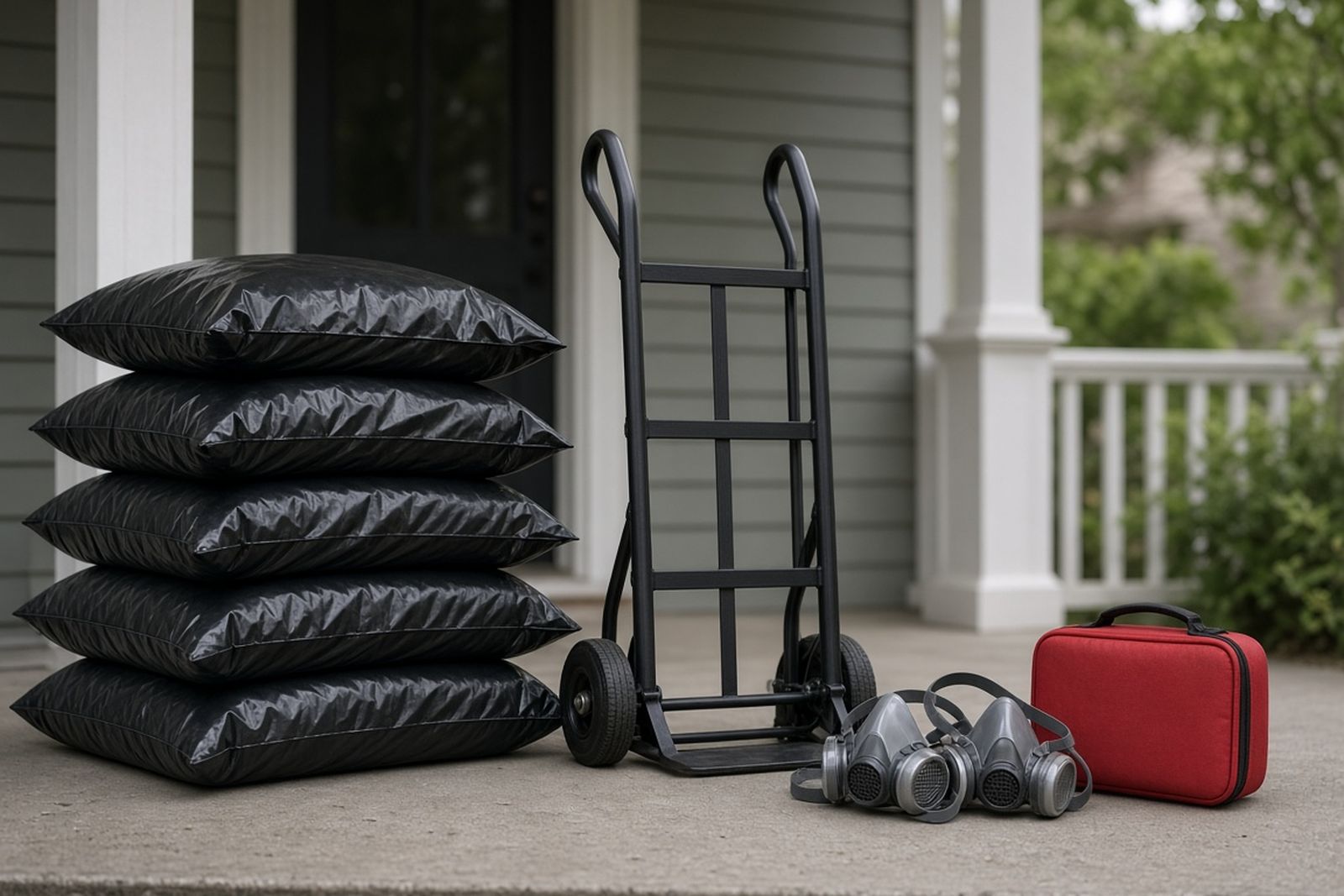
Crawl spaces and basements often let in pests, moisture, and odor. These travel up into living areas through gaps around pipes and ducts. You might clear a front room or bedroom without checking below. Then droppings, dead animals, or damp insulation can keep dirtying the floor you just cleaned. Middle Tennessee is humid, so moldy crawl spaces and musty air are common when airflow is poor. Once there are paths upstairs, a separate check of the crawl areas you can reach may make sense. Wear protective gear. This doesn't mean turning every cleanout into a big dig with no plan. Write down which areas were and weren't entered. Sealing out pests and fixing moisture are usually different trades from sorting and wiping down surfaces. Owners who skip this step often find the smell back within weeks.
How should investor owners in Nashville authorize tenant-related cleanouts?
Investor owners need written authority that matches the lease and local rules, especially if the tenant's things are still there. Throwing out belongings without the right to do so can lead to legal trouble, even when the unit looks unsafe. Figure out which kind of case it is. It may be a cleanout the tenant agrees to, an estate matter, or a process that follows proper notices. Don't guess which one applies. The cleanup should still open exits and control hazards. It should also follow a written plan for what to save. Property managers should not make keepsake decisions on their own. Keep photos of conditions before anything is removed. If there are Metro codes deadlines, match your steps to those dates honestly. Don't promise how an inspection will turn out. Mental health support for the resident is not part of the cleanup contract.
What fire risks are common in Nashville hoarding cleanups?
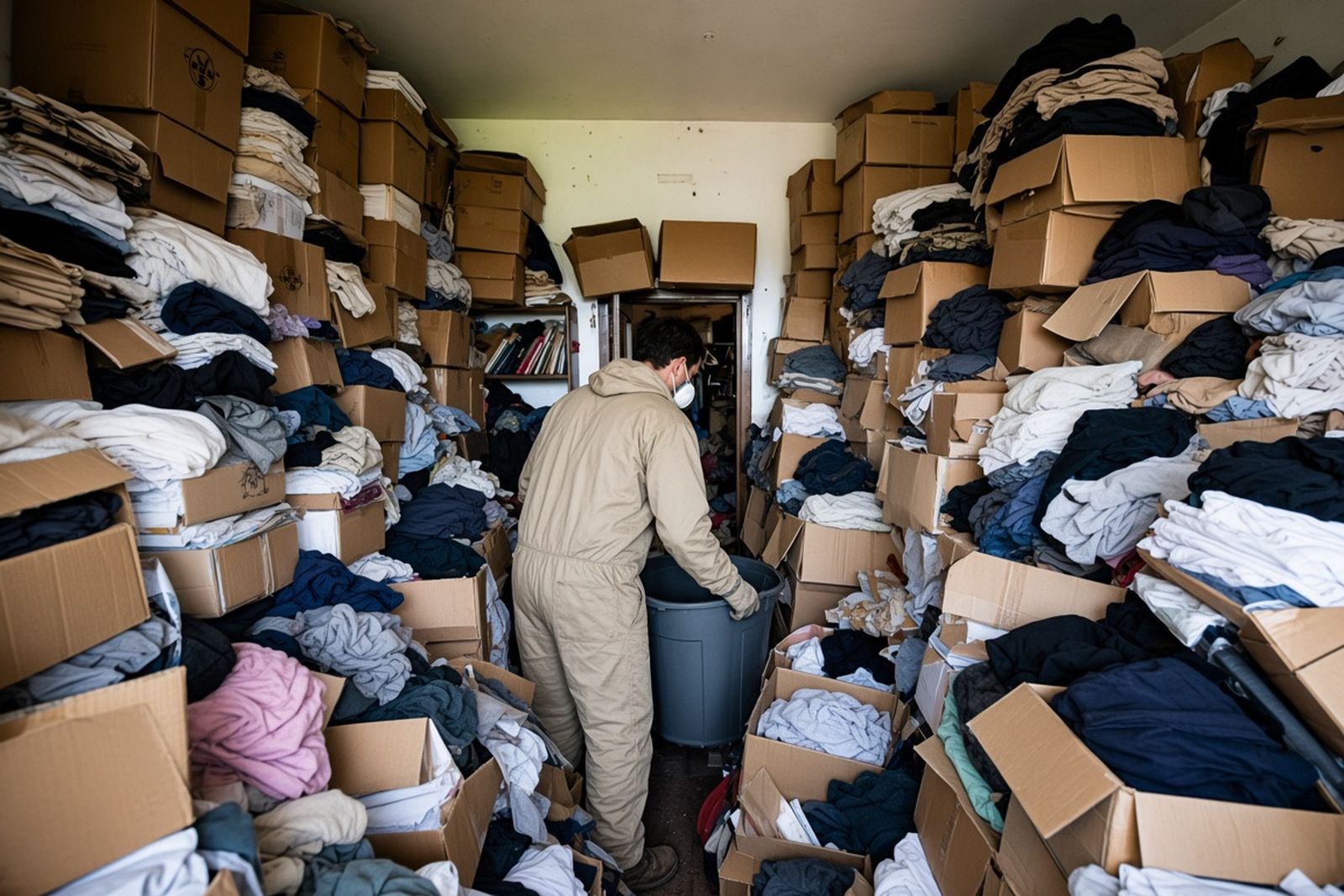
Some safety problems come up again and again. Exits are blocked, and things that burn are stored near heaters or kitchens. Outlets are buried under overloaded power strips, and paper stacks make it hard for firefighters to get through. The Metro Fire Department focuses on emergency response and teaching prevention. It is not a service for hauling things out. Early work should widen the path to the exits and uncover detectors and panels. Don't create new hazards with temporary cords snaking through the aisles. If space heaters were used in cluttered rooms, treat nearby items as a higher fire risk during clearing. Take photos to show how you cut the fire risk. Signs of stress under very heavy stacks mean you should pause for a qualified expert. Cutting fire risk can go hand in hand with a gentle pace. Daily goals should focus on paths, not on making rooms look empty.
How is animal waste handled during Davidson County cleanouts?
Animal urine, feces, and nesting material are hazards, not ordinary clutter. They change what protective gear you need and which cleaners you use. They also decide whether the flooring can be saved. Keep these materials away from donations right away. An ammonia smell may mean urine has soaked into the subfloor. That will need a repair plan once the piles are gone. If live animals are there and have been neglected, animal care agencies may have their own role, separate from the cleanup. Pause and use the right channel. Don't try to take animals yourself. Workers should not dry-sweep dried waste. After removal, disinfect hard surfaces. List soft materials so the person who decides can choose what to toss under the consent rules. Keep records for landlords or buyers who will ask what was found.
What does “done” mean after a Nashville hoarding cleanup step?
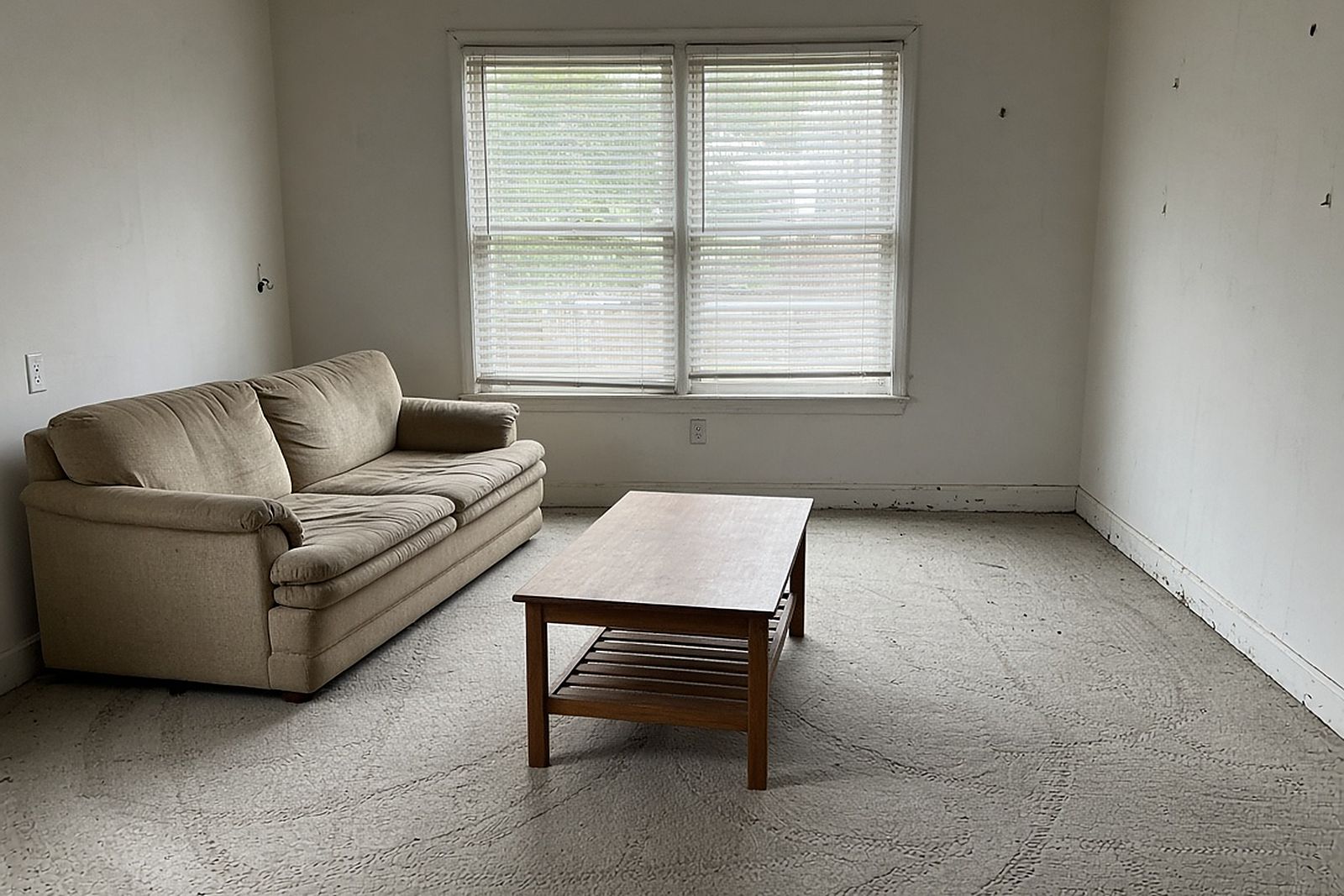
Write down what "done" means before work starts. A common meaning includes a reopened main exit and removal of the waste piles you can reach, following the consent rules. It also covers safely packed needles or hazardous waste, clean and disinfected hard surfaces, and a to-do list for pests, moisture, and rebuilding. It usually does not mean new flooring, fresh paint, or recovery from hoarding disorder. Sale or rental ads should not say a home is fully restored if subfloor damage is still there. Give owners a room-by-room chart showing the status of each. This helps prevent disputes in a fast housing market where buyers and renters expect honesty about the work left to do. Don't suggest that the home is sure to pass an inspection.
How do Nashville's spring storms and flooding affect a cleanout?
Heavy spring rains in Middle Tennessee can flood low yards, basements, and crawl spaces along the Cumberland River and its creeks. If a Davidson County home has had water in the lower level, things stored there may be soaked or moldy. That can be true even if the living areas look dry. Check basements and crawl space openings early. Plan hauling around the forecast so bags don't sit in the rain on a driveway.
What should a Nashville family do if the resident is renting and facing an eviction deadline?
Nashville's fast rental market can put tenants on tight timelines. First, confirm the real deadline in writing with the landlord or property manager. Then focus on what matters most: medicine, IDs, lease papers, and things the tenant needs to move. Ask if the landlord will give more time if you show progress with photos. If legal questions come up, a tenant legal aid office can help. The cleanup crew can't give legal advice.