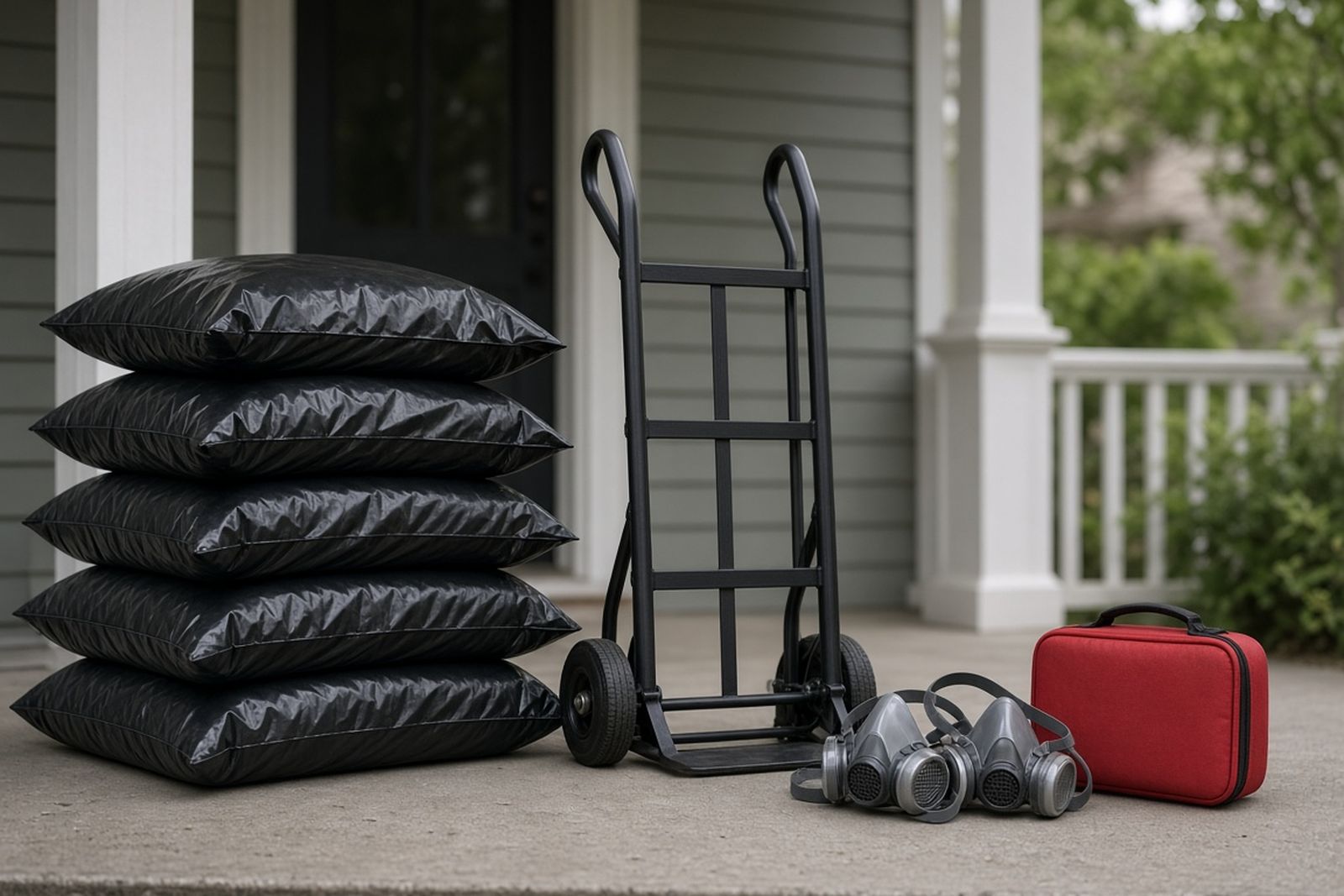
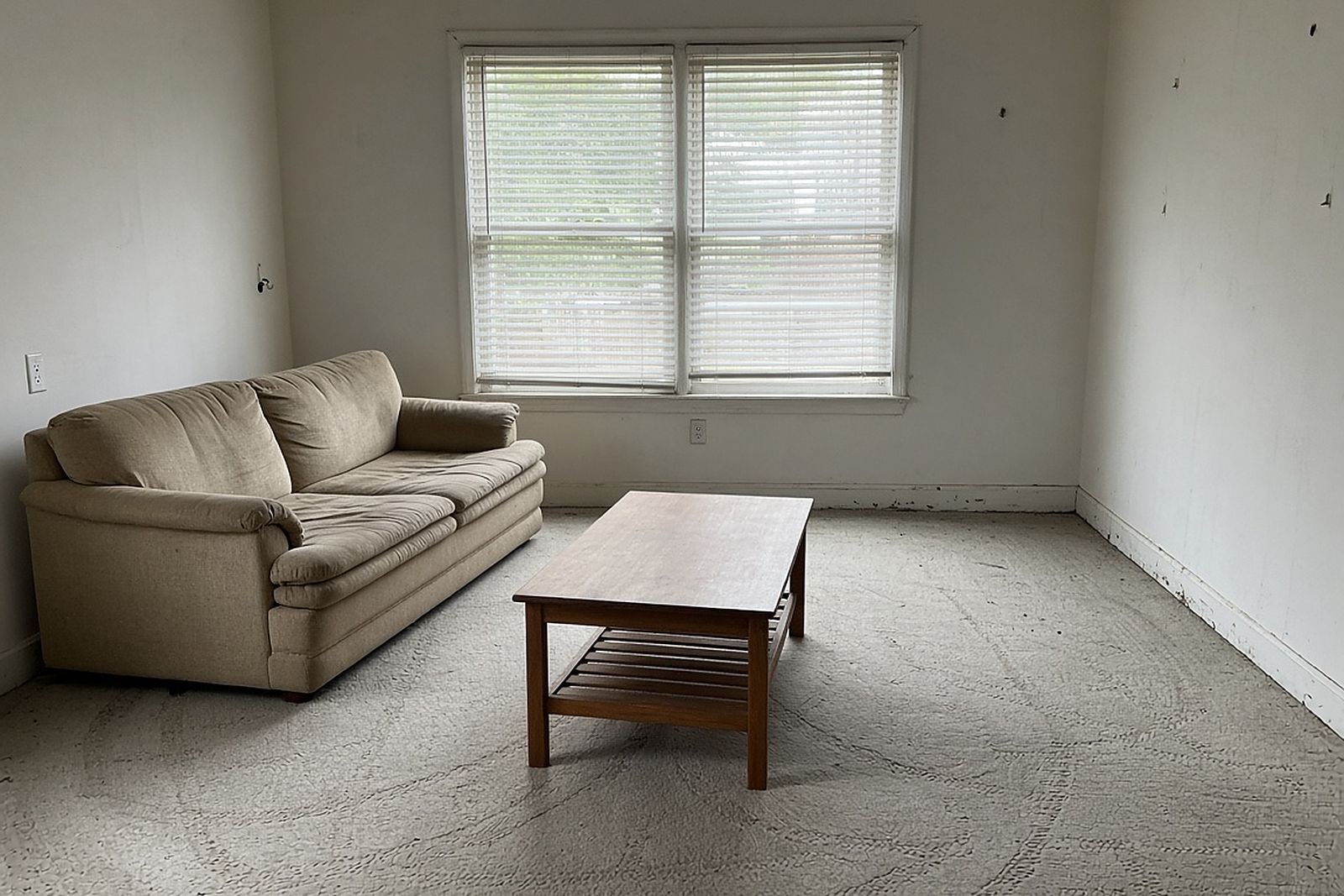
Hedged double-dune lots near Georgica and Accabonac often hide blocked back wings and winterized studio cottages. The same goes for compounds near Wainscott and Amagansett. From the road, your plantings look neat. Soft soil at the driveway's edge, reed beds, and one-way entrances toward the choke points on Montauk Highway decide whether a dumpster day can even happen. Foggy spring and fall weather keeps closed rooms clammy, and coastal gales keep houses shut for weeks. Art handlers and landscape crews may want the same pad you do. Many homes here are year-round estates with trustees, which adds a signature to every step.
You can start with the town's website and the county health department for questions about wells, septic systems, and sanitation. Fire safety rules live on the official sites. No agency labels the person who lives there or runs a keep-or-let-go counter. A caretaker's key doesn't give anyone the power to toss trust property. So pair the official advice with written approval from your trustee, executor, guardian, owner, or court appointee before any cart moves. Even a gallery's list of works needs a named person with the power to say yes.
Sibling trustees, city lawyers, and caretakers often disagree about gallery crates, sailing trophies, or decades of paper files. Set small targets for your family each day, and use dated review crates with photos for anyone approving from far away. Droppings in closed studio cottages should be soaked before cleaning, because a broom only spreads them. Your site has its own weather to plan for: salt spray on the Maidstone bluffs, wind on the Napeague stretch, and fog off Gardiner's Bay. Cedar shakes swell, and rose-hip hedges hide back studios. The fire truck still needs its entrance.