Southampton, NY

Hoarding Scene Cleanup Planning in Southampton, NY

What to do, who to contact, and what to ask in Southampton.

Southampton, NY hoarding cleanup help: check every building someone sleeps in, haul on quiet midweek days, and get the owner's choices in writing.

Get an email reply about hoarding scene cleanup

Send a short message to the follow-up inbox. A coordinator can reply by email. This form does not send emergency help; call 911 first if anyone is in danger.

Tell us what you need help with. Share a short description; please leave out medical details, access codes, and other sensitive information.

A request does not confirm a booking. For immediate danger, contact local emergency services.

Or email info@hoardingcleanup.online

The short answer for Southampton, NY

On a Southampton property, the main house is only part of the picture. Someone may also sleep in a pool pavilion or a staff cottage, so check every building for a clear way out first. Then plan your hauling for quiet midweek days, keep the dune-road entrance open, and get the owner's or trustee's choices in writing.

What to do, step by step

  1. 1

    Check each building where someone sleeps

    Trace every occupied bedroom to the door it would use in an emergency. That includes your main house, a pavilion where someone sleeps, and any staff cottage. Then walk to the shared driveway entrance. Take photos where you can't get through. Smoke detectors should be uncovered in each building. Leaning stacks come down slowly. Empty midweek days only help if those lanes open before the next Friday arrivals. Tall plantings that hide your house from the road don't count as a way out.

  2. 2

    Haul midweek and keep the dune road open

    Have everything bagged indoors. Loads then move in written midweek times, at a curb or pad that leaves the fire truck path clear. The Friday-to-Sunday rush of peak season is your reason to plan ahead. Open piles left overnight draw wildlife and curious eyes, so ask that none be left. If a catering truck or landscape crew takes the pad you wanted, you'll need a backup time set before hauling day. The estates next door only need your truck hours.

  3. 3

    Get the trustee's go-ahead around the rental calendar

    Get the trustee's or owner's written go-ahead before anything leaves your property, even if the family is away until Memorial Day. Your house manager handles logistics and holds the keys. Neither one makes that person the one who chooses what's tossed. Prescriptions, passports, and estate papers go into a sealed tote on day one, before seasonal staff rotate out. Boating keepsakes and money binders in dispute go into dated hold boxes, with photos for owners who live elsewhere. Seasonal helpers without masks and gloves should leave nests to the crew.

  4. 4

    Sort the beach house waste and ask for an honest finish

    Beach house garages add their own kinds of waste. Chlorine, boat fuel, and propane stay apart from your trash, recycling, and donation boxes. Off-season mouse nests get sprayed with disinfectant and left to soak before cleanup. A good crew wipes the hard surfaces in the rooms it worked on, then notes soft floors and water stains on ocean-facing walls as repair jobs. Expect to hear that your property is safe to live in. Don't accept "ready for guests" if repairs are still needed.

What cleanup is like in Southampton

In peak season, rental calendars fill Southampton main houses from Friday check-in through Sunday checkout. Midweek, your house may look empty. Yet a pool pavilion or staff cottage may still have someone sleeping there, hemmed in by paper. Ocean humidity swells cardboard, and salt air eats at hardware once piles leave the walls. A dune road with one way in, or a gated circular drive, looks roomy until a big dumpster blocks the only path for fire trucks. So your plan has to cover every building, and your loading days will likely fall midweek.

The Town of Southampton and the Suffolk County Department of Health Services can point you to town and sanitation contacts. Those agencies don't label your guests or sit in on sorting. Your house manager's key ring gives no right to throw out trust property. A full rental calendar puts pressure on your schedule. It doesn't hand anyone the right to discard. That right stays with the owner or trustee, in writing, and with the person who lives there whenever they can take part.

Owners who live elsewhere, sibling trustees, and seasonal staff often disagree about boating keepsakes, guest room linens, or decades of brokerage files left in a den. Ask for modest goals on midweek days and for review crates kept out of the damp. No cardboard should touch your gravel until it's been looked through. In closed-up cottages, droppings get wet down first, since sweeping blows the dust around. Chlorine tablets and generator gas are packed on their own, far from linens and upholstery. Afterward, mouse sealing and damp repair are separate jobs. A scent machine fixes neither.

What to expect for your type of home

  • Oceanfront main houses: Salt air hides damage behind stacks. Ask for the main house to be listed on its own line of your bill, so charges can't blur across the estate.
  • Pool pavilions: People sleep in them more often than families expect. Put the pavilion on the first walk, and ask for its bedroom and bathroom paths to be opened early.
  • Staff cottages: A cottage needs its own exit check and its own line in the plan. Ask that outdoor showers, pool chemicals, and generator fuel nearby be checked apart from the papers.
  • Dune-road properties with one way in: Have the dumpster measured against the narrow entrance, the gated pad, and the hydrant. A fire truck still has to get past it.
  • Salt-damp shingle cottages: Boards can soften over closed-up winters. If a floor gives, plaster cracks, or a door starts to stick, ask the crew to stop pulling stacks there.
  • Homes rented in summer: Your bookings set the clock. Ask the company to finish each sleeping space between guest stays, and book haulers early, since they get busy in peak season.

Papers and records to keep

  • The owner's or trustee's sign-off on the sorting rules, obtained before the seasonal staff leave
  • Before and after photos of bedroom paths in the main house, pavilion, and staff cottage
  • A sketch showing the dune-road entrance, the gated pad, and each outbuilding door
  • An off-season tote list for medicine, IDs, devices, and trust papers found across the estate
  • Where each load went: debris, recycling, donation, sharps, chlorine, and boat fuel
  • Notes on mildew and mouse nests found behind stored items in the shingled cottages
  • A list of hold boxes, with dates and photo numbers for owners who live elsewhere
  • An off-season repair list for your contractor, cottage by cottage

Local offices and official help

Common questions in Southampton

Why check the pavilion and staff cottage before the main house keepsakes?

Because someone may be sleeping out there while your front hall looks calm. Medical help gets stopped first by a blocked bedroom, wherever that bedroom is. Ask for photos of each spot before and after it's opened, in every building where someone stays. Smoke detectors should be uncovered early. A cleared oceanfront living room doesn't prove anyone can reach the pavilion bathroom at night.

It's peak rental season. Does that change who can approve what's thrown out?

No. A full calendar squeezes the logistics, and that's all. Many East End owners live elsewhere most of the year, so get a signed letter from the trustee, executor, or owner before a single cart moves. Anything medical or legal found in a pool house or cottage goes straight into the trustee's sealed tote, whatever the season. Your house manager can plan the midweek times without having any say over personal belongings.

The company's last job was a city walk-up. Will that plan work at our place?

Not as written. A plan for a New York City walk-up assumes stairs, stoops, and curbside pickup. Your Southampton compound has one gated driveway, soft ground near the dunes, and a pool house or staff cottage that may have people living in it. Ask the company to walk the land with you. It should measure where a dumpster can sit without blocking fire access, and plan each outbuilding on its own.

What should happen to the pool chemicals?

They go in their own hazardous group, along with fuel and spray cans, well apart from living-room fabrics and donated clothing. Have the outdoor shower area and the generator fuel checked on day one. Ask the town or county how to drop these off, so they aren't left for the trash hauler. Relatives without gloves should stay away from the pool shed. Ask for each type to be logged, so chemicals can't hide inside a debris charge.

What does "finished" mean when guests are due?

Before your next guest arrives, every building someone sleeps in should have open exits, a working bathroom, and no hazardous items left behind. Salt air and closed-up winters may leave floor, pest, or damp repairs for later. Don't accept a town certificate unless one was really issued. Dated photos show which cottage or pavilion was finished when, which helps if a renter or agent asks.

When is the best time of year to do this?

Spring or fall, if you can choose. Summer brings heavy traffic, crowded roads, and full rental calendars to Southampton, and all of that makes truck access harder. If your home is rented in summer, the work has to fit around bookings and guests. Local haulers and dumpster companies also get busier in peak season. Whenever you go, book early and expect the loading to happen midweek.

What about the boats, kayaks, and beach gear?

The owner or trustee should approve letting go of any boat or valuable gear in writing. Southampton garages, sheds, and cabanas often hold boats, kayaks, paddleboards, fuel, and beach gear. Fuel and boat chemicals must go to a proper disposal site. Usable gear may be donated to local programs or sold. Before any of it leaves, have the boats checked for registration papers and personal items.
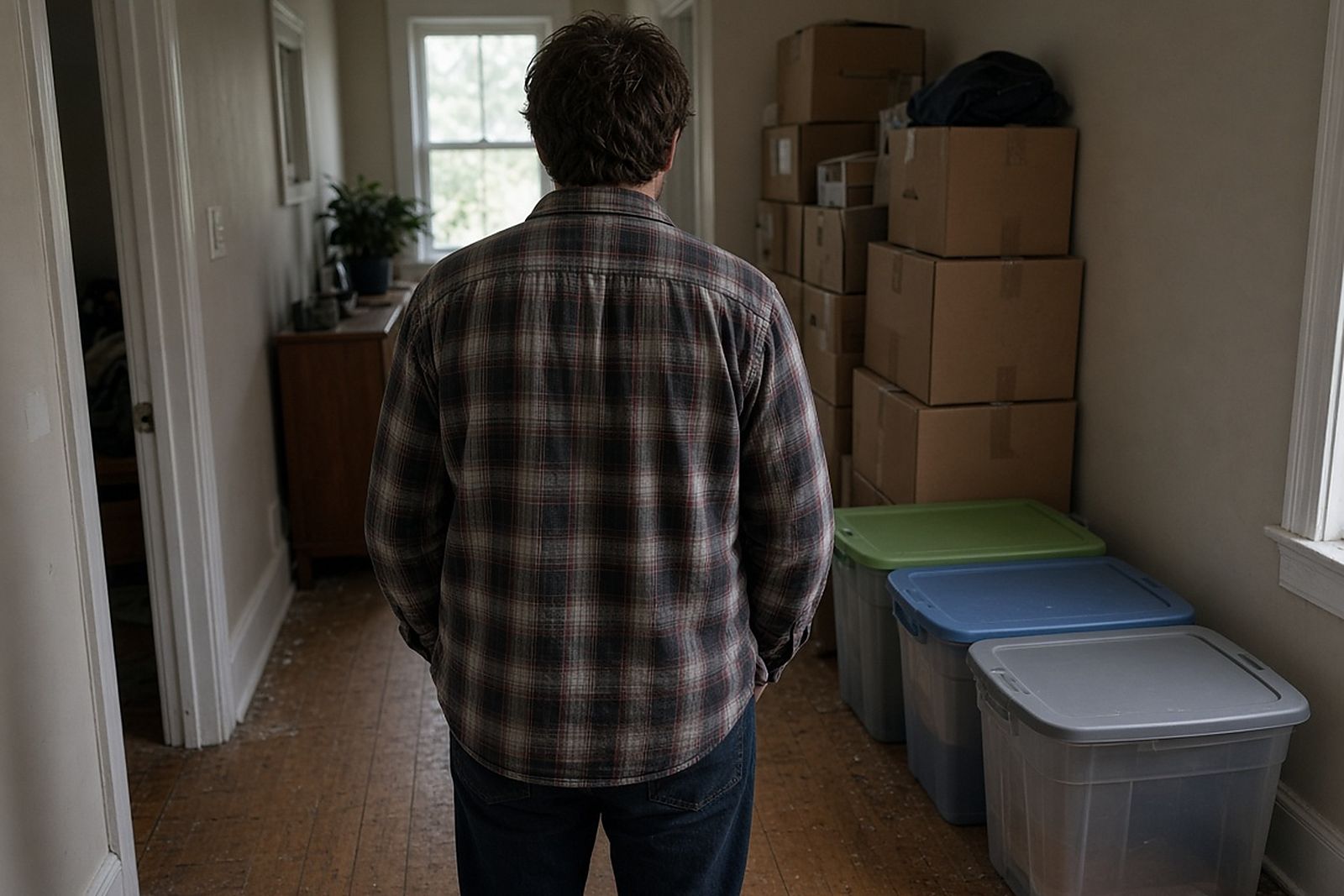

Person seen from behind in a hallway beside stacked boxes and three colored sorting bins
Contractor bags, a hand truck, respirators and a first-aid kit staged on a porch

Facts worth knowing

  • Claims professionals say standard home insurance policies have exclusions for neglect, failing to protect property and poor upkeep that can complicate hoarding-related claims.

    Why it matters: Read your policy's exclusions and ask your insurer before you assume damage in a hoarded home will be covered.

    Source: CLM Magazine (Claims and Litigation Management Alliance), 2011

  • In a large online survey about hoarding, 0.1–3.0% across groups reported that a child or older adult had been removed from the home.

    Why it matters: It is uncommon, but if children or older adults live in your home, making it safe for them should come first.

    Source: Tolin et al., 2008

  • At one New York City eviction-prevention group, 20% of the 25 clients with hoarding said they had been evicted before.

    Why it matters: Eviction over hoarding does happen, so take your landlord's written warnings seriously and keep copies of them.

    Source: Rodriguez et al., 2012

Tools that help right now

What would you do?

Poll results

Vote to see how other people answered. You can change your answer at any time.

Your experience

If a relative's home had become unsafe, what would be your first step?

Be the first to vote
Process

How much control should the occupant keep over what leaves the home?

Be the first to vote

Need help in Southampton?

Send a short message about the property to the follow-up inbox. A coordinator can reply by email with next steps.

Your request is sent to the follow-up inbox. A coordinator can reply by email.

If anyone is hurt or in danger, call 911 first.