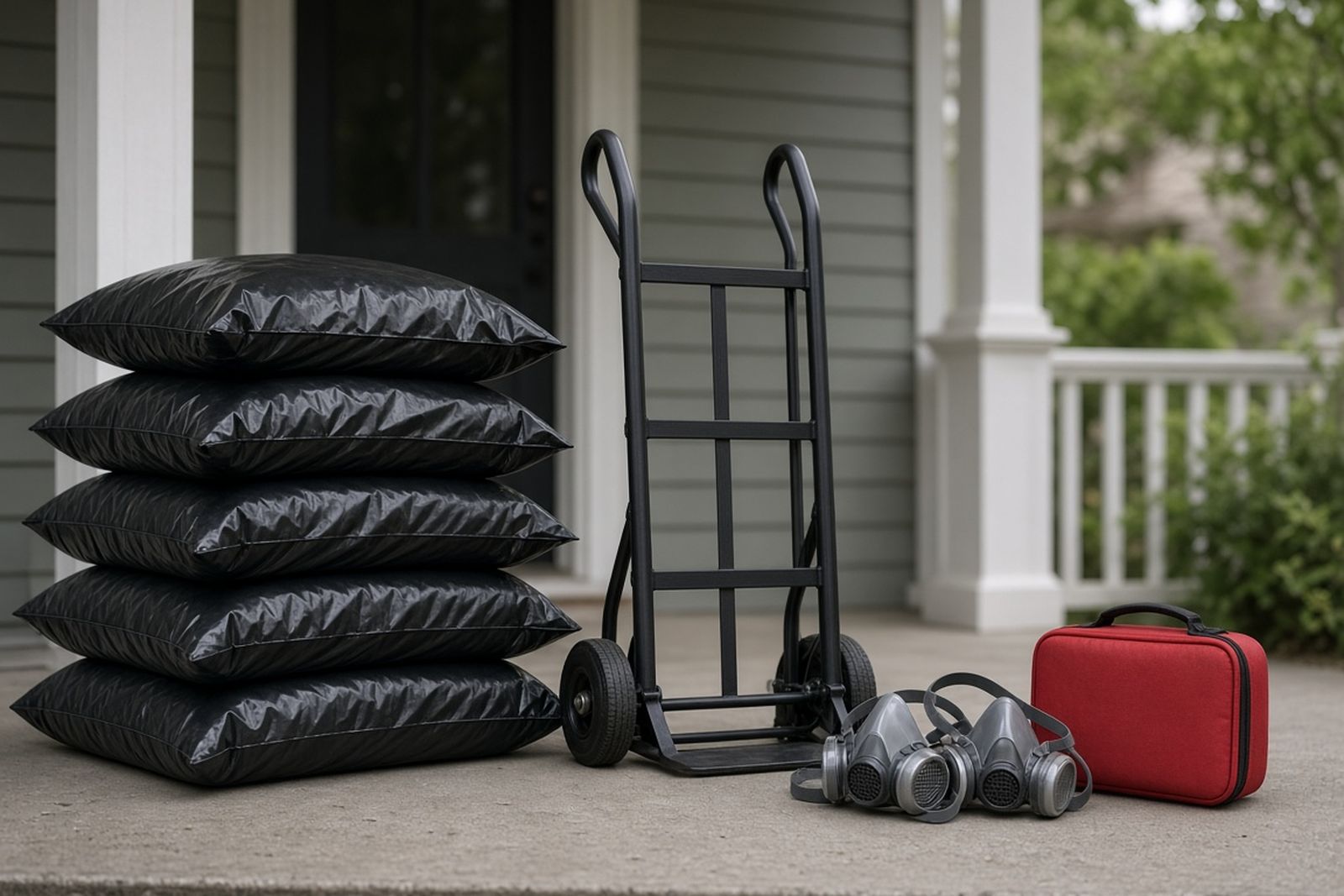
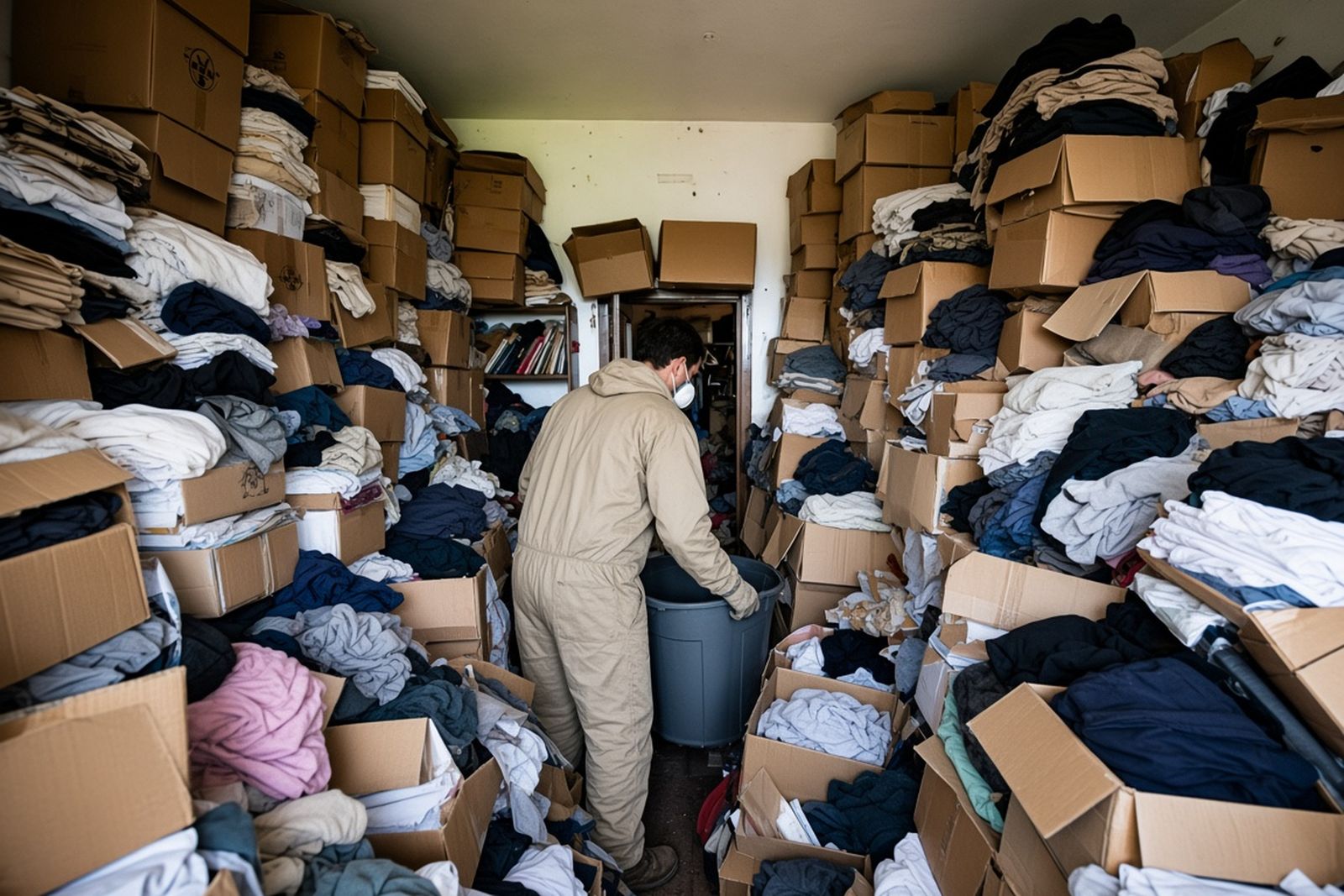
Some New York families look after more than one full home, spread across the boroughs. One may be a walk-up tenement, the next an elevator co-op, a condo tower, or a low-rise house. A plan for a Bronx stairwell fails at a Queens garden apartment's dumpster pad. A Brooklyn stoop plan fails inside a Midtown freight elevator. So ask for a fresh route for every address you have. Your sealed bags will share stairs, passenger elevators, sidewalk sheds, and curb lanes with strangers. Layered floors and built-in cabinets also hide more than a quick look shows, which can add days.
FDNY and NYC Health post citywide advice on fire safety and public health. The housing and buildings departments add rules that your managing agent enforces. None of these offices picks someone to throw out your things, and none of them labels the person who lives there. If you get an official letter, check it on the city's own sites. Fire safety staff usually care about two things. Are the exits open? And could stored items feed a fire that traps people? The right to let things go stays with the person named in the ownership, lease, co-op, trust, or court papers.
Some companies that work across boroughs push one standard bill, with a fogging charge on it. You can say no to that. Your privacy is part of the plan too. Courtyard hours, package rooms, and tourist crowds differ by neighborhood. Ask for a gentle pace, with tables labeled Keep, Give, Let go, and Special disposal. When relatives disagree, use review crates. Pull prescriptions, IDs, and housing papers into a sealed tote early, so a trip between boroughs doesn't scatter them. Mouse or rat droppings get wet down before anyone touches them.