How do Beverly Hills condominium rules change a hoarding cleanout plan?
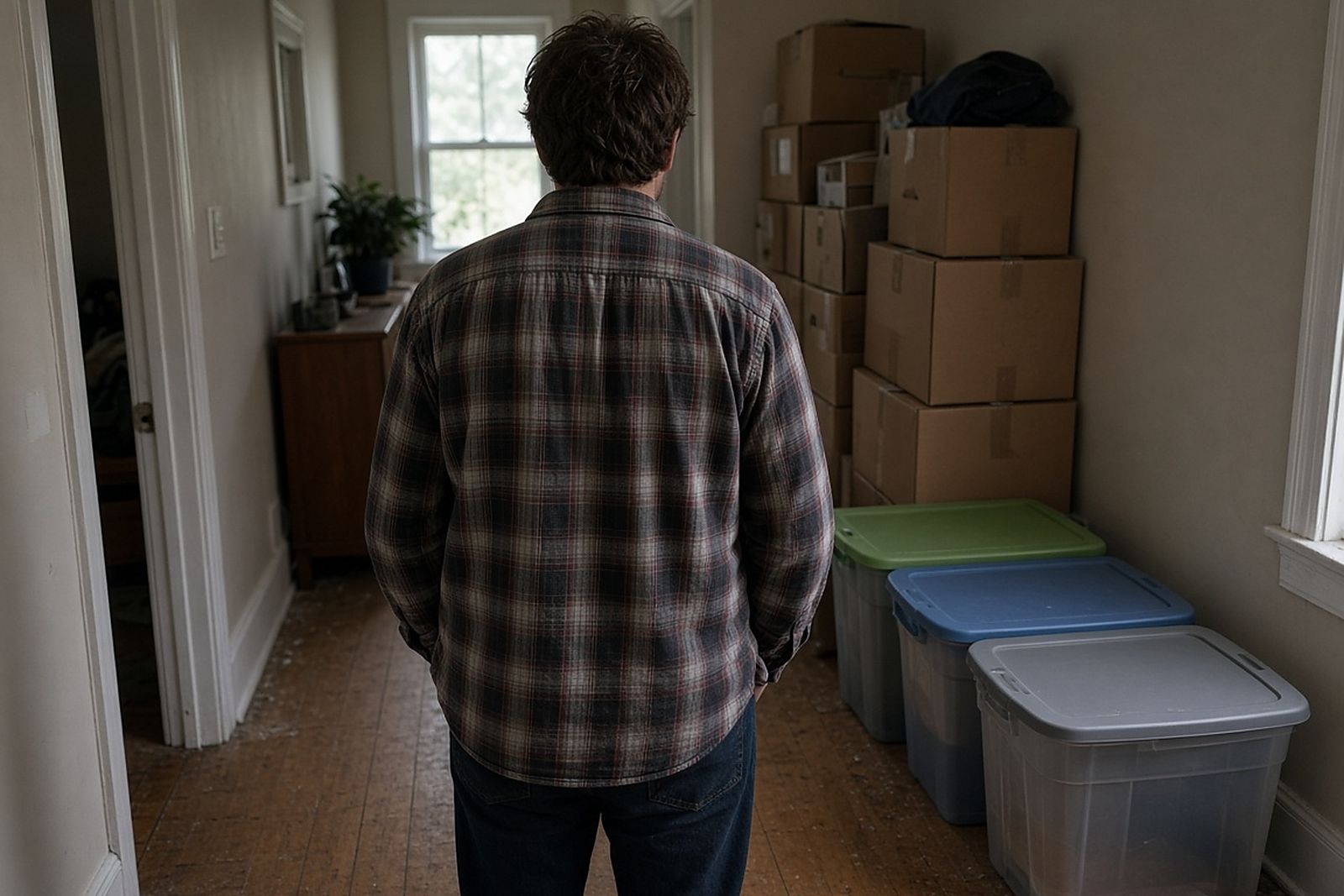
Condo papers and management rules often control dumpster spots, elevator use, work hours, and hallway protection. Those rules apply even if they are silent on sorting indoors. Skipping them can mean a truck turned away at the gate and an unhappy HOA board. Confirm where things can be staged. Book freight elevators, cover floors and handrails, and plan bulky removal during allowed hours. Inside the unit, the order doesn't change. Open exits, check for hazards, and let the person with authority make the calls. Tell the building manager or HOA only what they need: dates, hours, and which elevator and entrance you'll use. Get the owner's sign-off on each group before items leave for consignment, charity, or disposal.
How do fire safety offices differ from the city's community preservation office?
Fire-focused resources stress safety. They look at blocked exits, things that could burn, and conditions that put residents or responders at risk. Community preservation or code offices may look at wider property condition or upkeep concerns. Either office may get involved, but neither will sort the home for you. Read the City of Beverly Hills pages to understand any notice you get. Then plan the work so exits open first. A call from a city office isn't permission to throw out someone's things. Only the owner, trustee, conservator, or other legal decision maker can approve discards. Any mental health support belongs with the resident's own care team, not the cleanup crew.
How do Beverly Hills condo buildings expect bags to move through shared hallways?
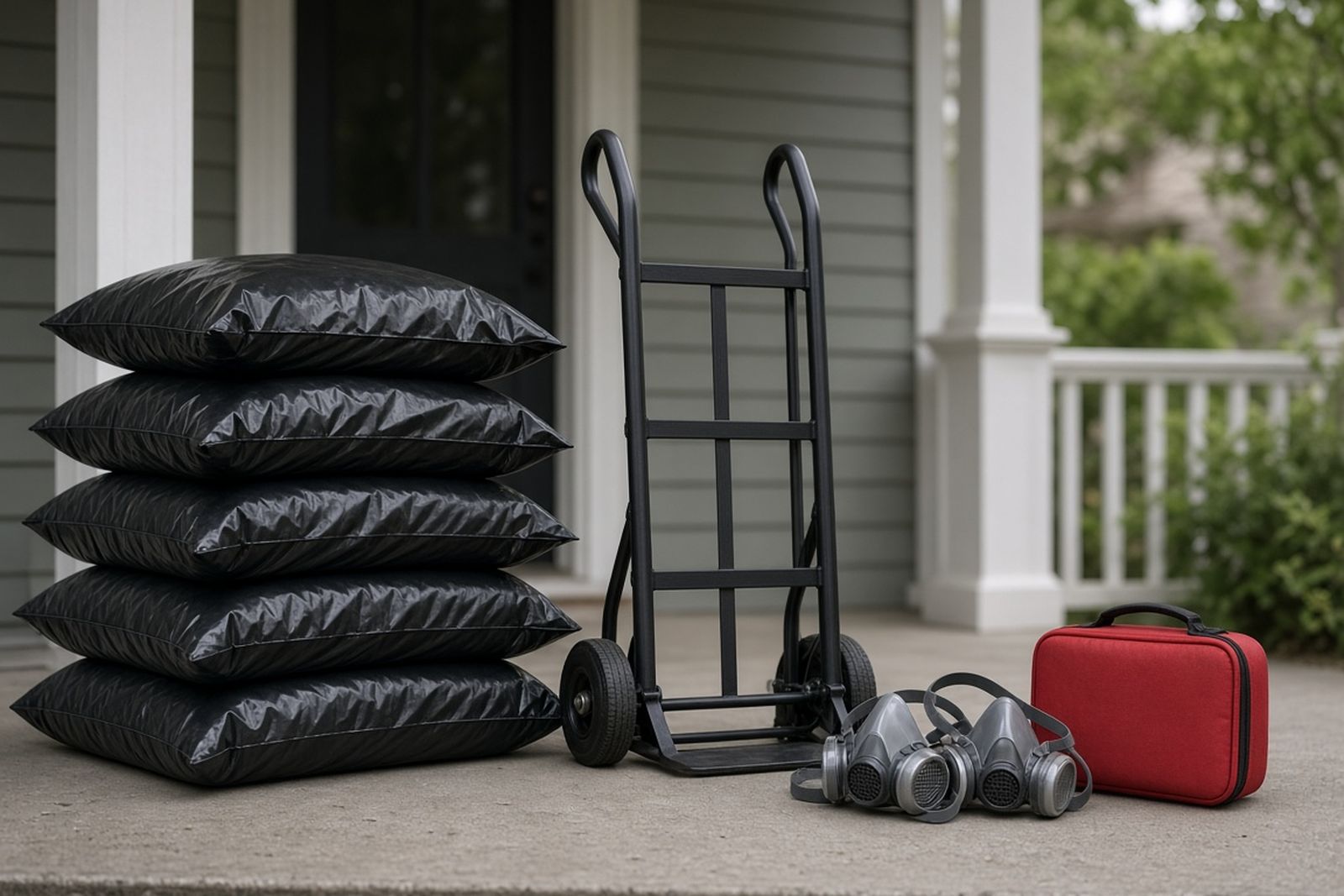
In a Beverly Hills condo building, neighbors and the board notice dust, odor, or one leaking bag in the lobby right away. Book the service elevator. Lay covers over marble or carpeted halls, and double-bag fabrics so nothing sheds between the unit and the loading dock. Don't block exit stairs with bags. Keep needle boxes and red medical waste bags on a separate cart from anything going to consignment or charity. Take before and after photos of the hallway and elevator car, so the building has a record that its finishes were protected. If insects or rodents are present, tape bags shut so pests don't travel into shared trash rooms or nearby units. Never park carts or bags in stairwells or in front of exit doors. Other residents need those routes open the whole time.
What if an escrow date or HOA deadline is pushing the family to rush?
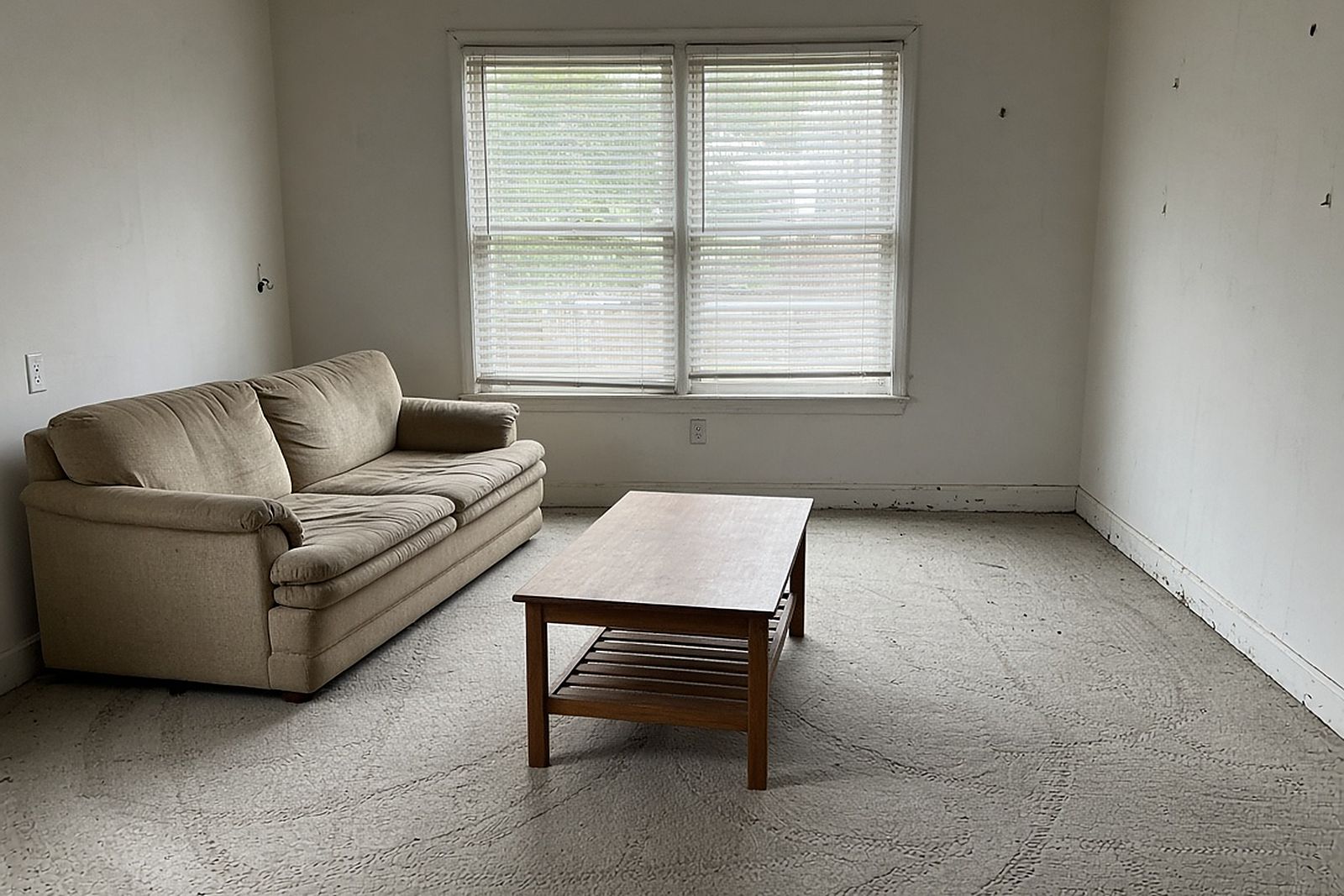
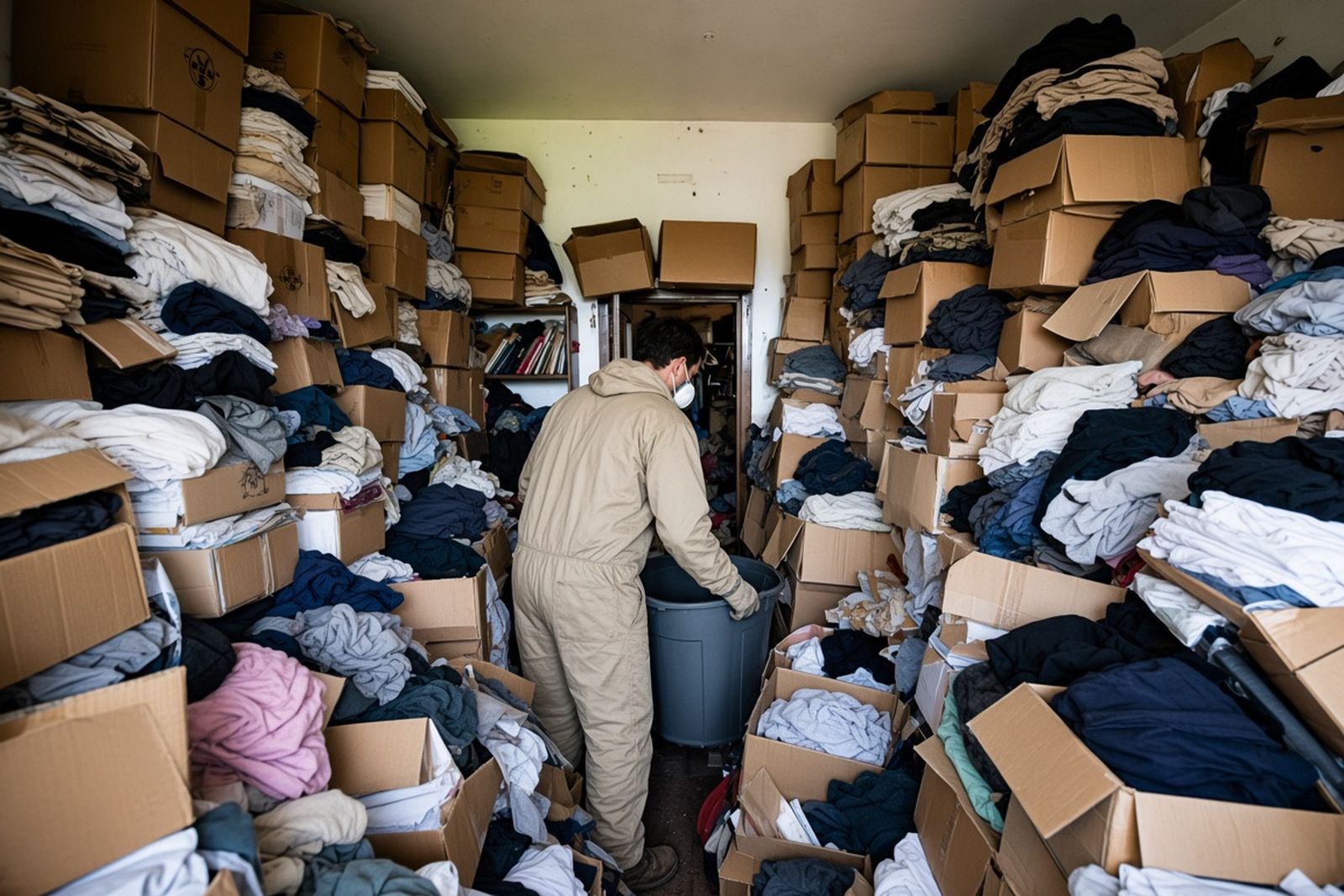
A closing date can feel urgent. But rushing leads to sore backs, stirred-up dust, and lost prescriptions or trust papers. A steadier plan sets one goal a day. First a clear exit route, then a usable bathroom, then a working kitchen. Only then comes room-by-room sorting, with rest breaks built in. Anything the resident is unsure about can wait in a labeled, dated box. It doesn't need to be tossed because a closing date is near. Crews need gear that fits what the piles really hold. A rushed family weekend without gloves or masks tends to cause injuries and lost papers. Hurrying can also mean missing a slow leak or damp wall hidden behind the stacks.
What signs of floor or ceiling strain should Beverly Hills families watch for while clearing?
Watch for a raised wood floor that dips near heavy stacks, new cracks in plaster or tile, and doors that suddenly won't latch. If you see any of these in an older Spanish-style house in the flats or a hillside home, stop pulling from that room. Keep people out of it, and call a licensed structural engineer. Rolling heavy safes, file cabinets, or crates across a weak floor can make things worse. Work can continue elsewhere in the house, where exits are safe, during the engineer's visit. Photograph the room before and after any weight is removed on the engineer's advice, so the owner's file shows exactly what changed.
How can Beverly Hills families keep a cleanout private?
Privacy is often a big concern, especially for residents who are well known or have high-profile neighbors. Ask the company to use unmarked vehicles if possible. Keep bags sealed and out of view, and load from a garage or service entrance instead of the street. Limit who is on site to people the decision maker has approved. Photos taken during the work should go only into the private property file, never onto social media.
What should happen to jewelry, designer goods, and collectibles found during clearing?
Valuable items are often mixed in with papers and clothing. As soon as something possibly valuable turns up, crews should move it to a locked or supervised room. Photograph each item where it was found, and log it. The owner, trustee, or business manager can then decide whether to have it appraised, consigned, or kept. Nothing that may have value should go into a donation or discard bag without approval.