Why is CDC rodent guidance especially relevant for Boulder-area cleanouts?
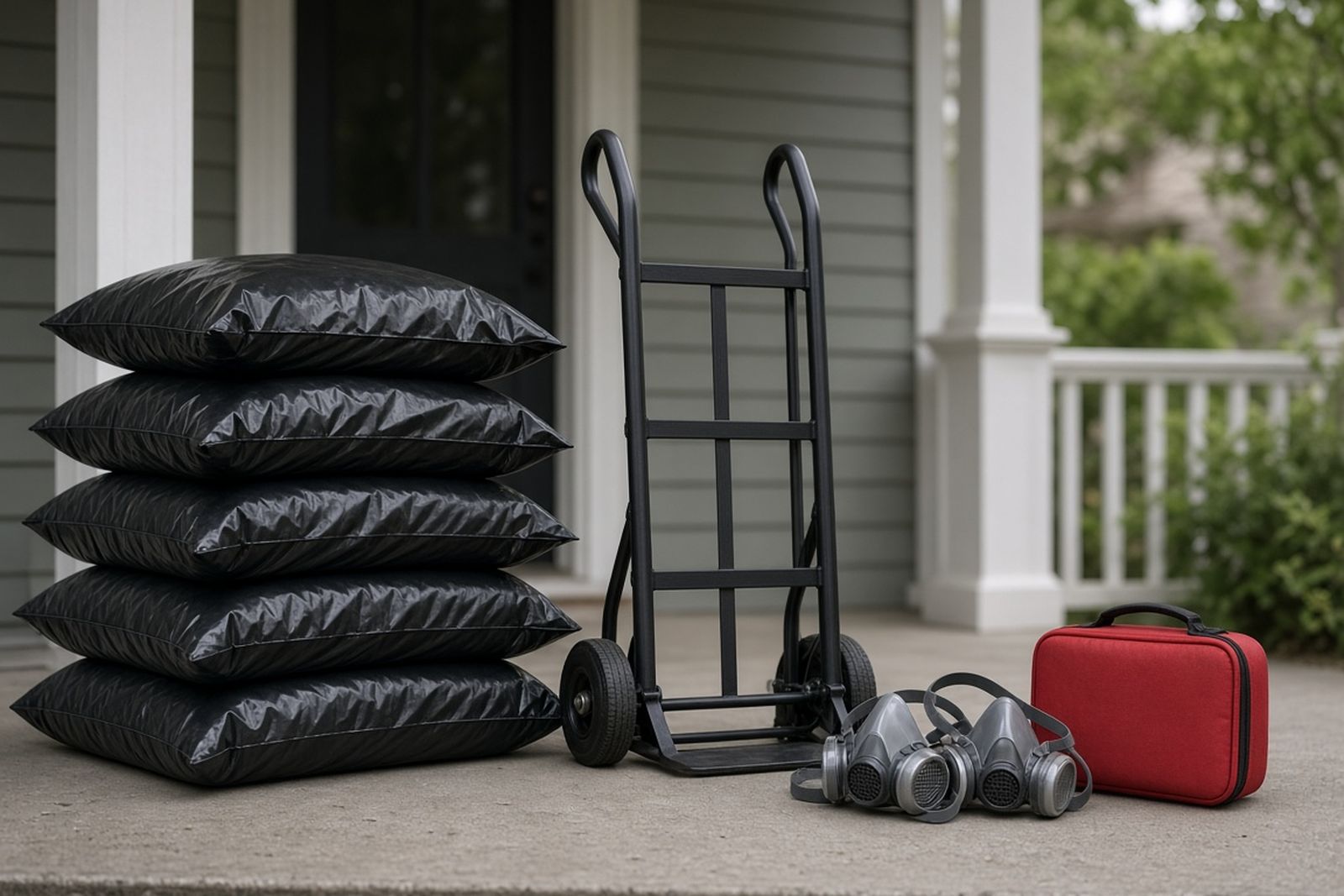
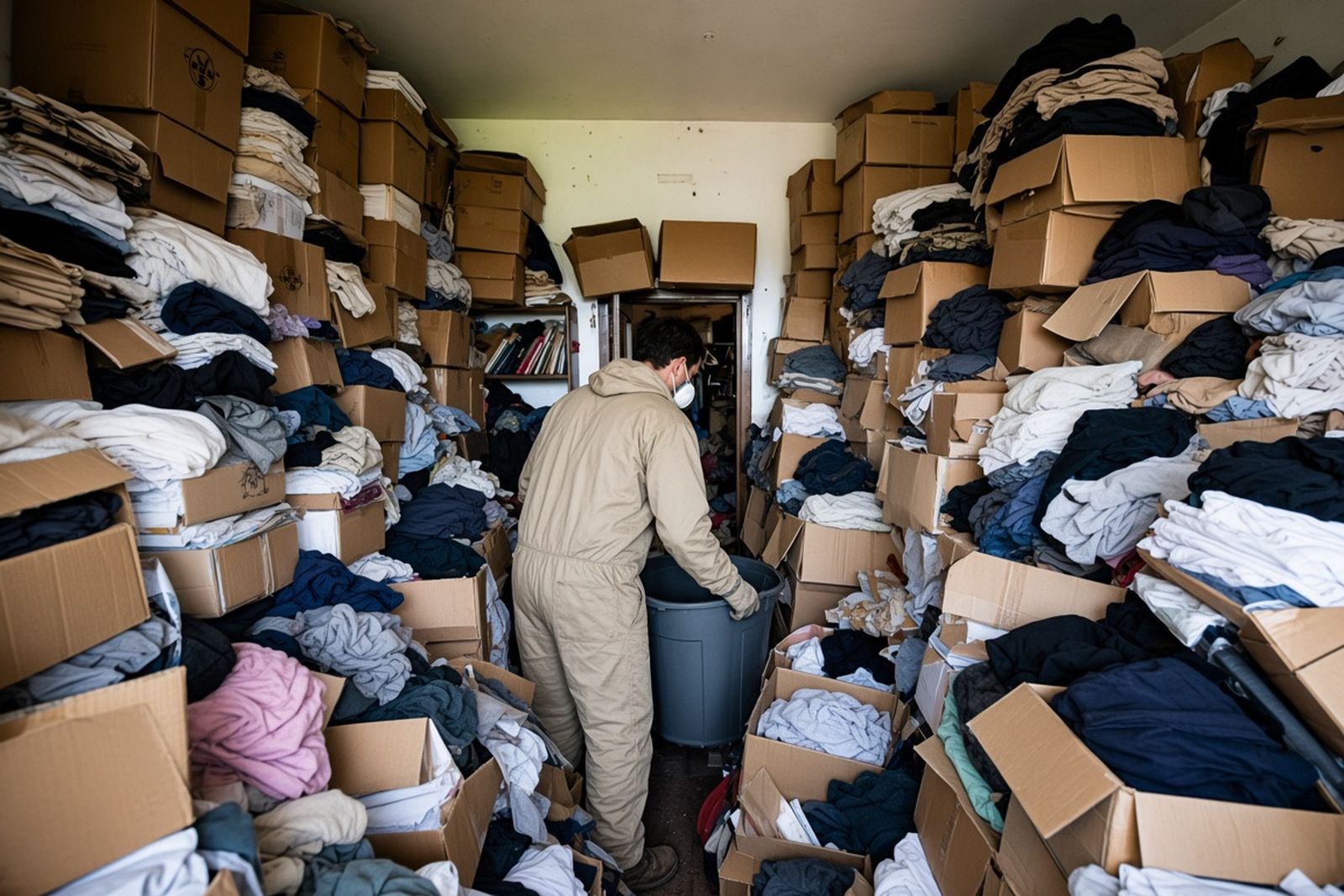
Health teaching in the Mountain West puts extra weight on hantavirus risk when rodent droppings and nests are disturbed. Boulder County homes with basements, crawl spaces, sheds, and packed closets can shelter rodents, even in city neighborhoods. Dry sweeping or vacuuming can throw particles into the air. Public CDC guides describe a safer way: wet the droppings, bag them with care, think about airflow, and wear the right gear. Finding droppings doesn't mean anyone living there is sick. But it is a reason to change how you work right away. Set up pest-proofing as a separate job so clean rooms don't get dirty again. Write down what was found for landlords handling turnover. Check for needles at the same time, because needles and droppings can show up together in neglected spaces.
How do past roommates or sublets affect sorting in a Boulder rental?
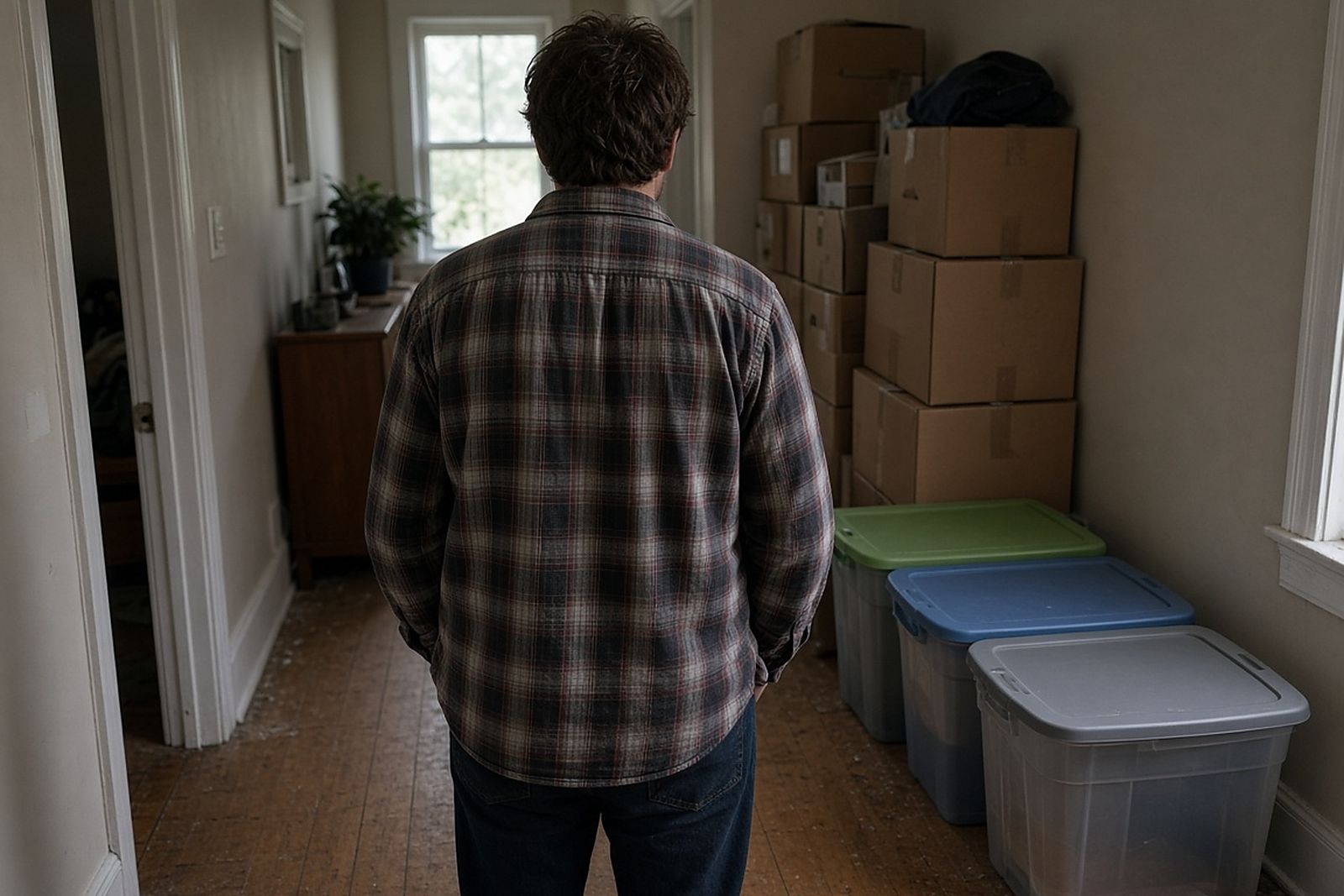
When several people lived there over a lease, it may be unclear who owns the furniture, boxes, and papers. Without a "hold" group, a cleanout can start fights and legal risk. Ask the person with authority to decide what happens to unlabeled items. That's often the leaseholder, or the landlord under a proper process. Photograph valuable disputed piles before moving them. Don't let one roommate approve tossing another person's known belongings. The school calendar raises the risk of rushing. Still use daily goals instead of one big purge. Privacy for immigration, medical, and school records is a must. Checking for hazards goes on no matter who owns what. Waste and needles can't sit in the walkways while people argue. Written logs protect everyone when keys change hands at the end of the month.
What air quality limits matter while hauling in Boulder?
Dry paper piles kick up dust fast at high altitude. On wildfire smoke days, outside air is a poor choice for airing out the home. Plan ways to control dust. Handle items with care, wear protective gear, and use an air cleaning machine if it's in the plan. Don't assume open windows fix everything. People with asthma or other breathing problems may need to stay out of the work area. Once there are paths, change the heating and cooling filter if the system was running among the clutter. Getting rid of odor still depends on removing urine, waste, and mold. Record these air steps in the property file. They are about limiting exposure, not about selling an upgrade. If there are smoke alerts, stir up less that day instead of trying to fill the dumpster.
How do foothill homes differ from central Boulder attached rentals?
Foothill homes and bigger lots may have more room to stage outside. But they often have sheds, garages, and basements with chemicals, fuel, and places for rodents to hide. Driveways may be steeper and harder to use in bad weather. Attached rentals in central Boulder bring shared walls, small dumpster rooms, and neighbor complaints about smell. Both need the exits cleared first, but the logistics differ. One may need trash sealed tight against wildlife. The other needs good manners in shared halls. Basements packed for years that show signs of too much weight mean you pause and get an expert. Don't make up trail or open space rules that don't apply to private land. Fit the plan to the kind of building on the lease. Privacy and consent rules stay the same in both places.
What should Boulder landlords record when getting a unit ready to rent again?
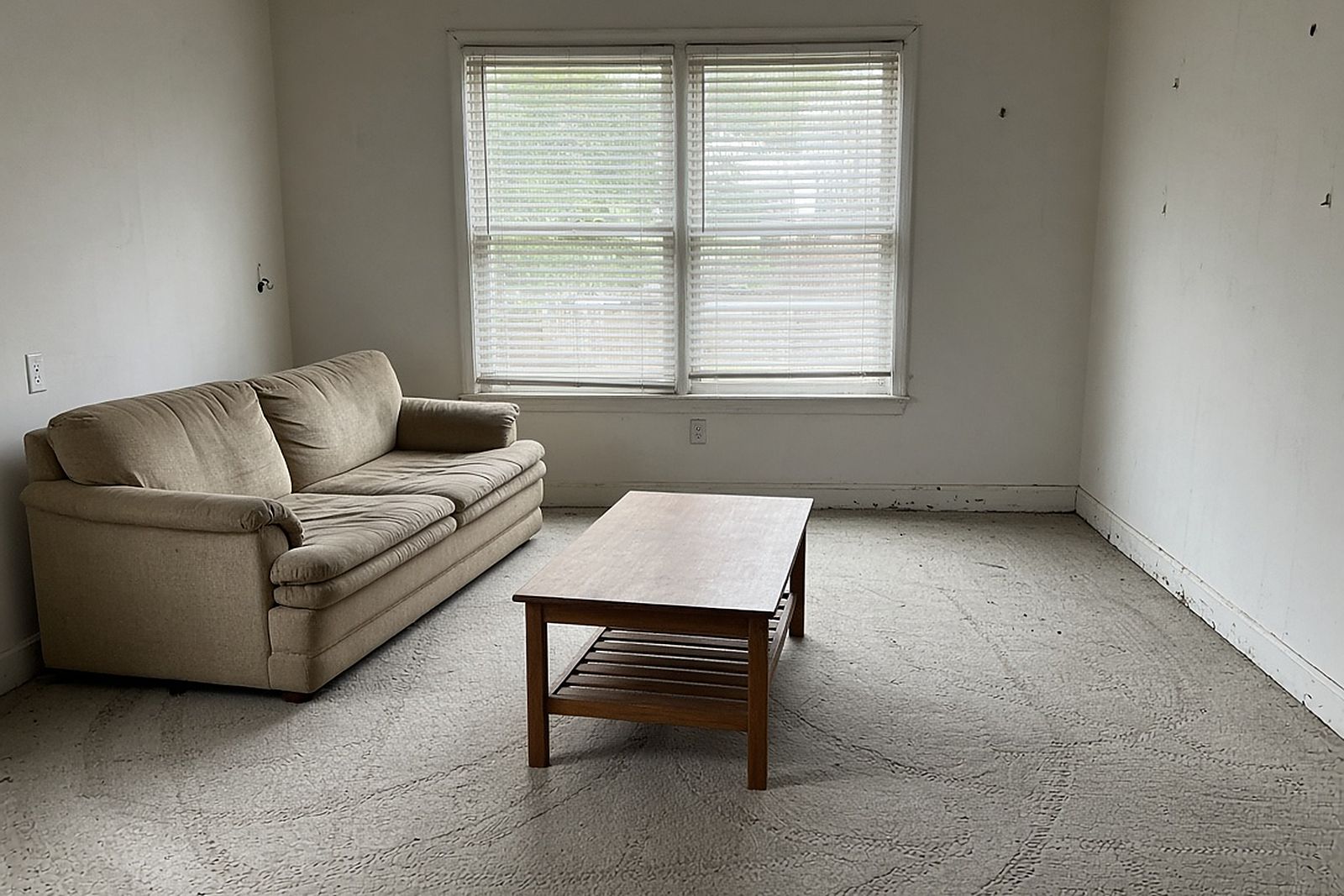
Landlords should keep permission records and dated photos of the exits and the cleaning. They should also keep notes on where waste went and a to-do list. That list should separate cleaning and disinfecting from flooring, drywall, pest-proofing, and paint. Don't claim a unit is fully ready to rent if moisture or subfloor damage is still there. If the city's code process was involved, keep the notices and proof of progress. Never fake a clearance letter. Stick to facts in listings. Shaming words aren't needed and are often wrong. Be honest with new tenants about what work was done. Keep records of what happened to disputed items in case past residents say things went missing. This kind of record keeping fits Boulder's closely watched rental market and helps prevent repeat conflict. Landlords should not make claims about the mental health of past residents.
How does wildfire risk affect Boulder cleanouts?
Homes on Boulder's western edge and in the foothills sit near grass and forest that can burn. Piles of paper, cardboard, and firewood against the house or deck add fuel if a fire comes close. Clearing items away from outside walls and decks can be an early goal, along with opening exits inside. Follow any fire season or red flag warnings from local fire officials when you plan outdoor work.
How should Boulder landlords handle a tenant's belongings after a lease ends?
When a tenant leaves things behind in a Boulder rental, landlords should not just clear the unit. Colorado has rules about abandoned property. The steps depend on the lease and the situation, so check with a lawyer or a landlord association before throwing anything out. Photograph the unit, list the items, and store valuables and papers separately. Keep sealed hazardous waste and trash apart from anything the tenant may come back for.