South · US

Hoarding Scene Cleanup Planning in Charlotte, NC

Planning hoarding scene cleanup in Charlotte, NC

Charlotte hoarding cleanup is often a coordination job. You balance freight elevators and trash rooms in uptown towers with HOA rules out in the suburbs. This is planning guidance, not a claim of a local office or crew in Charlotte.

Get an email reply about hoarding scene cleanup

Send a short message to the follow-up inbox. A coordinator can reply by email. This form does not send emergency help; call 911 first if anyone is in danger.

Tell us what you need help with. Share a short description; please leave out medical details, access codes, and other sensitive information.

A request does not confirm a booking. For immediate danger, contact local emergency services.

Or email info@prompartybuses.com

Direct answer

The short answer for Charlotte, NC

Charlotte is growing fast. It has busy apartment corridors and suburbs run by HOAs. That makes a hoarding cleanout as much about teamwork as cleaning. Reopen a clear way out. Control germs and pests. Sort at a pace the resident agrees to. Keep records for owners, managers, or housing code cases. Never shame the people who live there or promise results you can't back up.

Editorial guide · Biohazard Remediation NetworkUpdated 2026-07-22Location focus: Charlotte, NC

Local planning context

Charlotte homes range from uptown and midtown apartment buildings with elevators and small trash rooms to single-family streets and HOA neighborhoods across Mecklenburg County. In tall buildings, the bag-out route, freight elevator times, and hallway covers decide whether dust and odor stay in the unit or reach neighbors. In HOA areas, rules about dumpsters, blocked driveways, and items stored outside often sit next to concerns about the inside of the home. Name these details early. Don't find out about them after the trucks arrive.

Charlotte Fire Department Fire Prevention and City Code Enforcement each handle a different part of the risk. Fire code complaints often focus on blocked exits, stored items that could burn, and safety systems like alarms. Code Enforcement's minimum housing and nuisance work looks at whether a home is livable and how the outside looks. Neither one replaces careful, gentle sorting. When there's a deadline, the best answer is a step-by-step plan. Open a way out first, check for germs and sharp items, and keep a log of decisions. A weekend purge that mixes needles into household trash or throws out medicine is not the answer.

Summer humidity around Charlotte helps mold grow under cardboard, clothing piles, and floors soaked with urine. Rodents and insects feed on food waste and blocked kitchens. Workers and family helpers can trip, get hit by falling piles, or catch diseases spread by animals if they pull piles apart without protective gear like gloves and masks. Privacy matters when neighbors live close by. Personal papers and photos need a set place for careful review. Notes to nearby units should stick to facts and leave out graphic details.
Property considerations

Find out what kind of place it is. Is it an apartment with a shared trash room? A rental that must meet minimum housing rules? Or an HOA lot with limits on where bins can sit outside?

In elevator buildings, clear the path from bedrooms to the unit door and the freight route before deep sorting. Fire prevention puts safety ahead of looks.

In mid-rise units, note signs that weight is stressing the floor: floors that bounce under stacked paper, cracked tile under heavy storage, or doors that stick. Don't claim to know the cause. Pause for a qualified expert when you see them.

Keep signs of pests and water stains separate from ordinary clutter so later repair jobs are described honestly.

Book freight elevators and cover hallway floors and handrails during bag-out. Never leave bags in exit stairwells.

Before any trash bags leave the unit, set rules for what to save and how to keep money records, devices, and keepsakes private.

Response-planning framework

Access, exits, and building logistics

Walk through the unit and along the route to the dumpster or loading area. Note locked freight elevators, trash room hours, parking limits, and whether items outside will bring HOA notices. Inside, clear one unbroken path to the main exit and the bathroom. Photograph the blocked conditions first. If smoke detectors or electric panels are buried, uncover them as part of the safety step. Tall stacks in hallways should come down slowly so they don't fall on workers. Charlotte's crowded apartment areas make it helpful to tell neighbors about timing. Keep those notes to the schedule and how halls will be protected, not what's inside.

Sorting stations and a gentle pace

Build Keep / Donate / Discard / Biohazard stations with written rules. Biohazard means items that may spread germs, like droppings or needles. Name the one person who makes decisions. Daily goals cut down on conflict when a court, lease, or family is pushing. Items people disagree about can be boxed and dated for later review. Nobody has to decide on the spot. Family members without protective gear should not dig through droppings or layers of waste. Write down who has the right to decide. That way property managers aren't guessing about what to throw out, which could cause legal trouble later.

Germs, pests, and moisture

Before crushing any bags, check for needles, chemicals, spoiled food, and animal or human waste. Wet down rodent droppings before cleaning them, as public health guides advise. If you see nests or droppings that keep coming back, bring in pest control as a separate job. After the belongings are out, clean and disinfect hard surfaces. Note soft flooring or drywall that may need repair. Record mold caused by humidity as a moisture problem. Don't hide it with fragrance.

Records for housing and ownership files

Keep photos, notes on where waste went, permission letters, and a to-do list. The list should show what's cleanup and what's rebuilding. If Code Enforcement or fire prevention is involved, plain progress records help show better exits and cleaner conditions. Don't claim results those agencies didn't give. Leave out sales language, ratings, or made-up completion numbers in any file shared with landlords or courts.

Documentation checklist

  1. 1Written permission from the person who decides, plus lease or ownership proof for entry
  2. 2Two photos per bedroom exit route: one before, one after
  3. 3Apartment logistics notes (elevator bookings, hallway covers, dumpster spot)
  4. 4Sorting rules signed or acknowledged by the person with authority
  5. 5Packing records for medical waste and needles when they turn up
  6. 6Photos of pests and mold, with separate repair trade suggestions
  7. 7Daily list of disputed items on hold, with dates
  8. 8Final to-do list for flooring, pest-proofing, and air filter changes

Official resources

Questions for this location

How do Charlotte HOA rules change a hoarding cleanout plan?

HOA rules often control where dumpsters go, blocked driveways, outside debris, and work hours. That's true even when they say nothing about sorting inside. A plan that ignores those rules can stall hauling halfway through and stir up conflict with neighbors. Confirm where bags and bins can sit. Protect the landscaping and shared sidewalks. Schedule loud or bulky removal during allowed hours. Inside, the order stays the same: exits first, a check for germs and sharp items, and decisions made with consent. Tell management about timing without graphic details. If there are piles outside as well as blocked rooms inside, plan them together. Outdoor piles may need checks for pests and chemicals too. Keep written approval for what leaves the lot. That keeps donations, trash, and regulated waste apart.

What is the difference between fire-prevention concerns and Code Enforcement in Charlotte?

Fire Prevention deals with safety and fire code issues. These include blocked exits, unsafe storage of things that burn, and complaints tied to inspections. Code Enforcement deals with minimum housing, nuisance, zoning, and neighborhood standards. Those can cover how livable a home is inside and how it looks outside. A hoarding situation may touch one or both. Neither agency replaces a plan for sorting and cleaning. Use their official pages to learn how to report a problem or answer a notice. Then build a step-by-step schedule that opens exits early and records cleaning progress. Don't assume one phone call gives anyone the right to throw out a tenant's things. That right still comes from the legal decision maker. Medical or mental health care is not part of cleanup.

How should elevator and corridor bag-out be handled in Charlotte multifamily buildings?

Sealing things off protects neighbors from dust, smell, and drips. Book freight elevators when you can. Cover floors and handrails along the route. Bag waste so soft items don't shed in the halls. Don't block exit stairs with bags. Keep medical waste bags and needle boxes apart from donation boxes. Take photos of hallway protection before and after work for the building's file. If pests are active, tie bags tightly so pests don't spread to chutes and trash rooms. Plan work so other residents lose as little elevator time as possible. Keep a walkway open so fire exits work for the whole building while hauling goes on. In Charlotte's tall buildings, these steps are part of doing the job well, not an extra favor. Write them into the plan before the first bag leaves the unit.

Why is pacing important when Charlotte housing deadlines feel urgent?

Deadlines from leases, sales, or code notices put real pressure on everyone. But moving too fast causes injuries and throws droppings dust into the air. It can also destroy medicine and legal papers the resident needs to keep their housing. A gentle plan uses daily steps. First the exits, then bathroom access, then kitchen paths, then room-by-room sorting with breaks for decisions. Items people disagree about can go into labeled boxes instead of being tossed in a panic. Recording progress often shows enough improvement while still protecting the person's dignity. Workers need protective gear that fits the hazards they find. Weekend volunteer purges without protection often go wrong. Charlotte's humidity also means that rushing can leave hidden mold under the clutter.

What signs suggest too much weight is stressing the house during clearing?

Warning signs can include floors that bounce or sag under stacked paper and stored goods. Look for cracks spreading out from heavily loaded spots and doors or windows that suddenly stick. Watch for new lines on ceilings below attic or upstairs storage. These signs are not an engineering diagnosis, and you shouldn't treat them as one. When you see them, stop heavy removal in that area. Keep people off the heaviest spots, and call a qualified structural expert. Charlotte has both older and newer homes, so weight moves through them differently. Never assume a slab home and a wood-framed upper floor act the same way. Work on clear exits can keep going in safe areas while the problem spot is checked. Take photos before and after any small weight reduction done under an expert's guidance.

How can Charlotte families keep a parent involved without stalling the cleanout?

Many Charlotte families are handling a parent's home from elsewhere in Mecklenburg County or from out of state. That makes it tempting to clear the house while the parent is away. That usually backfires. Invite your parent to pick a few rooms that matter most. Give them a short time each day to review, and keep a box for items they want to think about. Settle medicine, papers, and photos first, so the rest feels less overwhelming.

What happens to donations and recycling from a Charlotte cleanout?

Clean, dry furniture and household goods can often go to local charities. But many charities won't take items with odor, signs of pests, or water damage. That damage is common after a humid Charlotte summer in a closed-up house. Call ahead to confirm what a charity accepts. Cardboard and paper that stayed dry can usually be recycled. Anything soiled goes in the trash. Household chemicals should go through Mecklenburg County's household hazardous waste options.

Contact

Get help by email

Send a short message for an email reply about hoarding scene cleanup planning questions for the Charlotte area.

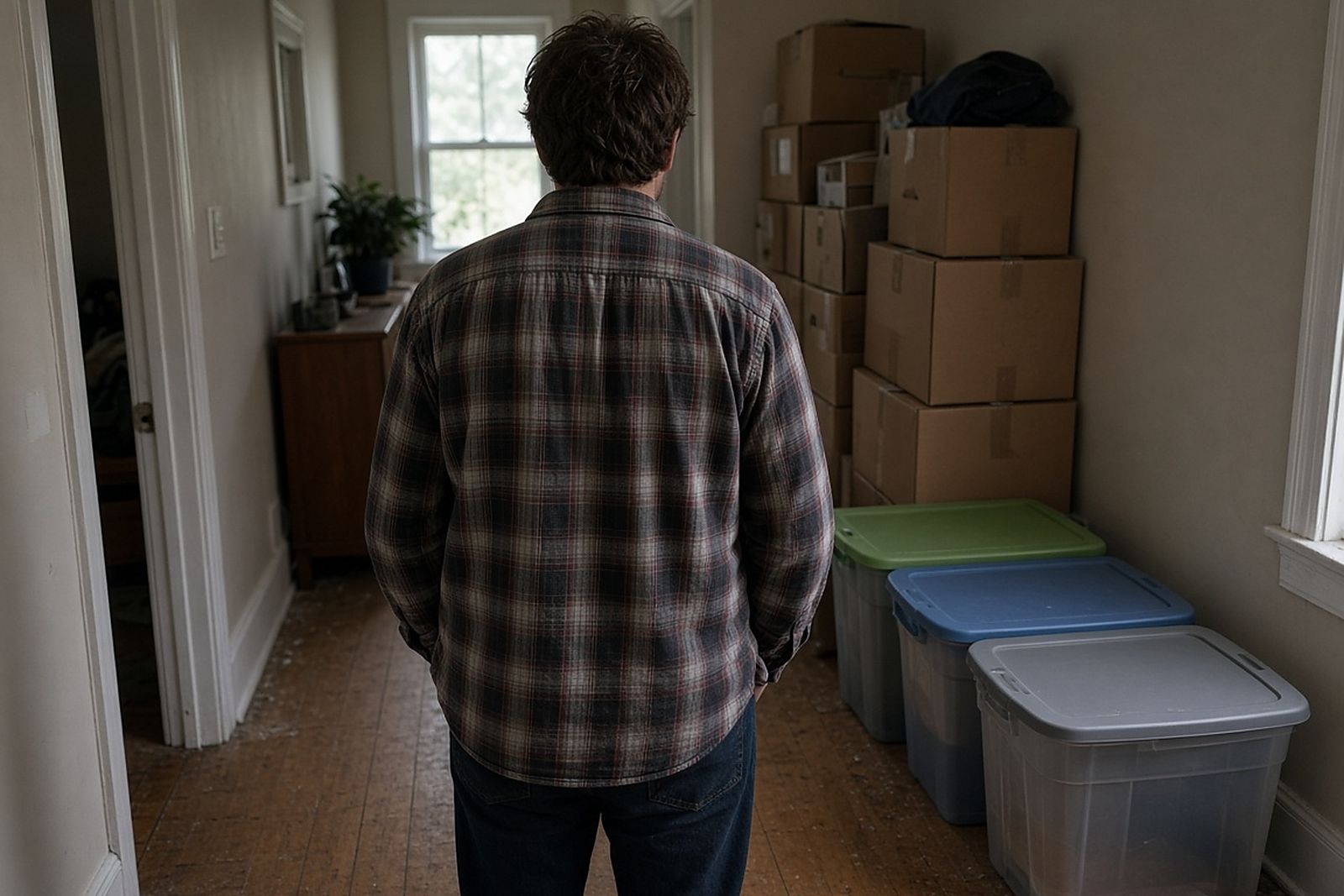
Person seen from behind in a hallway beside stacked boxes and three colored sorting bins
Illustrative photo, not a job record. Person seen from behind in a hallway beside stacked boxes and three colored sorting bins.
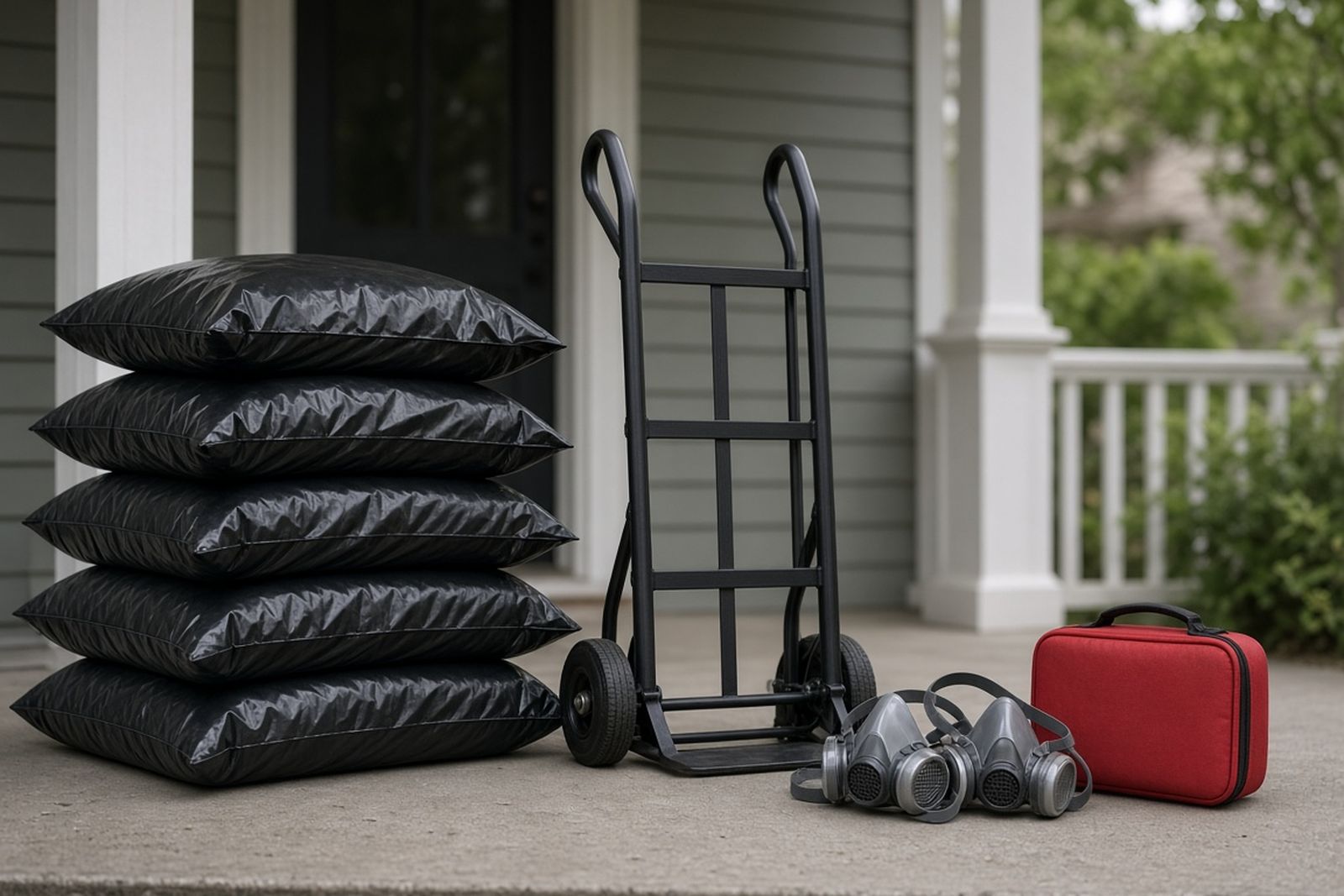
Contractor bags, a hand truck, respirators and a first-aid kit staged on a porch
Illustrative photo, not a job record. Contractor bags, a hand truck, respirators and a first-aid kit staged on a porch.

Hoarding Scene Cleanup figures to keep in mind

National and research figures, not Charlotte data. Local conditions, rules and providers vary; use these for scale and context only.

87%

87% of people in the recorded cases lived alone.

Read with care: Identified council cases; not all tenants; officer-reported characteristics.

Source: Porter et al. (2022)38 reported hoarding cases and 11 housing-officer interviews; English council, summer 2021.

16x response cost

Only 40% of hoarding fires were contained to the room of origin versus about 90% of average residential fires, with damages 8 times and response costs 16 times higher.

Read with care: Larger hoarding fires were more likely to be identified, which may inflate the multiples.

Source: Worcester Polytechnic Institute / Metropolitan Fire Brigade (Lucini, Monk & Szlatenyi) (2009)Melbourne Metropolitan Fire Brigade incident data

16.7 years

A meta-analysis of 25 studies found the mean age of onset of hoarding symptoms is 16.7 years, and hoarding disorder affects an estimated 2–6% of the population.

Read with care: Onset is bimodal and often reported retrospectively decades later.

Source: Depression and Anxiety (Zaboski et al.) (2019)English-language studies published 1900–2016

These figures are public research and agency data, not this network's own job records. Keep each number with its population, year and limits; none of them predicts cost, timing or outcome at a specific property.

Plan before you reach out

Use the first 24 hours planner for immediate steps and the provider vetting checklist to confirm any Charlotte provider's training, insurance and waste path in writing.

What research has found

Findings from published studies of people and properties in situations like this one. They describe what researchers observed in a specific group; they are not predictions for your case.

Housing insecurity competed with grieving for families' attention.
Who was studied: UK interviews: 14 bereaved people experiencing poverty and 15 supporting professionals.Limits: Small purposive sample; UK housing context; not current legal guidance.How does housing affect end-of-life care and bereavement in low-income communities? (2022)
People raised with a hoarding relative reported less happy childhoods than other informants.
Who was studied: 665 family/friend informants recruited online in 2006–2007.Limits: Proxy reports; hoarding relatives not directly assessed; retrospective childhood comparisons.Family Burden of Compulsive Hoarding: Results of an Internet Survey (2008)

Hoarding Scene Cleanup community polls

Poll results

Every count is a real visitor vote; nothing is seeded or padded. One vote per poll per device, and you can change your answer.

Your experience

If a relative's home had become unsafe, what would be your first step?

No visitor votes yet
Process

How much control should the occupant keep over what leaves the home?

No visitor votes yet

Planning cleanup in Charlotte?

Send a short message about the property to the follow-up inbox. A coordinator can reply by email with next steps.

Your request is sent to the follow-up inbox. A coordinator can reply by email.

If anyone is hurt or in danger, call 911 first.