Direct answer
The short answer for San Francisco, CA
In San Francisco, a hoarding cleanout is a problem of stairs and stacked homes. Victorian and Edwardian walk-ups, trash rooms fed by chutes, and flats in the fog belt call for care on shared stairs. They also call for written authority from tenant and landlord, and notes on damp spots once piles are gone. Use SFFD and DBI websites for guidance only. Never make up a clearance or promise an arrival time.
Editorial guide · Biohazard Remediation NetworkUpdated 2026-07-22Location focus: San Francisco, CA
Local planning context
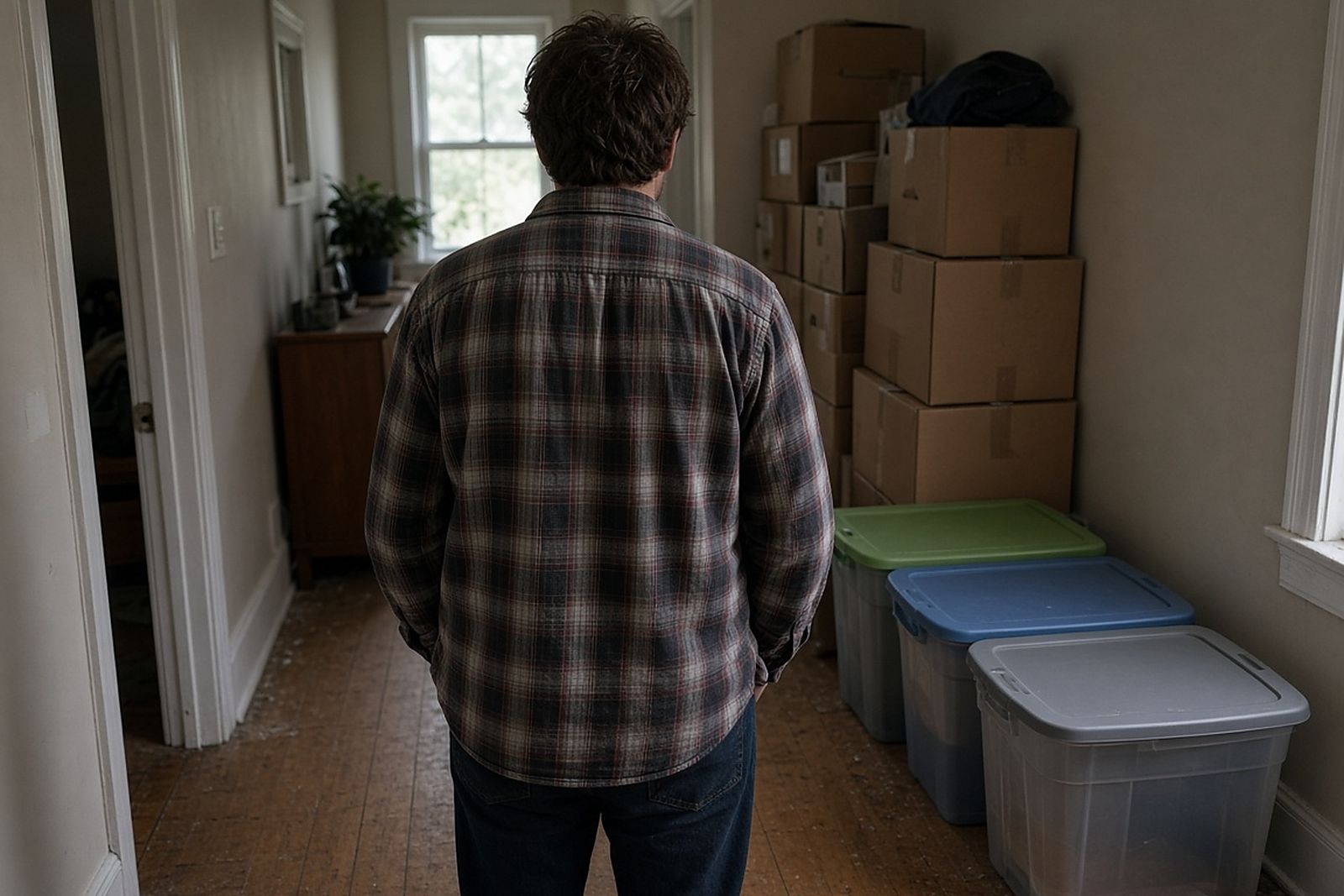
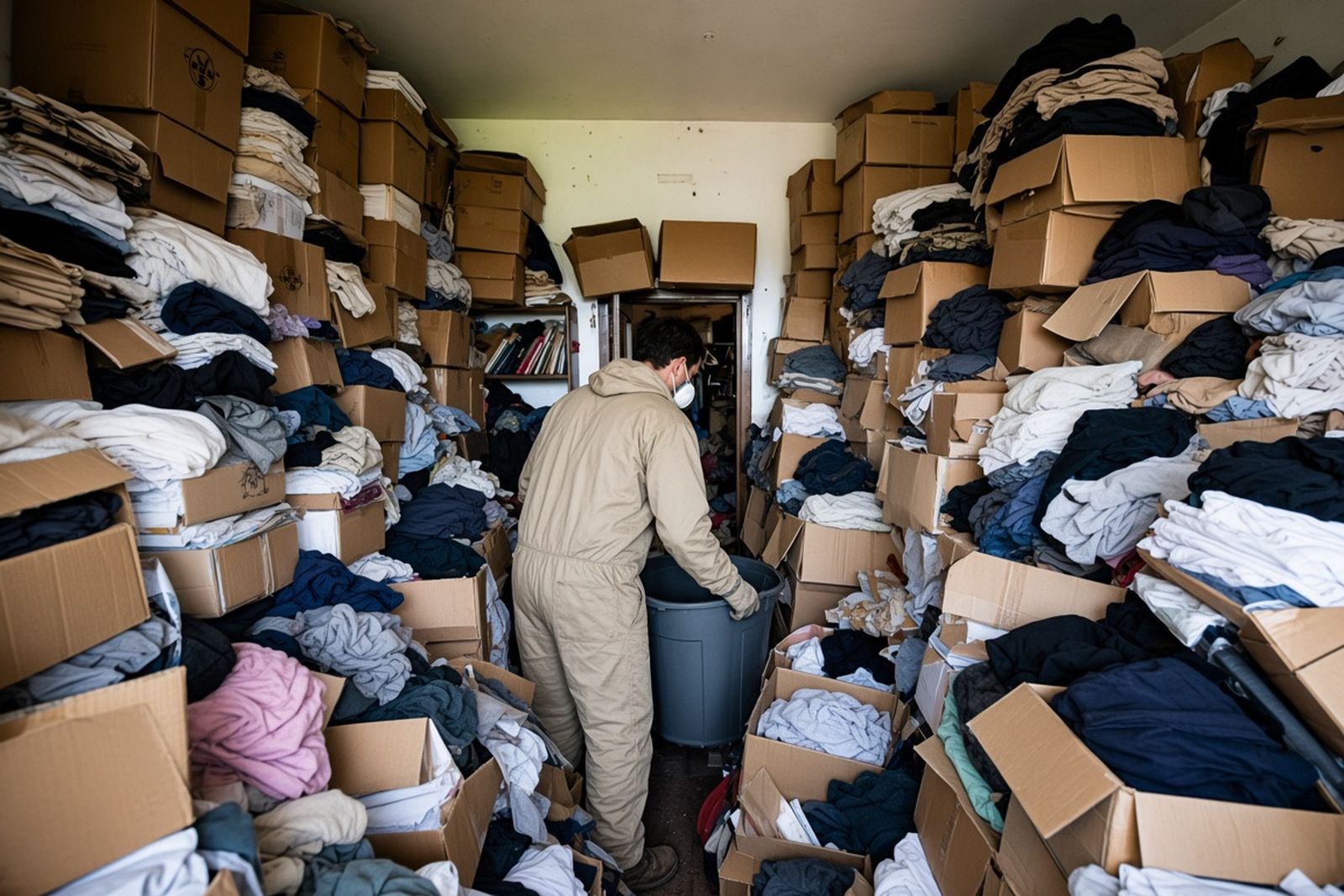
Most people here live in stacked housing. There are railroad flats up steep stairs, Edwardian three-unit buildings with one flight and a single handrail, and mid-rises where the freight elevator is booked weeks ahead. A helper who rushes cardboard down a walk-up can get hurt and send dust into the units below. Fog on the Westside keeps windows shut for weeks, so fabric against plaster stays clammy. Sunnier eastern neighborhoods still trap humidity behind tight piles. Curb space is rare, so chute rooms and basement bins become the bottleneck. Plan the whole trip down before anyone talks about keepsakes: bedroom, unit door, stairs or freight elevator, then trash room.
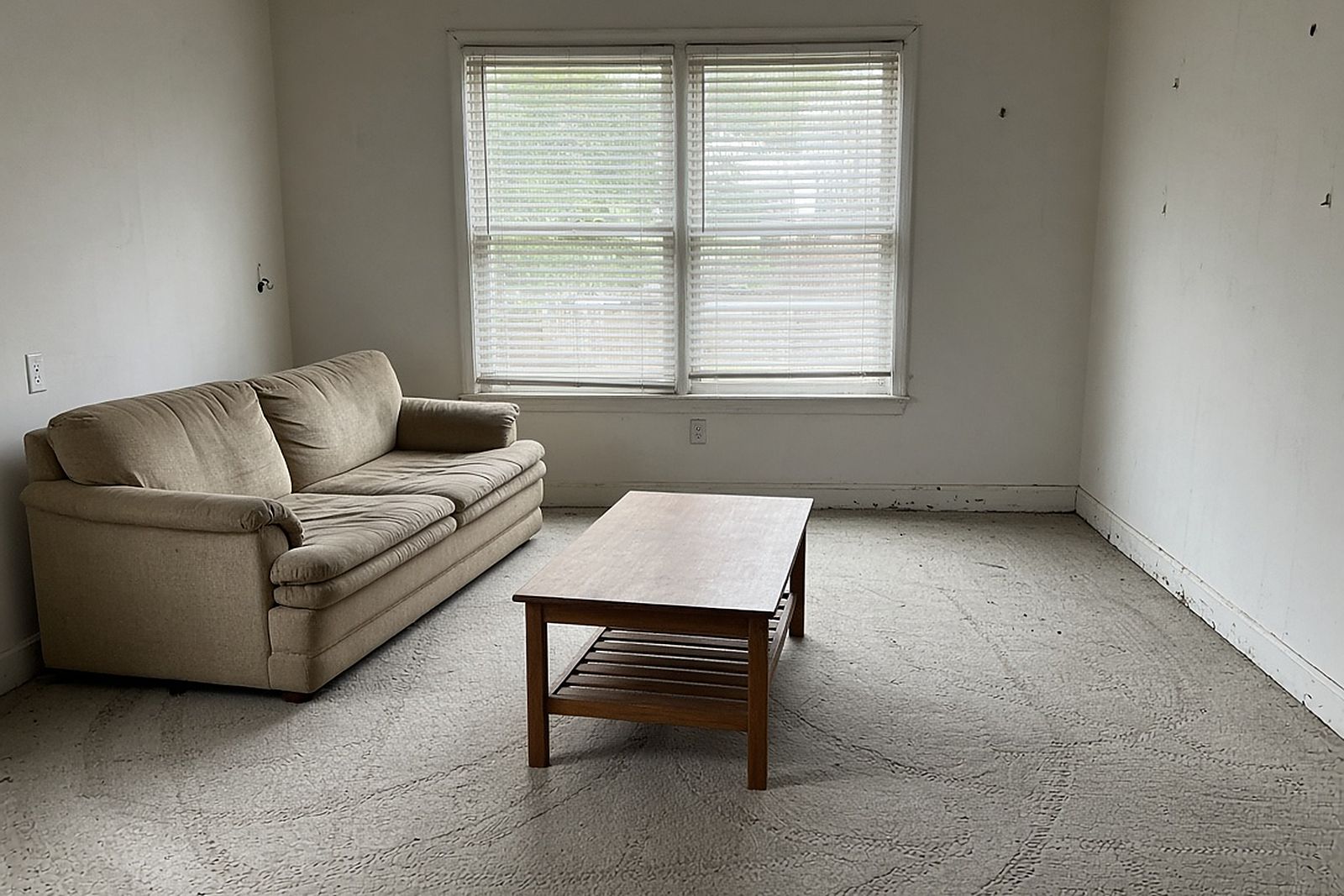
The San Francisco Fire Department and the Department of Building Inspection post guidance on blocked exits, stored items that could burn, and building conditions. The city website lists contacts for each department. None of those pages name someone to throw out a tenant's things or give a sorting script. Housing and livability processes may overlap with hoarding cases. This guide doesn't make up notice deadlines. Read current steps on official .gov sites. Then write a plan that opens paths from the bedrooms early and records cleaning progress.
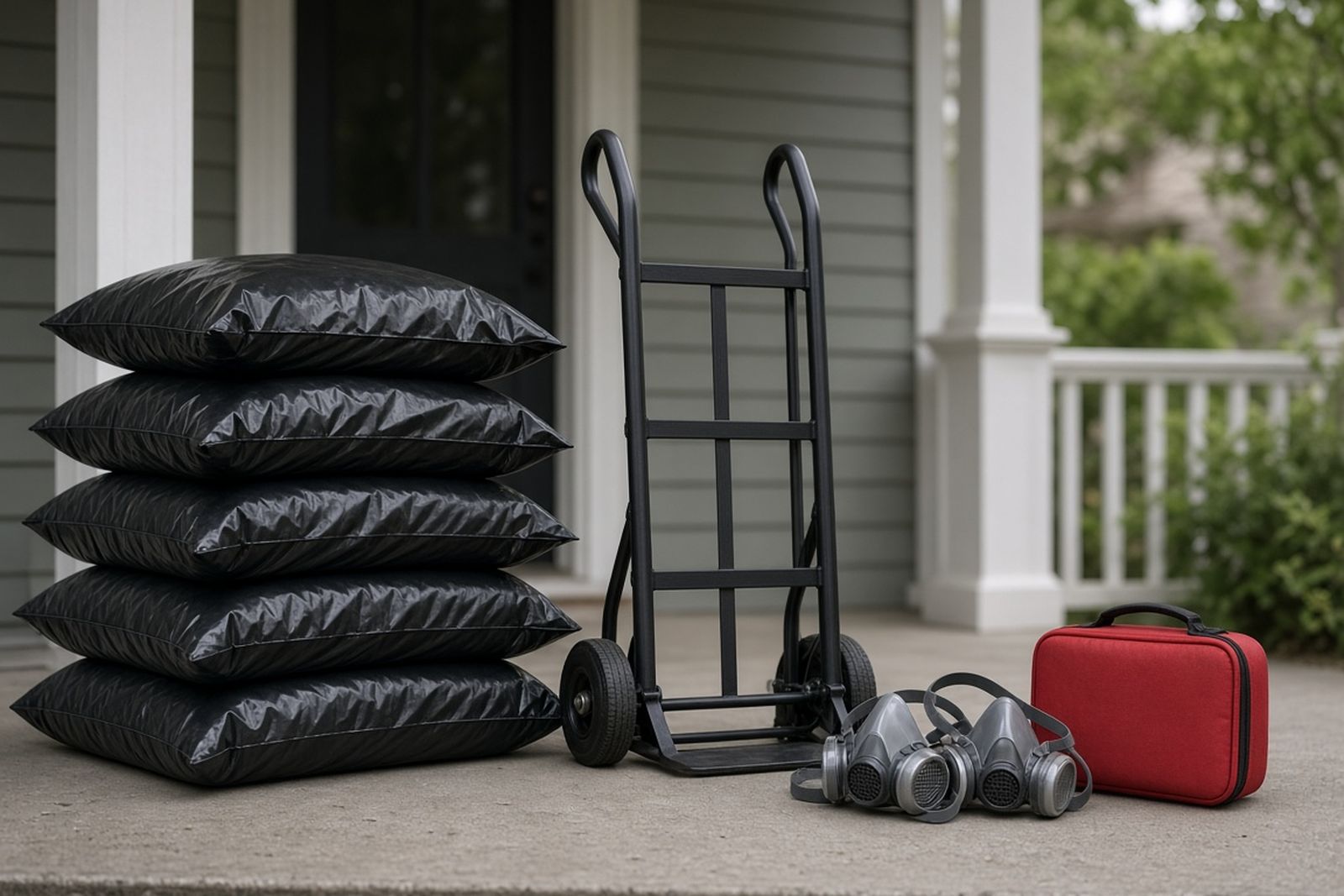
In a city of thin walls, gossip travels as fast as people walk the hall. Keep building notices about freight bookings and floor covers, never about what was found. Food waste behind a packed kitchen often comes with insects and rodents. Using a dry broom on nests is unsafe. ID papers lost in a crowded flat are costly to replace, so mail and devices need a review desk inside. Workers need protective gear that fits the dust, mold, diseases spread by animals, and needles, not weekend clothes. A landlord's urgency and a tenant's dignity can share one schedule when daily goals are in writing.