Short answer
Judge any technology in a hoarding cleanup by the problem it solves, the evidence behind it, its safety for the resident and crew, and whether it supports or replaces human judgment. Useful tools include HEPA air filtration, moisture meters, thermal cameras, photo documentation and document scanning. Be cautious with ozone, broad fogging and anything promising to make sorting fast or painless.
Why technology claims need scrutiny, and what to ask
Hoarding cleanups are slow, labor-heavy and emotionally difficult. That makes any tool promising speed or certainty attractive to families under deadline pressure. Some tools genuinely help. Others add cost without changing the outcome, and a few can create new risks for the resident or the crew.
The core of this work remains human: building trust with the resident, sorting belongings with them, finding hidden hazards and cleaning carefully. Technology should serve those tasks. A useful test is to ask what would go wrong if the tool were not used. If the honest answer is nothing much, the tool is probably marketing.
Before you accept a line item for equipment or a special treatment, ask the provider to answer a few plain questions. Clear answers suggest the tool has a real role. Vague or overly technical answers suggest it may be there to impress.
- What specific problem in this home does the tool address?
- What would you do instead if you did not use it?
- Is there independent evidence, such as manufacturer testing verified by a third party, a product registration or published guidance, that it works for this purpose?
- Is it safe for the resident, pets and plants during and after use, and does anyone need to leave the home?
- How will its results be recorded, and who will review them?
- What does it add to the cost, and is that separated on the invoice?
Tools that tend to earn their place
Air filtration with HEPA-filtered machines helps capture dust stirred up while moving years of accumulated material, which can contain mold spores, rodent debris and fine particles. It protects the crew and the resident, especially when sorting happens with the resident in the room.
Moisture meters and thermal cameras help locate hidden leaks and wet materials under piles. Water damage is common in hoarded homes because leaks go unnoticed for long periods. Finding wet subfloor or drywall early lets the provider plan for removal, drying and repair rather than discovering it on the last day.
Good cameras and systematic photo documentation are among the most valuable tools of all. Photos taken before, during and after each phase give families, landlords and inspectors a shared record. They also protect the resident and the provider in disputes over what was removed.
Document scanning can make decisions easier for some residents. A person who cannot bear to discard years of letters or records may accept keeping digital copies. The provider should handle originals with care, return or shred them as the resident chooses and keep scans secure.
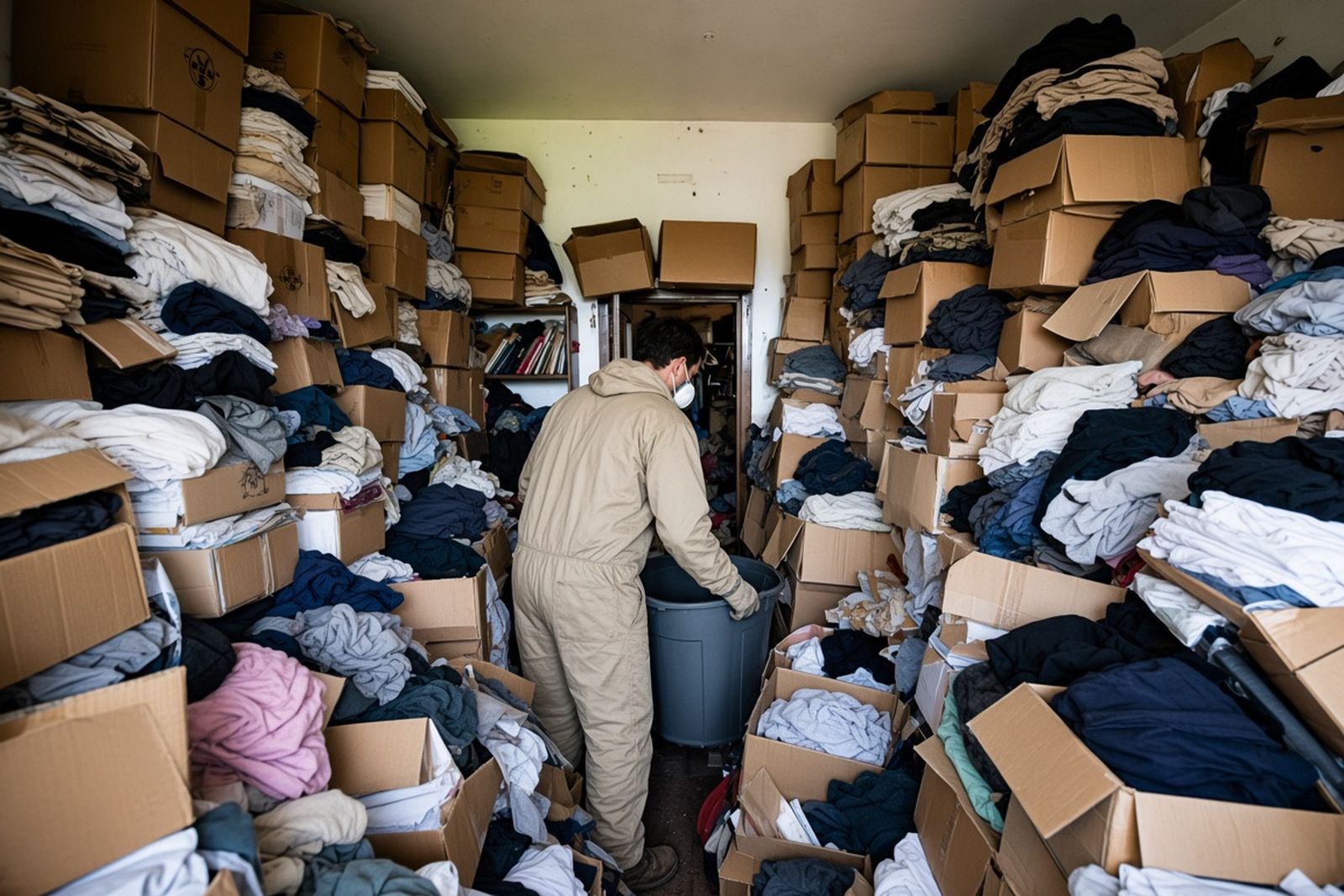
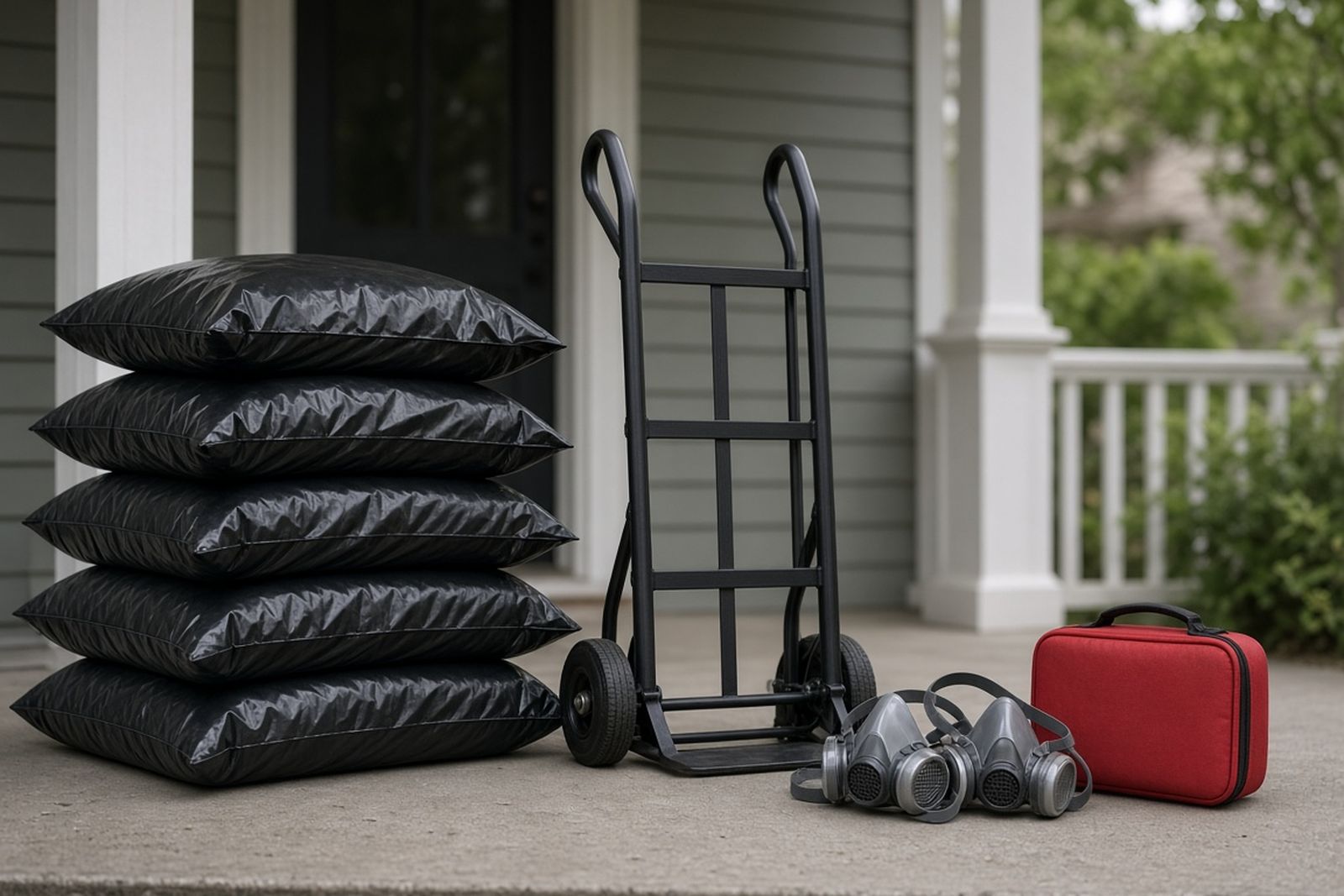
Personal protective equipment belongs on this list too, even though it is rarely described as technology. Properly fitted respirators, puncture-resistant gloves and protective footwear matter more to crew safety in a hoarded home than almost any gadget.
Technologies that deserve caution
Ozone generators are sometimes promoted for odor removal. Ozone is a lung irritant, and it is not appropriate in occupied spaces. If a provider proposes ozone, ask why, what safer alternatives exist, who will ensure the home is empty during treatment, and how long the home will be ventilated before anyone returns. Ozone also does not remove the source of odor, which is usually soaked materials that need to come out.
Whole-house fogging with disinfectants is another tool that can be overused. Fogging is not a substitute for cleaning, and heavily soiled surfaces need to be physically cleaned before any disinfectant can work. Targeted application of registered products to cleaned surfaces is usually more effective and exposes the resident to less chemical.
Be skeptical of any device or product that claims to eliminate odors, germs or allergens throughout a home without removal of the underlying materials. Claims like that often rest on limited testing in controlled conditions that look nothing like a hoarded house.
Can software help with sorting and inventory?
Some providers use inventory apps or spreadsheets to log items set aside for the resident, items donated and items sold. That can be very helpful in estates, in cases where a guardian must account for property, or when a family is spread across several states and wants to see progress.
Software cannot make decisions for the resident, and it should not speed the process beyond what the person can tolerate. It is a record-keeping aid, not a sorting method. Ask who can see the inventory, where it is stored and how the resident's privacy is protected, especially if photos show personal documents or the inside of the home.
Clinicians and some agencies use visual rating scales, such as picture-based clutter scales, to describe how full each room is. Used consistently, a scale like this can help track progress over time and communicate with a caseworker, but it describes clutter volume, not sanitation or structural safety.
Fitting technology to the person in the home
Many residents are older adults, and that matters for tool choice. Loud machines, strong-smelling products and unfamiliar equipment can distress an older resident or someone with sensory sensitivities. Ask the provider to explain equipment to the resident before it is switched on, keep noise and odor to a minimum during sorting sessions and schedule noisier work, such as running air scrubbers at full speed, for times when the resident is out.
Ask the provider whether any product or process, such as certain pesticides or odor treatments, requires a licensed applicator or notice to neighbors, and who will arrange it.
Tools that help after the crew leaves
The weeks after a cleanup are when progress is most fragile. Some of the most practical technology supports that stage rather than the cleanout itself.
Interconnected or remotely monitored smoke and carbon monoxide alarms can alert a family member who lives elsewhere if an alarm sounds or a battery runs low. Water leak sensors placed under sinks and near the water heater can catch the slow leaks that so often go unnoticed in cluttered homes. These devices are simple, but they address two of the risks that matter most.
Video calls can make follow-up easier. Some therapists and professional organizers offer remote sessions, and a short weekly video walk-through of the kitchen and main path can help a resident stay on track without the stress of an in-person inspection. The resident should agree to this arrangement and control when the camera is on.
Shared calendars or reminder apps can prompt regular trash and recycling days, mail sorting and donation drop-offs. For some residents, a predictable routine is more helpful than any piece of equipment.
None of these tools replace human contact. They work best as part of a support plan that includes people the resident trusts.
Two equipment lists, read side by side
Equipment lists show how a provider thinks. One kind of bid leans on whole-house treatments: ozone for every room, electrostatic fogging throughout and an antimicrobial coating on all surfaces, with little detail about sorting or pacing.
Another kind ties each item to a finding: HEPA air scrubbers during sorting, a moisture survey with a meter and thermal camera once floors are exposed, photo documentation of every room at each phase, targeted disinfection of kitchen and bathroom surfaces after cleaning, and removal of urine-soaked carpet to address odor at the source.
Ask each company why it chose its equipment. A provider that points to something it saw at the walkthrough is reasoning from the home. One that says the treatments are standard on every job is reasoning from its price list. A moisture survey, for instance, can find a leak under a sink that has soaked the subfloor, so it gets repaired before new flooring goes down.
The bottom line for families and property owners
Technology in hoarding cleanup is only as good as the reason for using it. Favor tools that protect people, find hidden problems and create a clear record. Question tools that promise to replace removal, cleaning or the resident's own decisions.
Ask for every piece of equipment and treatment to be tied to a finding in the home, listed separately on the invoice and explained in plain language. A provider who welcomes those questions is usually the one using technology for the right reasons.