Hoarding Scene Cleanup city guides
Local context, authority links and the questions to verify with any provider.
49 city guides currently meet our publication standard. Each combines location-specific property and access context, authority links, documentation requirements, and questions to verify with a provider.
Get an email reply about hoarding scene cleanup
Send a short message to the follow-up inbox. A coordinator can reply by email. This form does not send emergency help; call 911 first if anyone is in danger.
Research before reach
A location is published only when its page includes meaningful local property, access, climate, jurisdiction, or documentation considerations.
Everything for one city on one page
Planning, safety, insurance, provider questions, sources, and documentation for each city sit together on a single guide.
No invented local offices
A city guide does not claim a storefront, parked crew, guaranteed arrival, job count, rating, or credential that has not been independently verified.
Published city guides
These are educational planning resources, not proof that the network owns an office or dispatches a dedicated crew in each city.
Not sure where to start?
Send a short message about your situation. Your request is sent to the follow-up inbox. A coordinator can reply by email.
Your request is sent to the follow-up inbox. A coordinator can reply by email.
If anyone is hurt or in danger, call 911 first.
Why location matters for hoarding scene cleanup
Where a hoarded home sits shapes almost every part of its cleanup. A house with a damp basement or a crawlspace can hide rot, rodent nests, and mold under stacked boxes. A one-story house on a concrete slab in a dry area may show more dust, brittle paper, and pest droppings than water damage. Apartments and condos add shared hallways, elevators, trash chutes, and neighbors who notice every bag that leaves. Local rules also differ. They set who may haul mixed debris and how dump sites accept needles and soiled pet bedding. They also decide whether a code order sets a deadline to fix things. States, counties, and even single landfills decide those details. So your local guide should start with the type of building and the agencies that already have a file on the property.
Several offices may already be involved before you ever call a cleanup company. Code enforcement or a building inspector often writes the notice that starts the clock. The county health department may step in when there is a sanitation risk, spoiled food, or animal waste. Adult protective services may get involved when the person is an older or dependent adult. Animal control or a humane society may step in when there are more pets than the person can care for. Renters may also be dealing with a landlord-tenant or housing mediation office. To find the right contacts, read the letterhead on any notice you got and call the number listed. Ask which department owns the case and who the assigned inspector or caseworker is.
A listing badge tells you a company paid for placement. It does not mean the company knows how to work at the person's pace or keep regulated waste apart. Instead, ask the provider how they would handle Keep, Donate, Discard, and Biohazard choices in a home like yours. Listen for whether they mention written consent. Ask for the name of the hauler or site that takes their needles and soiled materials. Then call that site to confirm the link is real. Check your state's contractor or business lookup for the legal company name on the estimate. Ask for a reference from a social worker, property manager, or code officer, not only a homeowner review. Last, confirm in writing whether pest control, mold checks, and repairs are included or sent to others.
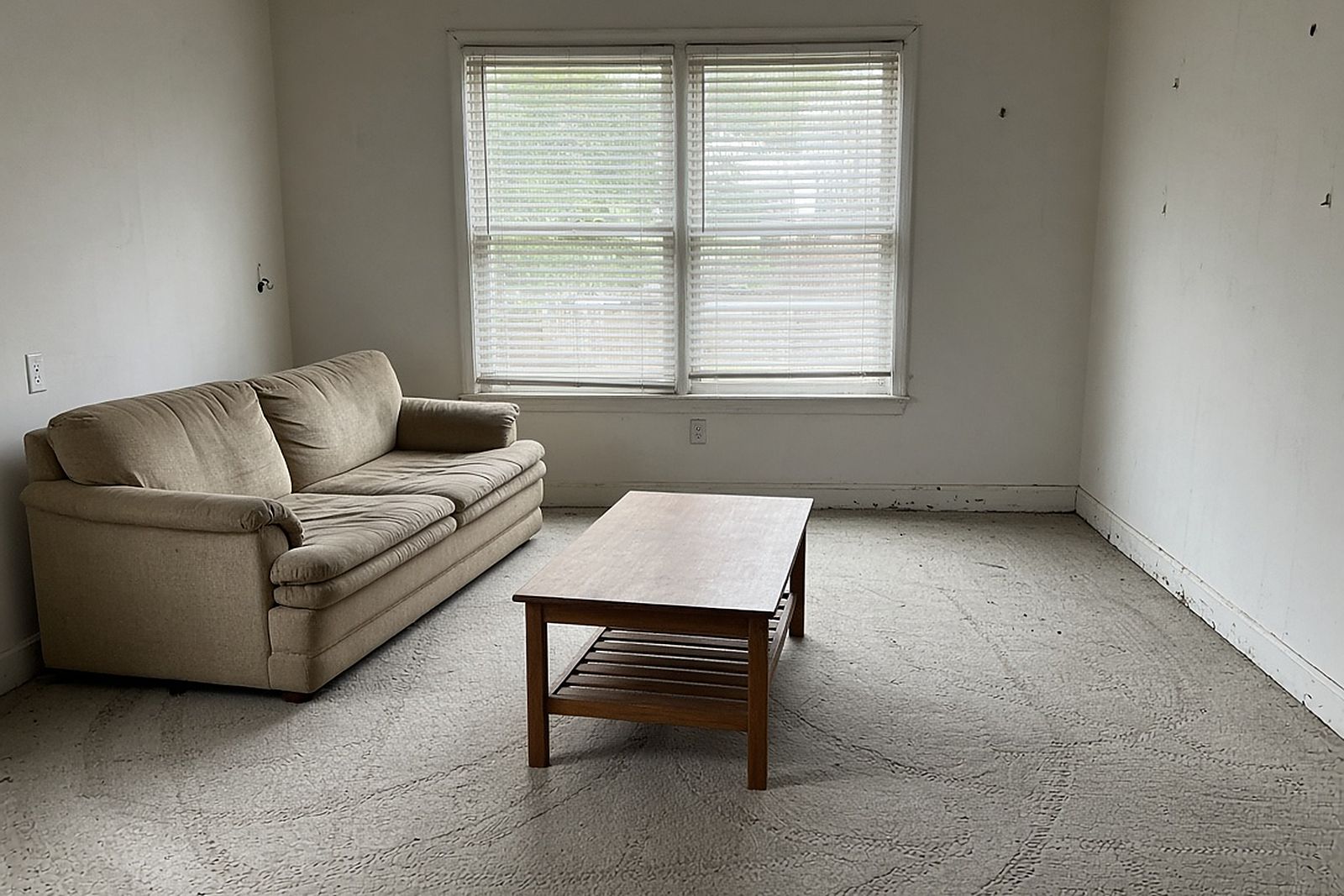
What to verify locally
- Which city office sent any hoarding-related notice on the property. Ask whether that office will accept a written cleanup plan instead of a single inspection deadline.
- Whether your local dump site accepts soiled pet bedding, spoiled food, and bulk household trash together, or needs them to arrive apart.
- How sharps found in the home must be containerized and where they can be dropped off or picked up in your county.
- Whether your building's rules limit where a dumpster can go, when the elevator can be used, or the hours for carrying bags through shared halls and parking areas.
- Whether adult protective services or animal control already has an open case. That way, the cleanup plan does not clash with their instructions or visits.
- Which charities near you will take donated furniture, clothes, or books from a home with pest or odor problems, and what condition they require.
National figures for context
These are national or research figures, not data for any one city.
- 0.85%
A meta-analysis of 85,681 English households over 13 years estimated the point prevalence of domestic squalor at 0.85%, with rentals and lower-income homes at higher risk.
Read with care: Squalor overlaps with but is not identical to hoarding disorder; UK data.
Source: BMC Public Health (2024)English Housing Survey data
- +20% per 5 years
In a Dutch population study of 15,194 twins and relatives, provisional hoarding disorder prevalence was 2.12% and rose about 20% with every 5 years of age.
Read with care: Self-report screening, not clinical diagnosis.
Source: American Journal of Geriatric Psychiatry (Cath et al.) (2017)Netherlands Twin Register, ages 15–97
- 250,000 animals/year
The Animal Legal Defense Fund estimates up to 250,000 animals per year are victims of hoarding and that 72% of animal hoarders are women.
Read with care: Advocacy-organization estimate without a published methodology.
Source: Animal Legal Defense Fund (2018)United States estimate
These figures are public research and agency data, not this network's own job records. Keep each number with its population, year and limits; none of them predicts cost, timing or outcome at a specific property.
Local questions about hoarding scene cleanup
Does the city get involved when a hoarded home is reported?
It can, depending on how your city handles property complaints. Some places send hoarding concerns to code enforcement and others to the health department. A few have a task force of several agencies that includes social services and fire prevention. It usually starts with an inspection and a written notice. If you are unsure which path your city uses, call the non-emergency line or the housing department. Ask who responds to clutter and sanitation complaints at a home.
Can a code enforcement deadline be extended while the occupant sorts belongings?
Many inspectors are open to a plan done in stages when they see steady progress and a clear schedule. But the answer depends on the local law and the officer handling the case. Ask the inspector directly whether a written plan from the cleanup provider would be considered. Keep copies of every message. Send progress photos of cleared exits and walkways. Ask for any extension in writing so there is no confusion about the new date.
Is a hauling or junk removal license enough for a hoarding cleanup in my area?
Hauling permits usually cover normal debris. They do not cover the needles, animal waste, or soiled materials that often turn up under clutter. Whether a separate registration is needed to haul those items varies by state and sometimes by county. Ask the provider how they handle regulated finds and who hauls them. If the answer is that everything goes in one dumpster, the company may not be ready for what a hoarded home can hold.
Who do I contact if there are too many animals in the home for the owner to care for?
Start with your local animal control agency or the humane society that handles animal services for your area. They can explain whether a welfare check, giving up the animals by choice, or a vet exam makes sense. Tell the cleanup provider about the animals early. Their presence affects protective gear, waste handling, and the order of work. Planning the two efforts together helps make sure pets are safely cared for before sorting reaches the rooms where they live.
How does a multi-unit building change a hoarding cleanup?
Shared buildings bring more people into the process. Property managers may set quiet hours, require elevator pads, limit where a dumpster can go, and ask for proof of insurance before work begins. Neighbors may worry about pests moving between units. That can lead managers to ask for pest treatment in several units at once. Privacy is also harder to protect. So ask the provider how they label bags, move carts, and schedule removal to keep the building's attention off the person.
What if the occupant lives in one county but the family managing the cleanup lives elsewhere?
Local rules follow the property, not the family. The health department, code office, and dump sites that matter are the ones serving the home's address. Family who live far away can still help. They can gather every notice, confirm the case contact, and ask the provider for regular photo updates. They can also ask for written summaries of Keep and Discard choices. If a relative holds power of attorney, share a copy with the provider so consent questions do not stall the work.
Do rural areas handle hoarding cleanup differently from cities?
Rural properties often have fewer disposal options and longer drives to an approved landfill. They may also have sheds, barns, or vehicles full of stored items. Wells and septic systems may need attention if waste or spoiled material was dumped near them. Oversight can be lighter, so more of the checking falls on you. Ask the provider how far they travel for regulated disposal. Ask whether outbuildings are part of their written scope or priced apart.
More on hoarding scene cleanup

Hoarding Scene Cleanup services
Learn how a first look at the home, sorting with consent, biohazard handling, and deep cleaning fit together in a step-by-step plan.

Costs explained
What drives the price, published cost ranges, and how to read a written quote line by line.
Insurance and payment
Which policies may respond, how to document a claim, and what to do if coverage is denied.
Planning tools
Use planners made for families and caseworkers. Sort out costs, questions for providers, insurance steps, first-day actions, waste types, and DIY risk.
Community polls
See how relatives, landlords, people who hoard, and professionals think about consent, pace, and agency help. Compare your own gut feelings with theirs.
Knowledge quiz
Check what you know about hidden hazards, who can decide, dust control, cleaning and killing germs, waste, and records before you start to help.
Articles and resources
Read about helping a loved one, working with adult protective services, what landlords must do, and lessons from cleanups done in stages in real homes.